「Medical Advertisement Review No. 260109-중-205658 by the Medical Advertising Review Committee of the Korean Medical Association」
Seborrheic dermatitis-related hair loss is often seen as a simple problem of itching or dandruff, but in reality it is a chronic disease in which excessive sebum secretion and repeated minor inflammation occur on the scalp.
As the fungus that grows in sebum (Malassezia) triggers inflammation,
the scalp becomes damaged, and in severe cases, if the inflammation spreads around the hair follicles, it can weaken the hair roots and
lead to hair loss.
What are the main symptoms of seborrheic dermatitis?
-
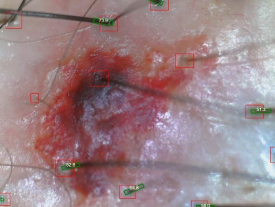
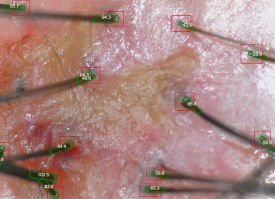
Itchy, red scalp
-
Excessive dandruff or dead skin flakes
-
Pimples and scabs
-
Warmth and pain in specific areas
-
A feeling that hair falls out easily
In particular, when inflammation repeats, the hair follicles gradually weaken, so if left untreated for a long time,
the rate of hair loss progression may increase.
However, hair loss does not necessarily occur in every patient with seborrheic dermatitis-related hair loss, and it varies depending on the severity of the inflammation and management habits.
What causes seborrheic dermatitis?
Excess sebum secretion – When sebum increases due to genetic factors, stress, hormonal changes, and so on, it creates an environment where fungi can easily grow.
Malassezia overgrowth – It normally exists on the skin, but
when it increases excessively, it causes inflammation.
Skin damage – Excessive cleansing, frequent dyeing and blow-drying, and other factors can
weaken the scalp, causing repeated inflammation.
Lifestyle factors – Lack of sleep, drinking, and an unbalanced diet also
worsen symptoms.
Treatment and management of seborrheic dermatitis
Seborrheic dermatitis is a chronic, recurrent inflammatory disease that mainly appears in areas with many sebaceous glands.
An imbalance in sebum secretion and skin microorganisms, along with external factors such as stress or seasonal changes, causes symptoms to recur.
Therefore, consistent control and management are more important than a cure.
When inflammation is severe, use a medicated shampoo or topical product containing antifungal ingredients, and
if necessary, combine it with treatment to relieve inflammation.
After symptoms subside, regular care to maintain the scalp environment and
correction of lifestyle habits are important.
-
Fully dry the scalp after shampooing: Remaining moisture helps fungi multiply.
-
Avoid wearing hats (helmets) for long periods: Increased scalp temperature and humidity promote bacterial growth.
-
Maintain regular sleep and nutrition: This helps reduce recurrence.
What is the medical hair-loss management method for scalp inflammation at New Hair Hair Transplant Clinic?
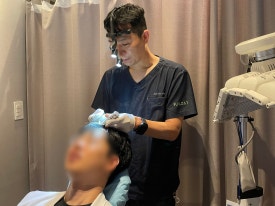
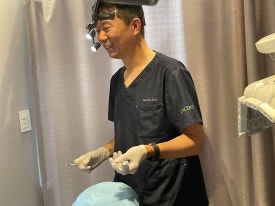
At New Hair Hair Transplant Clinic, when hair loss accompanies scalp inflammation,
the goal is not simply to suppress inflammation, but also to restore the scalp and improve the follicle environment.
Through a treatment-centered approach that helps the weakened scalp recover after inflammation, it is important to help the scalp regain
its own function.
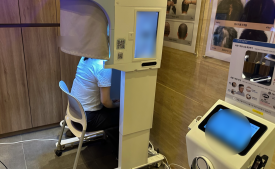
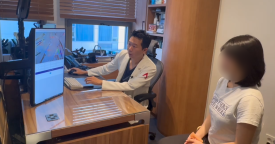
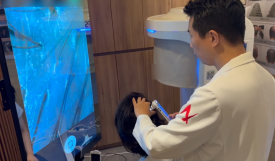
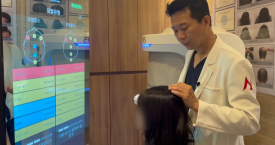
Mesotherapy helps restore scalp tissue damaged by inflammation,
and through scalp inflammation and hair loss diagnosis, the degree of inflammation and the health of the hair follicles are periodically
checked, based on which a customized management plan suited to each person’s skin characteristics is established.
The treatment progress can also be continuously monitored with objective indicators.
Everyday care is an extension of treatment
Seborrheic dermatitis is likely to flare up again depending on your condition, such as when the weather changes or when you are under a lot of stress.
That is why it is important to keep the scalp clean even after treatment ends.
In the end, a good way to manage seborrheic dermatitis-related hair loss is not short-term treatment, but steady self-care and maintaining balance in the scalp environment.
The effectiveness of this review approval applies only to this page.