「Medical Advertising Review Committee of the Korean Medical Association, Review No. 251230-중-204802」
In midlife, hormones, follicle function, and the scalp environment all change at the same time,
so the thickness, density, and amount of hair shedding may feel different from before.
This is the point when it becomes hard to tell whether it is just temporary shedding or whether treatment should begin,
and at times like this, the most important thing is to understand the speed of change and the cause.
Female midlife hair loss: changes before and after menopause are important
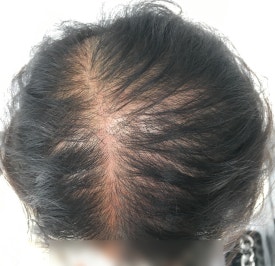
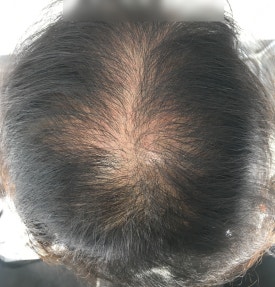
Female midlife hair loss
In women, after menopause, estrogen decreases and the relative influence of androgens
increases, making genetically vulnerable areas easier to reveal.
For female midlife hair loss, check whether the following symptoms appear.
-
Whether a diffuse pattern centered on the crown appears
-
Whether the hair noticeably changes into a finer hair type
-
Whether there are any changes in scalp condition, such as dryness, flushing, or inflammation
-
Whether there have been recent changes in weight, sleep, or stress
Especially in the 1 to 5 years right after menopause, changes can progress quickly, so early identification is important.
Male midlife hair loss: analyzing the progression period and pattern is important
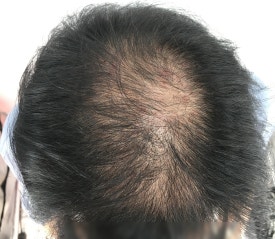
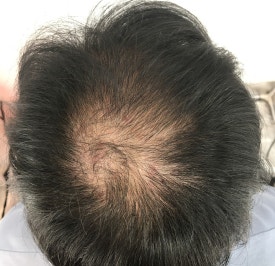
Male midlife hair loss
For men, around age 40 usually serves as a turning point.
From this time onward, a decrease in hair thickness is often observed in earnest in the M-shaped hairline and crown areas.
The following are the points to check for male midlife hair loss.
-
Whether there is a family history
-
Whether the progression speed has increased over the past 1 to 2 years
-
Whether there are changes in scalp condition such as increased sebum or inflammation
Because the approach differs depending on the progression period and follicular reserve, a structurally organized assessment process is needed early on.
What are the common decision criteria regardless of sex?
- Is the rate of change fast?
Whether the change is sudden or has progressed gradually makes a difference in the management direction.
- What is the current condition of the follicles and scalp?
By evaluating follicle density, thickness, whether there is scalp inflammation, and sebum patterns, it becomes possible to judge specifically what kind of approach is needed.
What should you check first when considering hair loss treatment?
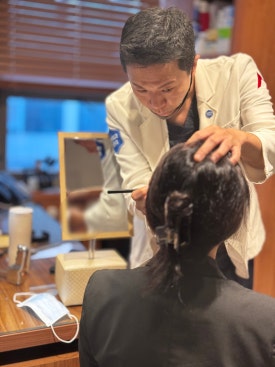

For midlife hair loss treatment, it is far more important to receive an accurate diagnosis of your current condition than to focus on which treatment is best.
-
Whether the change started recently
-
Whether the rate of thinning is fast
-
Whether a specific area (crown, M-shaped hairline) is changing first
-
Whether the scalp condition is stable
Once you know several of these factors, it becomes easier to judge which treatment direction is reasonable.
The diagnostic and management approach for midlife hair loss at New Hair Hair Transplant Clinic
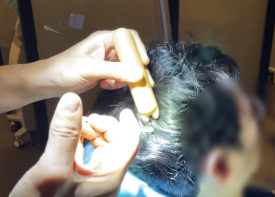
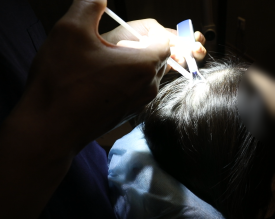
At New Hair Hair Transplant Clinic, before planning a treatment direction, a method is used that comprehensively analyzes and diagnoses the scalp, hair loss, and lifestyle factors.
Rather than emphasizing a specific procedure or effect, the clinic provides information suited to the patient’s condition.
- Scalp and hair loss diagnosis
Analysis of density, thickness, inflammation, sebum patterns, and more
Check whether the hair loss pattern is centered on the crown or the front hairline
- Customized management direction by condition
Whether thickness improvement is needed
Whether scalp stabilization should come first
Lifestyle adjustment
- Personalized treatment plan
Set the desired direction of change
Follicular injection ingredient composition
Treatment intervals and duration
Device-based treatment
The selection criteria for each device-based treatment and follicular injection ingredient differ depending on the patient’s condition,
and the clinic guides each person to the most suitable combination based on the diagnostic results.
Hair loss changes in midlife are not simply the result of aging, but the result of overlapping hormones, follicle function, scalp environment, and lifestyle factors.
For women, changes can become more noticeable before and after menopause, and for men, around age 40, so the top priority is to accurately understand the current rate of change and scalp condition.
If needed, it may help to check your condition and gradually determine which approach is right for you.
The validity of this review approval is limited to this page.