One of the most common questions in hair loss clinics is, “Do follicular injections actually work?”
When people are already taking hair loss medication regularly but the changes are slow, or when they are hesitant to use medication, many become interested in follicular injections.
In this article, I will organize the research evidence and clinical experience around the questions patients ask most often.
What Are the Effects and Side Effects of Follicular Injections? Summary
| Follicular injections are not a treatment that replaces hair loss medication; they are a treatment that improves the environment in which hair follicles can respond. |
|---|
| PRP, topical dutasteride, PDRN/PN, and exosomes each have research evidence for improving hair thickness, density, and reducing shedding. |
| When used together with drug therapy, the effect tends to increase. |
| In some patients, meaningful improvement is also observed with follicular injections alone. |
| The key effect is not the creation of new hair, but the reactivation of existing hair follicles. |
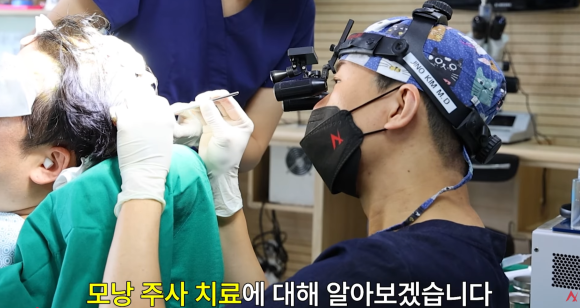
Q1. Can follicular injections replace hair loss medication?
The answer is no.
The basic treatments for androgenetic alopecia are still finasteride, dutasteride, and minoxidil.
However, if you look at why the same medication produces different responses, the microenvironment around the hair follicle makes a big difference.
In a scalp with reduced blood flow or high inflammation and oxidative stress, the response becomes weaker even when growth signals are present.
Follicular injections are a treatment that improves this environment and creates conditions that allow the medication to work properly.
Q2. Do PRP follicular injections actually work?
PRP is the most extensively studied treatment among follicular injections.
Recent meta-analyses have repeatedly reported that PRP tends to improve hair density and thickness when compared with minoxidil or when used in combination with it¹².
In particular, the effect on improving thickness is notable in androgenetic alopecia with many thinned hairs².
In clinical practice, we often see responses such as “the amount of shedding decreases first, and then the hair gains strength.”
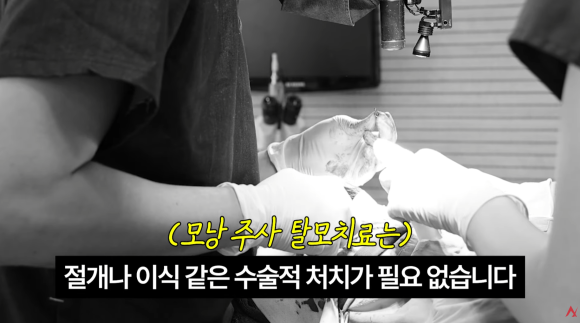
Q3. Can hair loss improve with follicular injections alone?
There are definitely cases where this is possible.
Even in patient groups who have not yet started medication or who have difficulty taking medication, reports show that PRP and PDRN/PN alone can improve hair thickness and density⁵⁸.
However, in these cases, the degree of effect and how long it lasts vary greatly from person to person.
So it is more realistic to describe monotherapy as an early intervention or an adjunct strategy rather than a complete replacement.
Q4. Is topical dutasteride injection safer than oral medication?
According to a recent meta-analysis, intralesional dutasteride showed a tendency to improve hair density and thickness even in patients who had not used oral medication⁴.
Because systemic exposure is lower, it can be considered a strategy with a relatively lower burden of side effects.
In particular, it may be an option for patients who are hesitant to take medication.
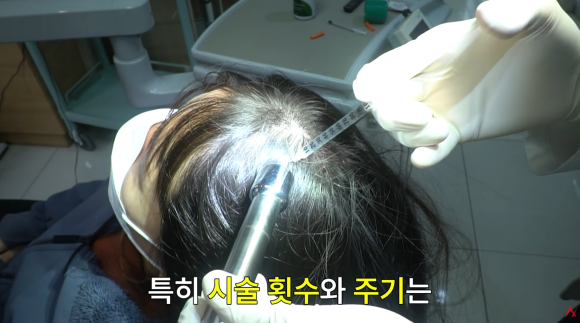
Q5. In what cases can PDRN, PN, and exosomes be helpful?
PDRN/PN-based treatments are based on tissue regeneration, anti-inflammatory effects, and angiogenesis mechanisms⁵⁸.
They tend to provide high perceived satisfaction when combined in cases of inflammatory scalp conditions, the recovery period after procedures, or when the response to medication is weak.
In preclinical and human studies, exosomes and EVs have been reported to promote the transition from the telogen phase to the anagen phase and to increase hair count and thickness⁶⁷.
Although standardization is not yet fully established, they can be viewed as an expanded strategy for improving the microenvironment.
Q6. What role do follicular injections ultimately play?
The key is microenvironmental engineering, meaning adjusting the balance of blood flow, inflammation, growth signals, and oxidative stress so that hair follicles can work again.
They are not a treatment that creates new hair follicles, but they do have the power to return existing follicles to the growth phase.
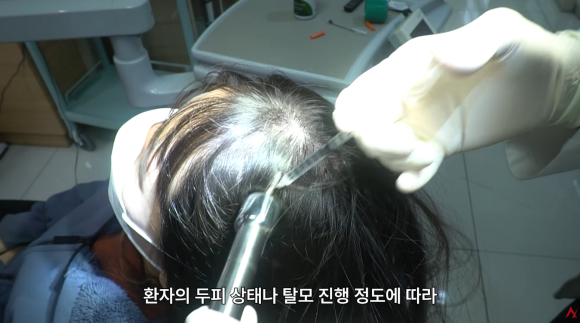
The question is not whether follicular injections work or not, but where they are placed.
When added on top of basic treatment, they can raise the quality of hair loss treatment to the next level,
and even in situations where medication cannot be used, they create a realistic possibility for improvement.
In the end, the decisive factor in hair loss treatment is the scalp microenvironment, and one of the most practical tools for adjusting that environment is follicular injections.
Now it is time for hairhair, Kim Jino.
The creation of new hair is the ultimate destiny (必生新毛).
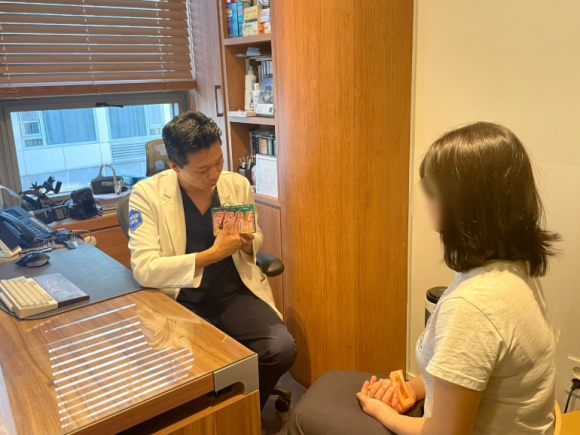
Written by: Kim Jino of New Hair Plastic Surgery (Public Relations Director, Korean Association of Plastic Surgeons / Academic Director, Korean Society of Laser Dermatology and Hair)
References
-
Umar, M. et al. (2025) ‘Comparative Efficacy and Safety of Platelet Rich Plasma (PRP) versus Topical Minoxidil for Androgenetic Alopecia: A Systematic Review and Meta-analysis’, Aesthetic Plastic Surgery. doi:10.1007/s00266-025-05394-7. cited:"This systematic review and meta-analysis aims to compare and evaluate the effectiveness and safety profiles of PRP versus topical minoxidil."
-
Kieling, L. et al. (2024) ‘Is autologous platelet-rich plasma capable of increasing hair density in androgenetic alopecia?’, Anais Brasileiros de Dermatologia. cited:"Highly heterogeneous studies with publication bias suggest PRP effectively increases hair density in AGA."
-
Kaiser, M.A. et al. (2023) ‘Platelet Rich Plasma Combination Therapies for Treatment of Androgenetic Alopecia’, Cureus. cited:"A variety of studies demonstrated superior treatment response with a combination of PRP and minoxidil therapy in patients with AGA."
-
Almeziny, A. et al. (2025) ‘Effectiveness and Safety of Intralesional Dutasteride in Patients With Androgenic Alopecia: A Systematic Review and Meta-Analysis’, Dermatologic Therapy. cited:"Included studies consistently reported improvements in hair density and thickness following intralesional dutasteride treatment."
-
Lee, S.H. et al. (2015) ‘Therapeutic efficacy of autologous platelet-rich plasma and polydeoxyribonucleotide on female pattern hair loss’, Wound Repair and Regeneration. cited:"In conclusion, intra-perifollicular injections of autologous PRP and/or PDRN generate improvements in hair thickness and density in FPHL patients."
-
Ersan, M. et al. (2024) ‘Effectiveness of Exosome Treatment in Androgenetic Alopecia: Outcomes of a Prospective Study’, PMC. cited:"Exosomes stimulated hair follicle proliferation, accelerated the transition from the telogen to the anagen phase."
-
Oh, H.G. et al. (2024) ‘Improvement of androgenic alopecia by extracellular vesicles from hyaluronic acid-stimulated iMSCs’, Scientific Reports. cited:"We examined whether hyaluronic acid stimulation of iMSCs could produce EVs with enhanced therapeutic outcomes for AGA."
Related article