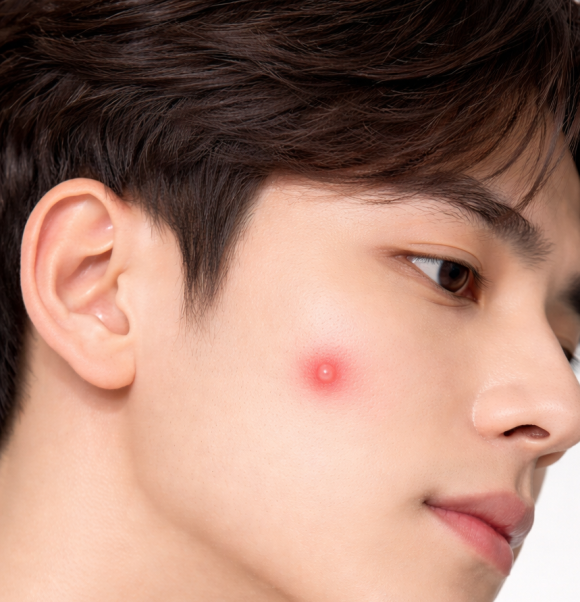
Can I Take Hair Loss Medication With Acne Medication? (Isotretinoin Ingredient)
Many people ask whether it is okay to take these medications together, especially when mentioning products like Roaccutane and Isotinoin.
If you have only recently started hair loss treatment, or if you are also receiving acne treatment at the same time, it is natural to worry even more.
Aren’t both of these drugs affecting hormones or sebum?
Will it be hard on the liver?”
Questions like these are also common.
To get straight to the point, in most cases, hair loss medication and acne medication can be taken together. However, there are a few important precautions you should definitely know about.
The main ingredient in Roaccutane and Isotinoin, which are commonly used for acne treatment, is isotretinoin.
It is a medication that strongly reduces sebum production and treats severe acne.
Hair loss medications are broadly divided into two types.
Among these, the part people worry about most is whether oral hair loss medication and isotretinoin can be taken together.
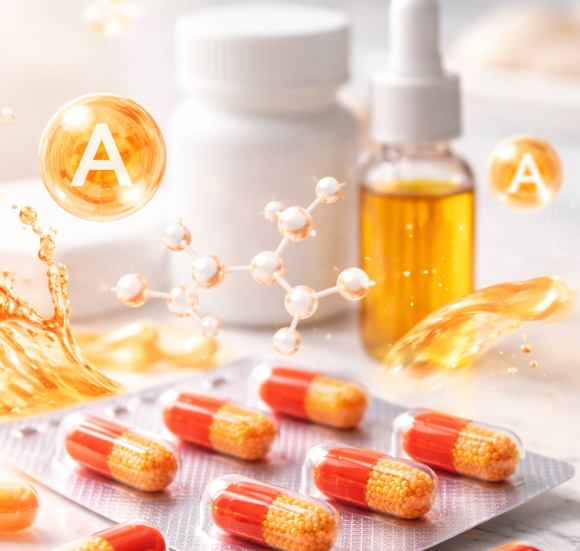
Are drug interactions okay?
Based on the medical evidence known so far, finasteride or dutasteride have almost no direct drug interactions with isotretinoin.
In other words, it is rare for the ingredients to reduce each other’s effects or cause dangerous reactions.
Topical minoxidil has almost no systemic absorption, so using it together with acne medication is not a major problem.
Why is caution still needed?
Liver burden
Isotretinoin is a medication that can raise liver enzyme levels (AST, ALT).
Oral hair loss medication is also metabolized in the liver.
Taking the two together does not automatically cause liver problems, but it is safer to check liver function tests regularly. This is especially important if you drink alcohol often.
Skin and scalp dryness
Isotretinoin strongly suppresses sebum.
So
-
dry lips
-
nosebleeds
-
cracked skin
-
dry scalp
symptoms like these may appear.
If you use minoxidil on top of that, scalp irritation or flaking may become more severe.
In such cases, rather than stopping the medication, the issue is often managed with moisturizing care, adjusting the amount used, or changing the formulation (such as a foam type).
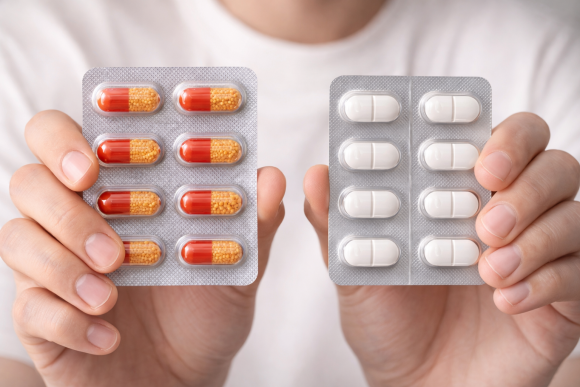
Feeling like hair loss is getting worse?
When taking isotretinoin, some people may temporarily feel that their hair becomes thinner or falls out more.
This is thought to be because the medication affects the hair follicle growth cycle.
However, in most cases, this is a temporary phenomenon that improves after stopping the medication.
There is currently insufficient evidence that taking hair loss medication together makes it specifically worse.
Women are a little different
Isotretinoin must never be taken during pregnancy.
Among hair loss medications, finasteride and dutasteride also have restrictions for women, especially if they are planning to become pregnant.
Therefore, women of childbearing age should decide whether to take them only after consulting a specialist.
In most cases, acne medications in the isotretinoin class, such as Roaccutane and Isotinoin, can be taken together with hair loss medication. Serious drug interactions are rare.
However,
-
regular liver function tests
-
managing scalp dryness
-
avoiding excessive alcohol consumption
-
for women, confirming pregnancy plans
These four things are essential to remember.
Taking medications at the same time is not automatically dangerous.
The important question is not, “Can I take them together?” but rather, “Is it safe for my body right now?”
If you are just starting the medication or adjusting the dose, it is safest to consult the doctor in charge before beginning.