「Medical advertisement review passed by the Medical Advertising Review Committee of the Korean Medical Association No. 251223-중-204451」
It is natural to feel concerned when hair becomes thinner or the hairline gradually recedes.
However, not all hair loss has the same cause.
The causes are very diverse, including genetic factors, hormonal changes, stress, lifestyle habits, and nutritional status, and the type of hair loss and the direction of management also vary accordingly.
Therefore, it is important to first understand what form your hair loss is taking.
Hair loss types are divided like this
| Category | Main features |
|---|
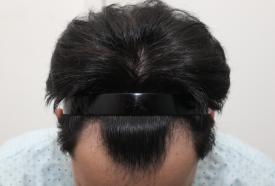
| Male pattern hair loss | Progresses in an M-shaped pattern or around the crown |
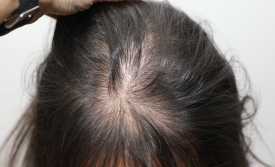
| Female pattern hair loss | Thinning centered on the crown with diffuse spread |
| Alopecia areata | Localized, coin-shaped hair loss |
| Telogen effluvium | Overall shedding due to stress, illness, lack of sleep, etc. |
As you can see, the form of hair loss varies depending on the cause and lifestyle pattern, so it is necessary to identify the type and choose the appropriate management method.
What is the process of checking the hair loss type?
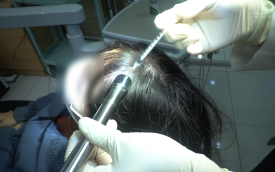
To more objectively understand the condition of the scalp and hair, we perform diagnosis using equipment.
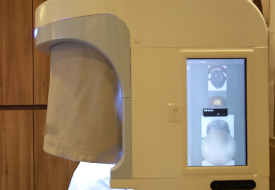
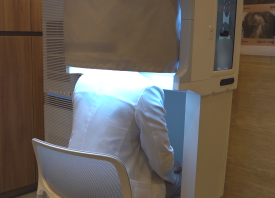
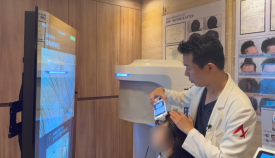
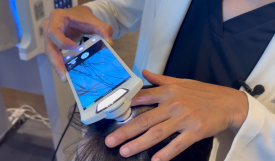
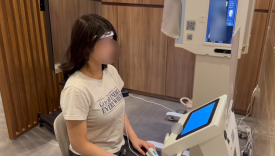
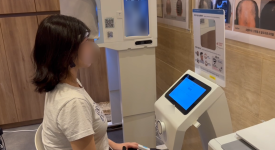
Scalp and hair loss photography: photographing the entire head from various angles to compare and record changes over time
Scalp examination using a microscope (hair loss diagnosis): analyzing follicle density, hair thickness, and scalp condition
Such diagnosis is not simply for making a diagnosis, but is used as reference data to objectively confirm the current condition and establish a management plan.
Management direction by hair loss type
The approach differs depending on the type of hair loss.
For hair loss, lifestyle habits, scalp cleanliness, and nutritional care are important, and when stress or sleep patterns are influencing it, mental stability and restoring a healthy sleep rhythm may be helpful.
Based on an accurate analysis of the cause, it is important to build habits of continuous monitoring and care in order to slow the progression of hair loss and maintain hair health.
Diagnosis and management at New Hair Plastic Surgery Clinic
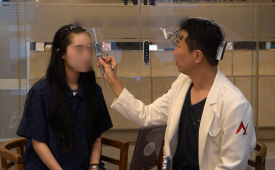
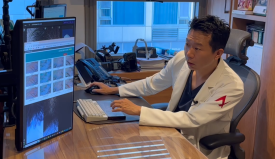
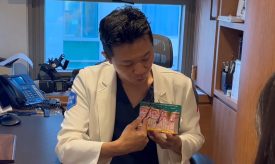
New Hair Plastic Surgery Clinic does not view the cause of hair loss as a single factor.
In addition to genetic factors, it considers multiple causes together, such as the scalp environment, lifestyle habits, hormones, and stress, and operates an analytical diagnosis system tailored to each individual’s scalp and hair characteristics.
The clinic records the condition of the scalp and quantitatively analyzes follicle status under a microscope.
The data collected in this way is used not simply for comparing photos, but for visually tracking changes in the hair and scalp over time.
Through this, you can understand your own condition and discuss with the medical staff what direction of management is needed going forward.
New Hair Plastic Surgery Clinic pursues a systematic hair loss management process that leads from individual scalp and hair loss analysis to customized care and long-term monitoring.
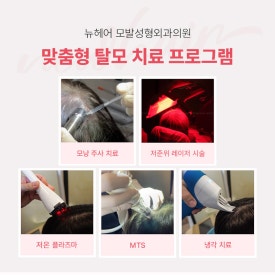
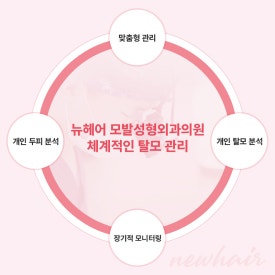
Hair loss becomes difficult to manage when approached without understanding the cause.
If you know the type of hair loss and manage your lifestyle habits together, your hair can maintain its health for longer.
If you want to see changes in your hair objectively, please use examination equipment analysis to determine the direction of care.
The effect of this review approval is limited to this page