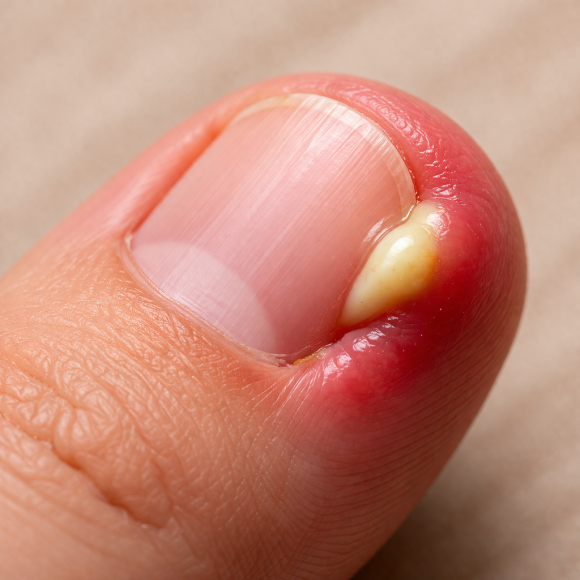
Why You Shouldn’t Pull Off Hangnails
The small pieces of skin that form around the nails, commonly called “hangnails,” are something most people have experienced at least once.
Because they are annoying to look at and keep catching your attention, people often absentmindedly pull them off with their fingers.
This happens more often, especially during dry seasons or for people who wash their hands frequently.
But did you know that this small habit can lead to bigger problems than you might expect?
Since simply pulling off a hangnail can lead to inflammation or pain, it is important to know the proper way to care for it.
Why do hangnails appear?
Hangnails form when the skin around the nails becomes dry and cracks or lifts.
They occur more easily when you wash your hands often, use alcohol-based sanitizer frequently, or when the weather is dry.
Nail-biting habits or nutritional imbalance can also have an effect.
In other words, when weakened skin is exposed to external irritation, hangnails are more likely to develop.
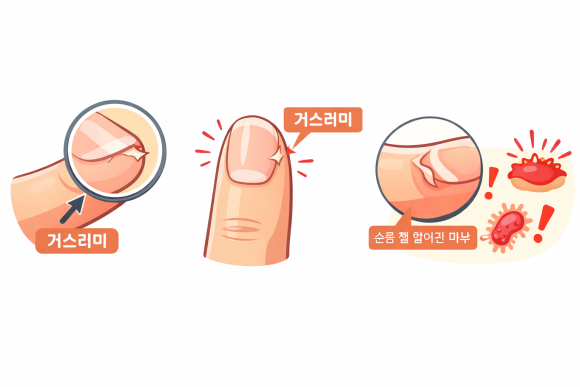
Why shouldn’t you pull them off?
If you grab a hangnail and pull it off by hand, it is not just the protruding piece that comes away; the surrounding healthy skin can also be damaged.
During this process, the skin tears and tiny wounds form, and if bacteria enter through these openings, inflammation can occur.
Hands are especially prone to exposure to bacteria because they touch many different objects in daily life.
As a result, the skin around the nail may swell, turn red, and in severe cases, develop pus and lead to paronychia.
If this condition worsens, the pain can become severe and medical treatment may be needed.
Problems caused by repeated bad habits
If the habit of repeatedly pulling off hangnails continues, the skin around the nails becomes increasingly weakened, and hangnails keep appearing in a vicious cycle.
In addition, as wounds keep forming, the skin may thicken or change color.
From a cosmetic standpoint, your hands may look rough and give an unkempt impression.
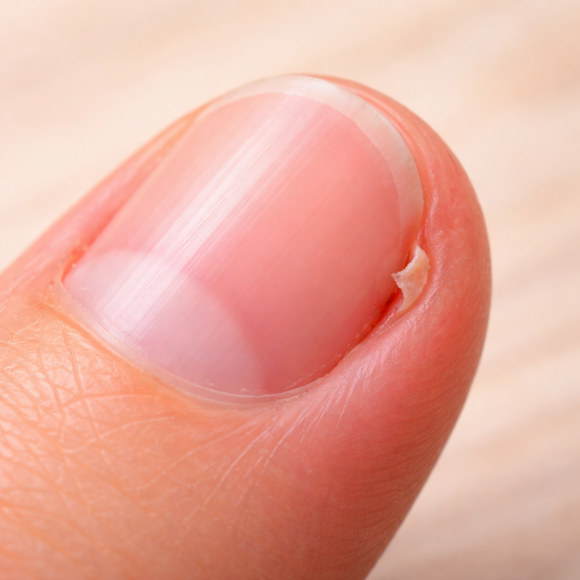
What is the proper way to care for them?
When a hangnail appears, you should never pull it off with your hands; instead, it is better to cleanly trim it with sanitized nail clippers or nippers.
At this time, the tool must be properly sterilized, and care should be taken not to cut too deeply.
It is also most important to keep your hands moisturized regularly.
Applying hand cream or cuticle oil frequently can soften the skin and help reduce hangnails.
If you are in an environment where you use a lot of water, wearing gloves can also help.
Hangnails may look small and minor, but improper care can cause inflammation and pain.
The habit of pulling them off carelessly can actually make the situation worse, so it should definitely be avoided. Instead, the best approach is to trim them with clean tools and prevent them with consistent moisturizing.
Since a single small habit can affect the health of your hands, from today onward, instead of pulling hangnails off carelessly, try caring for them properly.