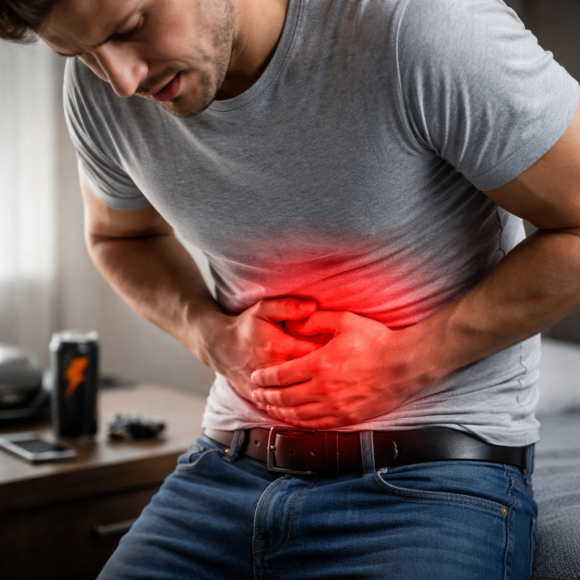
Lower abdominal pain in men: Could it be kidney stones or urinary stones?
Sudden lower abdominal pain in men is easy to dismiss as a simple digestive issue, but in some cases, it may be a sign of kidney stones or urinary stones.
�A0
In particular, there have been stories that the risk of stones has increased as lifestyle habits involving frequent consumption of energy drinks have become more common amid busy daily routines.
�A0
Even if the pain is not severe, it is important to understand the cause properly and respond accordingly.
What is the difference between kidney stones and urinary stones?
Kidney stones literally refer to a state in which hard, stone-like crystals form inside the kidney.
�A0
When these stones move into the ureter (the pathway through which urine flows downward), they are called urinary stones.
�A0
Simply put,
�A0
�A0
Pain occurs during this process.
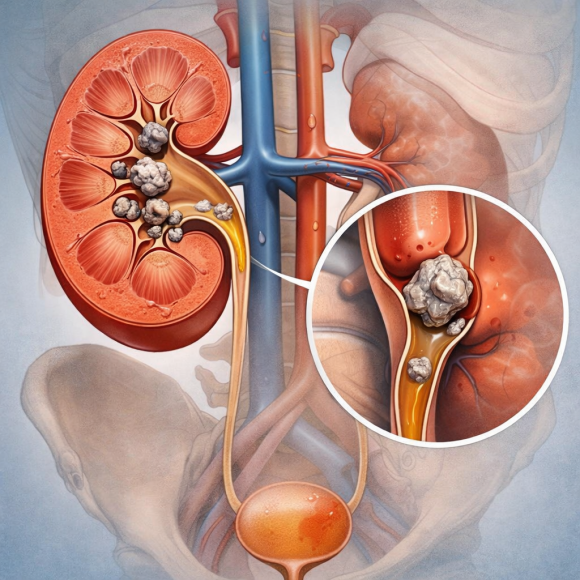
Lower abdominal pain in men: What are the characteristics when it is a stone?
Pain caused by urinary stones is a little different from ordinary abdominal pain.
�A0
Typical characteristics include:
�A0
-
Sudden, intense pain
-
Migrating pain that moves from the flank → lower abdomen → groin
-
A feeling of continuous pain even when lying still
-
Pain when urinating or blood in the urine
�A0
In men in particular, the pain may feel as if it spreads to the lower abdomen or testicles, which can be even more confusing.
�A0
If you have this kind of pain, you should suspect the possibility of stones rather than simple abdominal pain.
Why do stones form?
Stones form when substances that should be dissolved in urine clump together.
�A0
The main causes are:
�A0
-
Insufficient water intake
-
Excessive intake of salty foods
-
Excessive protein intake
-
Too much caffeine and sugar
-
Lack of exercise
�A0
Among these, the most important factor is not drinking enough water.
�A0
This is because the more concentrated the urine becomes, the easier it is for stones to form.
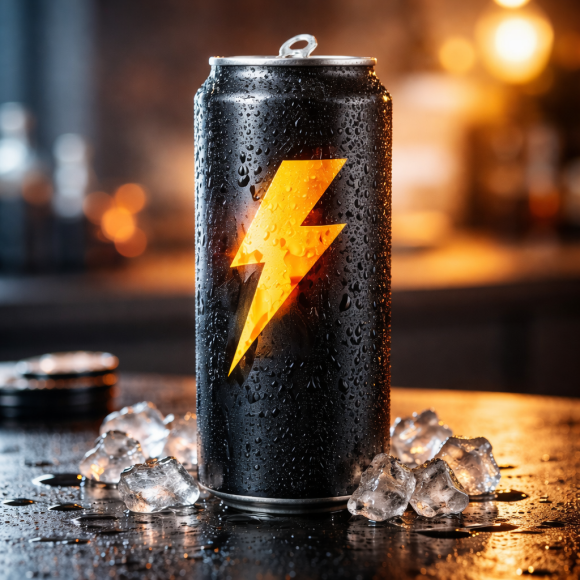
Are energy drinks related to stones?
To put it simply, they are not a direct cause, but they are a factor that increases the risk.
�A0
Energy drinks are high in caffeine, contain a lot of sugar, and are relatively less effective for hydration.
�A0
As a result,
�A0
The urine becomes more concentrated, creating an environment where substances such as calcium and uric acid can clump together more easily.
�A0
In other words, if you frequently drink energy drinks while not getting enough water,
→ the likelihood of stones may increase.
�A0
In particular, the habit of choosing energy drinks instead of water after exercise or when feeling tired requires caution.
How can you prevent it?
The key to prevention is simpler than you might think.
�A0
In particular, “drinking water before you feel thirsty” is important.
�A0
If you have already experienced stones, the risk of recurrence is high, so managing your lifestyle habits becomes even more important.
�A0
Lower abdominal pain in men is easy to dismiss as a minor issue, but sometimes it can be a sign of kidney stones or urinary stones.
�A0
In particular, a lifestyle centered on energy drinks and insufficient fluid intake are important factors that increase the risk of stone formation.
�A0
If the pain keeps coming back or becomes severe, you must visit a hospital and get an accurate diagnosis. In everyday life, the most effective way to prevent it is to drink enough water and improve your lifestyle habits.
�A0
One small habit can prevent surprisingly severe pain.