「Reviewed by the Medical Advertising Review Committee of the Korean Medical Association No. 251125-중-202559」
- Genetic background
Hereditary hair loss is closely related to the androgen receptor gene.
This gene determines how sensitive hair follicles are to male hormones, especially dihydrotestosterone (DHT).
The more sensitively hair follicles respond to DHT, the more the hair gradually becomes thinner and the growth phase shortens, leading to hair loss.
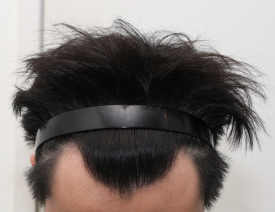
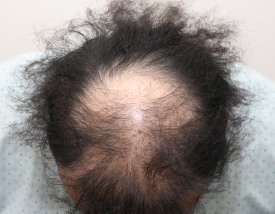
It typically appears in the frontal forehead area (an M-shaped pattern) and at the crown, while the side and back hair are relatively preserved.
Hair loss is not determined by a single gene; it takes the form of polygenic inheritance, in which multiple genes act together.
It can be influenced by both parents.
- Importance of early diagnosis
Early detection of hereditary hair loss has an important impact on treatment outcomes.
This is because intervention before the hair follicles are completely lost can lead to greater treatment effects.
-
Hair gradually becomes thinner
-
The number of hairs lost each day increases
-
The scalp becomes clearly visible in the crown or frontal forehead area
These can be considered early signs.
- Standard drug treatment
Prescriptions for finasteride and dutasteride
As 5-alpha reductase inhibitors, they suppress the process of converting testosterone into DHT.
As a result, the concentration of DHT in the blood and scalp is lowered, which may help slow the rate of hair loss.
- Combination and other treatments
Hair loss treatment may involve not only medication but also various approaches depending on the situation.
Hair transplant surgery: For areas where hair follicles have already been lost, transplanting hair may be an alternative.
Combination treatment: Based on drug treatment, follicle injection therapy, laser treatment, and others may also be combined.
Lifestyle management: Stress, lack of sleep, smoking, and nutritional deficiency can accelerate hair loss progression, so improvement is recommended.
- New Hair Hair Transplant Clinic’s personalized approach
Hair loss treatment is not applied in the same way to everyone.
Because each person has different genetic background, lifestyle habits, and prior treatment experience, an accurate diagnosis and personalized approach are necessary.
At New Hair Hair Transplant Clinic, hair loss diagnosis is used to objectively assess the condition of the scalp and hair follicles.
After that, various treatment methods are discussed according to the test results.
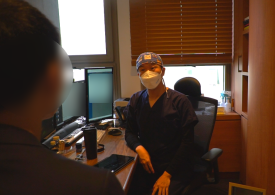
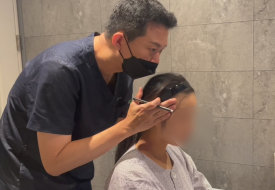
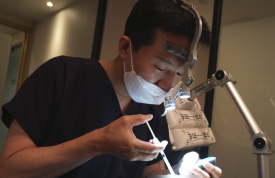
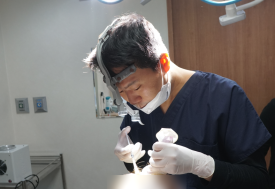
Drug treatment is determined after consultation, with comprehensive consideration of genetic factors, medical history, and responses to previous treatments.
Injection therapy is used in a way that improves the growth environment by combining ingredients that stimulate hair follicle cells, and treatment is tailored to the individual.
Device-based treatment may be applied together with medication or injection therapy for purposes such as improving blood circulation, reducing inflammation, and stimulating the hair roots.
For hair transplant surgery, for areas where hair follicles have already been lost, harvesting hair from the back of the head and transplanting it to the needed area may be an alternative.
This is selectively considered for areas that are difficult to restore with other treatments.
New Hair Hair Transplant Clinic plans single or combination treatments according to the patient’s condition and needs, helping patients review a variety of science-based options and find the method that is appropriate for them.
The effect of this review approval is limited to this page.