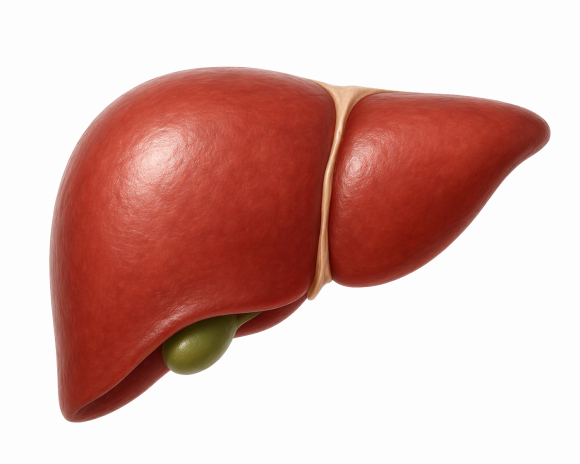
What Is the Normal Range for Liver Function Values? (AST, ALT, Gamma-GTP, ALP)
When you receive the results of a health checkup, you may have heard someone say, ‘your liver values are high’ at least once.
However, it is often confusing what items this actually refers to and what number is considered normal.
Because the liver is an organ that does not easily feel pain, abnormalities are often discovered through changes in lab values, so a basic understanding is essential.
The representative liver-related items checked in a health screening are as follows.

- AST (Aspartate Aminotransferase)
AST is an enzyme found not only in the liver but also in the heart and muscles.
When liver cells are damaged, it leaks into the bloodstream and the level rises.
Normal range: about 0 to 40 IU/L
Feature: It can also be affected by damage to tissues other than the liver.
In other words, it is difficult to conclude that there is definitely a liver problem just because AST is high.
- ALT (Alanine Aminotransferase)
ALT is an enzyme found mainly in the liver and reflects liver damage more directly.
Normal range: about 0 to 40 IU/L
Feature: The most basic indicator used to evaluate liver disease
It is easy to understand ALT as reflecting the condition of the liver more specifically than AST.
- Gamma-GTP (γ-GTP)
Gamma-GTP is a value that shows the condition of the liver and the bile ducts (the passages connected to the gallbladder).
Normal range: men about 10 to 70 IU/L / women about 6 to 40 IU/L
Feature: Sensitive to alcohol consumption, fatty liver, and medication effects
In particular, if you drink alcohol frequently, this value often rises first.
- ALP (Alkaline Phosphatase)
ALP is an enzyme produced not only in the liver but also in the bones and bile ducts.
Normal range: about 40 to 130 IU/L
Feature: Increases when there is bile duct obstruction or abnormal bile flow
It often rises when there are gallstones or bile duct diseases.
- Total Bilirubin
Bilirubin is a substance produced when red blood cells are broken down, and it is processed by the liver.
Normal range: about 0.2 to 1.2 mg/dL
Feature: If the level is high, jaundice symptoms may occur
It is an indicator that can be associated with jaundice, in which the skin or eyes turn yellow.
- Albumin
Albumin is a protein made in the liver and shows the liver’s ‘synthetic capacity.’
Normal range: about 3.5 to 5.2 g/dL
Feature: Decreases when liver function declines
If the liver weakens, its ability to produce protein drops, and the level may become low.
Points to keep in mind when interpreting liver values
It is important to look at liver values not simply as ‘normal vs. abnormal,’ but together with the overall pattern.
For example:
-
AST and ALT rise together → possible liver cell damage
-
Only γ-GTP rises → possible alcohol use or fatty liver
-
ALP rises → possible bile duct problem
Also, because values can change due to temporary fatigue, exercise, or taking medication, it is better to look at follow-up testing and consult a specialist rather than judge based on just one test result.
Liver values are an important signal that shows your health status, but there is no need to become overly anxious about a single number.
What matters is whether the values have increased compared with previous tests, whether they remain high continuously, and whether they change along with other values.
Especially if you usually drink alcohol frequently, have gained weight, or have accumulated fatigue, it is better to pay close attention to even small changes.
Because the liver is an organ with excellent recovery ability, it can often return to the normal range with lifestyle improvements alone.
If you have received your health checkup results, do not stop at simply checking the numbers; understanding what they mean and managing them is the real beginning of health care.