Hair loss patients often say the same thing during their first consultation.
I’m not taking hair loss medication yet,
but I am taking biotin.
Biotin is already widely known to many people as a “hair supplement.”
You can also easily see messages in ads and on social media saying that taking biotin makes hair thicker, reduces shedding, and even improves nail health.
So among people who have started to lose hair, it is not uncommon for them to look for biotin supplements before seeking hospital treatment.
But an important question arises here.
Is biotin really a necessary ingredient for treating hair loss?
And if you take biotin, will your hair actually grow more or fall out less?
A latest systematic review published in 2026 provides a relatively clear direction on this question.
To put it simply, there is insufficient evidence to routinely recommend biotin for general hair loss patients who do not have confirmed biotin deficiency.¹
In this post, I will focus on the questions patients actually ask most often and sort out the misconceptions and limitations surrounding biotin’s effect on hair loss.
Biotin Hair Loss Supplement: Does It Not Work Unless You’re Deficient? Summary
| Biotin is vitamin B7, and if there is a deficiency, it may be related to dermatitis, nail changes, and hair loss. |
|---|
| There is insufficient evidence that biotin supplements significantly improve hair growth in general hair loss patients without confirmed deficiency.¹ |
| In a 2024 clinical study, biotin alone did not show a meaningful effect on improving hair growth rate, and no additional benefit was confirmed even when used together with minoxidil.³ |
| High-dose biotin can distort some blood test results, so you should tell medical staff whether you are taking it before thyroid tests or heart-related tests.⁴ |
| In hair loss treatment, what matters is not “whether you take biotin,” but accurately distinguishing whether your hair loss is androgenetic alopecia, telogen effluvium, or nutrition-deficiency-related hair loss. |
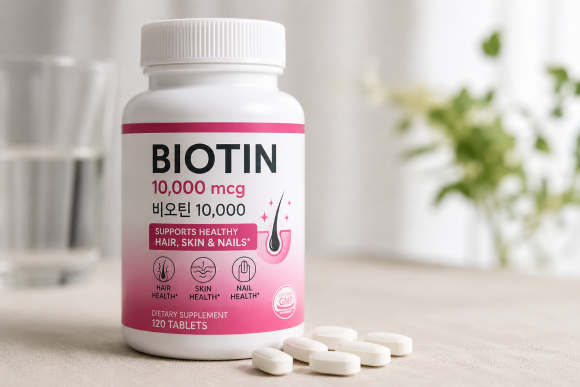
Q1. Is biotin originally an ingredient needed for hair?
Yes, biotin is a nutrient the body needs.
Biotin is called vitamin B7 and acts as a coenzyme involved in fatty acid synthesis and energy metabolism.
It is indeed a component necessary for our bodies to maintain normal metabolic function.
If biotin is lacking, dermatitis, neurological symptoms, weakened nails, and hair loss can occur. For this reason, the statement that “biotin deficiency can cause hair loss” is not wrong in itself.
The problem is that this fact is oversimplified and interpreted as: “If biotin is deficient, hair loss happens → therefore, taking biotin treats hair loss.”
Correcting a deficiency state and giving supplements to someone without a deficiency in order to promote hair growth are completely different matters.
The 2026 systematic review also points out that biotin’s popularity has been exaggerated by marketing more than by scientific evidence.¹
Q2. Does taking biotin definitely improve hair loss?
If you are a general hair loss patient without deficiency, it is difficult to say that biotin alone will definitely improve hair loss.
The 2026 review examined a total of 10 human studies.
Among them, in a randomized crossover trial involving healthy men, taking 5 mg of biotin alone daily did not produce a meaningful change in objective hair growth rate.¹
By contrast, minoxidil showed a hair growth improvement effect in the same study.
Also, when biotin and minoxidil were used together, no clear additional benefit was confirmed compared with minoxidil alone.³
In other words, based on the data available so far, biotin is closer to a nutrient that may be considered for supplementation when there is a deficiency than to a hair loss medication.
Clinically, if a patient with progressive hereditary hair loss spends time taking only biotin, the treatment window may be missed.
For progressive hair loss such as male pattern hair loss or female pattern hair loss, treatment matched to the cause is important.
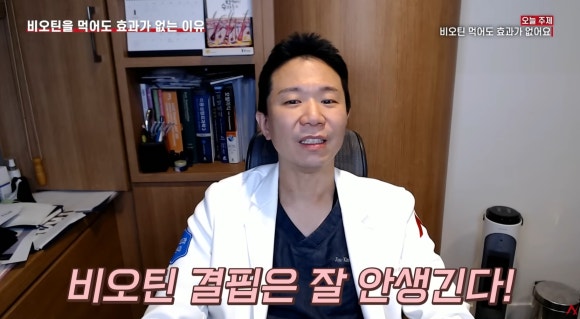
Q3. Is biotin deficiency common?
Biotin deficiency is not common in modern people who eat a normal diet.
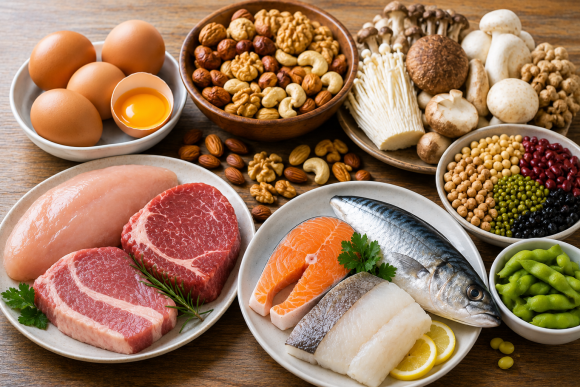
Biotin is found in many foods such as egg yolk, nuts, mushrooms, legumes, and meat.
In addition, intestinal bacteria also contribute to some biotin production.
Therefore, unless there is a special absorption disorder or an extreme dietary restriction, severe biotin deficiency is not common.
Of course, there are exceptions.
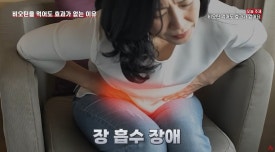
If you have had gastric resection surgery, have intestinal malabsorption, have taken certain medications for a long time, or have a genetic metabolic disorder, the possibility of biotin deficiency can be considered.
Also, one study reported that low biotin levels were observed in about 38% of women with hair loss, but that study had limitations in explaining causality because it lacked sufficient comparison with a control group without hair loss.²
On the other hand, in a case-control study of telogen effluvium patients, there was no clear difference in biotin concentration between the patient group and the normal group.¹
Therefore, it is difficult to conclude that “having hair loss = being deficient in biotin.”
Q4. Would it help to get a biotin level test?
A biotin level test is not necessarily required for all hair loss patients.
Serum biotin levels can be strongly affected by recent intake.
In other words, if you started taking biotin supplements a few days ago, the test may not accurately reflect an actual deficiency state in the body.
Also, it is often difficult to clearly explain the cause of hair loss based on test results alone.
That said, it may be worth discussing nutritional status evaluation with medical staff in the following cases.
-
When sudden hair loss is accompanied by severely brittle nails
-
When dermatitis around the eyes, nose, or mouth is present
-
When you have had extreme dietary restriction or long-term dieting
-
When there is a history of gastrointestinal surgery
-
When malabsorption is suspected
-
When hair changes appear after taking certain medications
In clinical practice, rather than looking only at biotin, physicians often also check iron, vitamin D, thyroid function, zinc, and protein intake.
That is because hair loss is much more often influenced by multiple factors rather than just one nutrient.
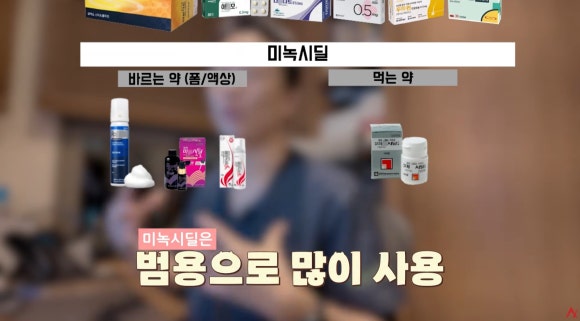
Q5. Is it more effective to take biotin and minoxidil together?
Based on current research, it is difficult to say that taking biotin together with minoxidil makes minoxidil work better.
A study published in 2024 compared 5% topical minoxidil, 5 mg oral biotin, and a combination of minoxidil plus biotin.
As a result, the biotin-only group did not show a clear improvement in objective hair growth, and the effect in the combination group was not significantly different from minoxidil alone.³
This does not mean that biotin interferes with minoxidil’s effect.
It simply means it is difficult to expect a definite synergy just by adding biotin.
Therefore, if you are already using minoxidil for hair loss treatment, it is more important to use minoxidil consistently and correctly than to focus on whether to add biotin.
The amount applied, the application area, the duration of use, and whether it is stopped can all have a greater impact on the actual treatment result.
Q6. Are there no side effects if I take a biotin supplement?
Biotin itself is a water-soluble vitamin, so it is generally known as a relatively safe ingredient.
However, “safe” does not mean “it is fine to take a high dose without any caution.”
The most important issue is distortion of blood test results.
High-dose biotin can interfere with biotin-streptavidin-based immunoassays.
As a result, thyroid hormone levels or troponin levels used to diagnose myocardial infarction may come out differently from the actual values.
The U.S. FDA has also warned several times that biotin can affect some test results.⁴
In particular, if troponin levels are misinterpreted in a cardiac emergency, an important diagnosis may be delayed.
Thyroid function tests may also appear different from the actual condition, which can lead to unnecessary additional testing or treatment.
Therefore, if you are taking biotin, you must tell medical staff when undergoing a health checkup, thyroid test, heart-related test, or preoperative test.
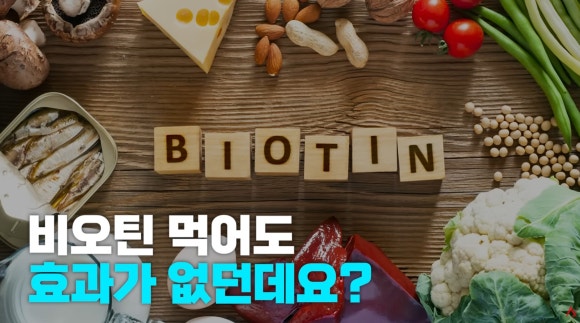
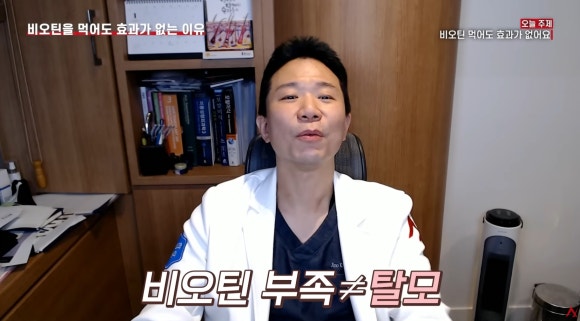
Q7. Complex supplements that contain biotin seem to work.
Even if you felt a benefit from a complex supplement, it is difficult to attribute that effect to biotin alone.
Hair-related complex supplements often contain zinc, selenium, medicinal yeast, keratin, amino acids, vitamin D, iron, and more in addition to biotin.
At the same time, the period may overlap with using minoxidil, improving eating habits, or experiencing reduced stress.
Therefore, if you felt that your hair was shedding less after taking a complex supplement, it is hard to tell whether that change was due to biotin, another ingredient, or the natural recovery phase of the hair cycle.
In particular, telogen effluvium can also recover naturally over time once the cause is resolved.
If you were taking a supplement at that time, it may feel like the supplement was effective.
Clinically, there is no need to dismiss the experience of “feeling that it worked,” but it is difficult to recommend biotin to all hair loss patients on that basis alone.
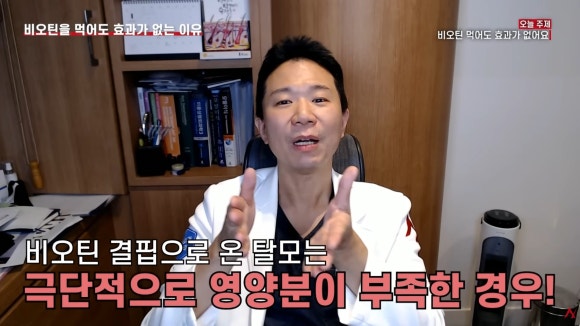

Q8. Then who might need biotin?
Biotin is not a supplement needed by every hair loss patient, but it may help in some situations.
For example, it can be selectively considered when actual biotin deficiency is confirmed, when there is malabsorption, when nutritional intake is extremely insufficient, or when hair changes appear after taking certain medications.
Also, if nails split easily, dermatitis is present, and hair shedding suddenly becomes severe, it is worth evaluating whether there are nutritional deficiency factors beyond simple hereditary hair loss.
However, if the hair loss is related to androgens, genetic factors, and follicle sensitivity, as in male pattern hair loss or female pattern hair loss, it is difficult to determine the treatment direction with biotin alone.
In such cases, it is important to check the degree of hair loss progression, changes in hair thickness, family history, and scalp condition, and then establish an appropriate treatment strategy such as medication, injection therapy, minoxidil, or hair transplantation.
| Current patient situation | Whether biotin supplements are recommended | Evidence and precautions |
|---|
| General hair loss patient with a balanced diet | Not recommended | If there is no deficiency, biotin supplementation alone has not been proven to improve hair growth.¹ |
| When biotin deficiency is confirmed by testing | Strongly consider | In a deficiency state, supplementation may help restore hair, skin, and nail health.¹ |
| Hair loss patient using minoxidil | Difficult to recommend routine combination | There is insufficient evidence that adding biotin further increases minoxidil’s effect.³ |
| History of gastric resection, malabsorption, or extreme dietary restriction | Selective consideration | Nutritional deficiency is possible, so evaluation after consultation with a specialist is needed. |
| Scheduled for health checkup, thyroid test, or heart-related test | Disclose use and discuss discontinuation | High-dose biotin can distort some blood test results.⁴ |
| Taking a complex supplement containing biotin | Ingredient review needed | Even if there is an effect, it is difficult to conclude it is due to biotin alone. |
Q9. Would it be better to get biotin from food instead?
In general cases without deficiency, getting it naturally through meals rather than through high-dose supplements is often sufficient.
Foods that contain biotin include egg yolk, nuts, mushrooms, legumes, meat, and fish.
If your usual diet is not overly restricted, you are likely already getting the amount you need.
When you are worried about hair loss, it is better to look at overall nutritional balance rather than focusing only on biotin.
Hair is affected by many factors, including protein, iron, zinc, vitamin D, thyroid function, sleep, stress, and hormonal changes.
In particular, if hair loss occurs after dieting, you should first check total caloric intake, protein intake, iron stores, and the rate of weight loss rather than biotin.
Biotin is a vitamin the body needs.
If there is a deficiency, hair, skin, and nail changes can appear, and in such cases supplementation may help.
However, there is still insufficient evidence to routinely recommend biotin for general hair loss patients without confirmed deficiency.
The latest 2026 review also did not find evidence that biotin-only supplementation consistently improved objective hair growth measures.¹
In addition, a 2024 clinical study found that biotin alone was not clearly effective, and even when combined with minoxidil, the additional benefit was limited.³
More important than “Should I take biotin or not?” is identifying exactly why my hair loss happened.
The treatment approach is completely different depending on whether it is hereditary hair loss, telogen effluvium, nutrition-deficiency-related hair loss, or hair loss related to medication or disease.
If you rely only on biotin and let time pass, you may miss the golden window for hair loss that actually needs treatment.
Therefore, if hair loss continues or your hair is becoming progressively thinner, it is better to get an accurate diagnosis before choosing a supplement.
Biotin can help those who need it, but it is not the answer for every hair loss patient.
It is now time for hairhair, Kim Jin-Oh.
Pilsaengsinmo (必生新毛).

Written by: Kim Jin-Oh, New Hair Plastic Surgery Clinic (Public Relations Director, Korean Society of Plastic and Reconstructive Surgeons / Academic Director, Korean Society for Laser Dermatology and Hair)
[References]
-
Moltó-Balado, P., Simeó-Monzo, A. and del Barrio-Gonzalez, A. (2026). Effectiveness of Biotin Supplementation for Hair Growth in Patients with Alopecia: A Systematic Review. Dermato, 6(2), pp. 17-24. cited: "Current evidence does not support routine biotin supplementation for alopecia in the absence of documented deficiency."
-
Trüeb, R.M. (2016). Serum Biotin Levels in Women Complaining of Hair Loss. Int. J. Trichology, 8(2), pp. 73-77. cited: "A notable proportion of low biotin levels reported but lacked a matched control group."
-
Valentim, F.O., et al. (2024). Efficacy of 5% topical minoxidil versus 5 mg oral biotin versus topical minoxidil and oral biotin on hair growth in men. An. Bras. Dermatol., 99, pp. 581-584. cited: "Biotin alone showed no measurable growth benefit; combo effect consistent with minoxidil."
-
U.S. Food and Drug Administration. (2022). The FDA Warns That Biotin May Interfere with Lab Tests. cited: "High-dose biotin may interfere with immunoassays, potentially leading to clinically relevant false laboratory results."
Related posts you may also like