※「Korean Medical Association Medical Advertising Review Committee Review No. 251106-중-201424」
Hair loss is a common concern for both men and women.
Men often experience progressive hair loss, mainly at the M-shaped hairline or the crown,
while women commonly experience thinning hair across the crown and reduced hair density.
The causes vary. Genetic predisposition is the most representative factor, but in men, hormonal
influences are significant, and in women, hormonal changes such as pregnancy, childbirth, and menopause, as well as thyroid disease, rapid
dieting, and chronic stress, can also be major factors.
Although the patterns and causes of hair loss differ by sex, in common it is necessary to accurately understand the condition of the scalp and hair and manage it while also considering lifestyle habits and environmental factors.
It is also important to protect scalp health through an individualized approach tailored to each situation.
- Get a diagnosis before treatment
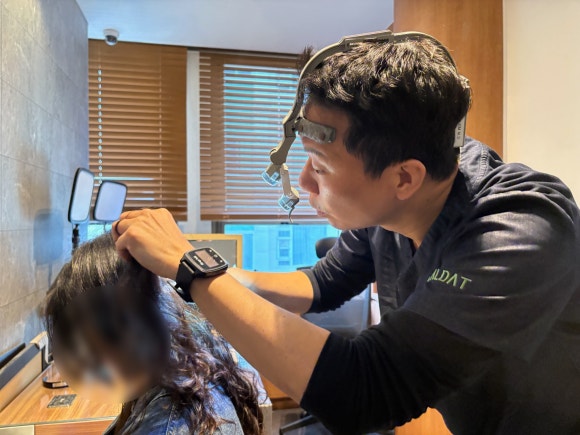
Medical interview: Check hair thickness, changes in density, family history, accompanying conditions, and medication use
If needed: Scalp and hair microscope examination
Classification: Male pattern/female pattern/telogen/alopecia areata, etc. → Establish a plan by considering both the current condition and the cause
- Lifestyle habits and scalp care
Minimize cleansing irritation: Adjust cleansing frequency to suit scalp condition, and reduce excessive heat and physical irritation
Environment and habits: Get enough sleep, manage stress, and maintain balanced nutrition
Hair styling: Minimize prolonged traction and strong hold products
- Medical options (to be considered depending on the condition)
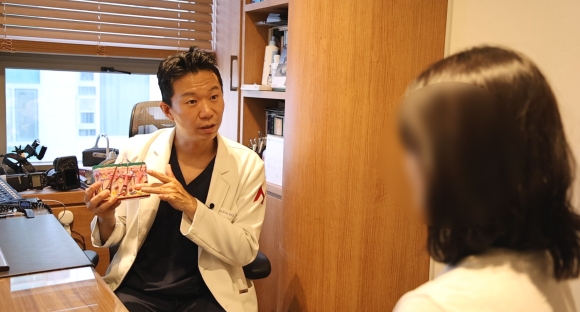
Topical minoxidil: A topical application used in hair loss treatment
Hair loss medications (finasteride, dutasteride): Mainly used for male pattern hair loss, and in women they are applied in limited cases under the judgment of a medical professional
Adjunctive methods (low-level laser procedures, follicle injections, etc.): Some studies have verified their effects, but more research is still needed, so consultation with a medical professional is necessary
Because it is difficult for one method to guarantee the same result for all types of hair loss,
different methods with different mechanisms can be combined step by step.
- New Hair Hair Transplant Clinic’s customized program
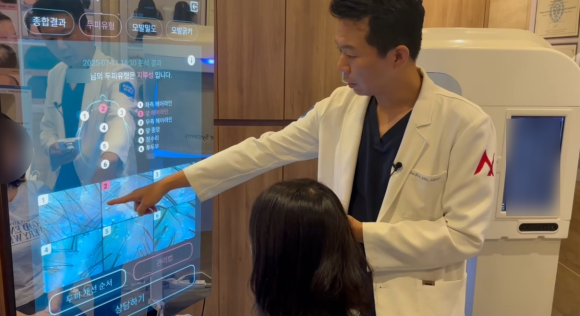
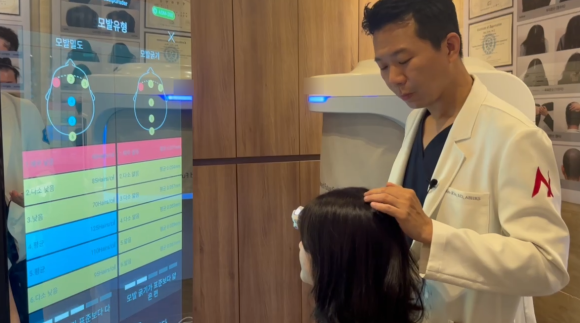
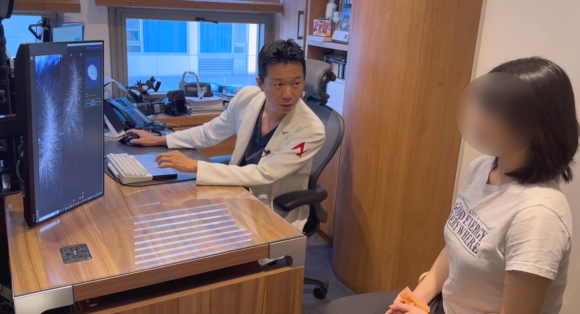
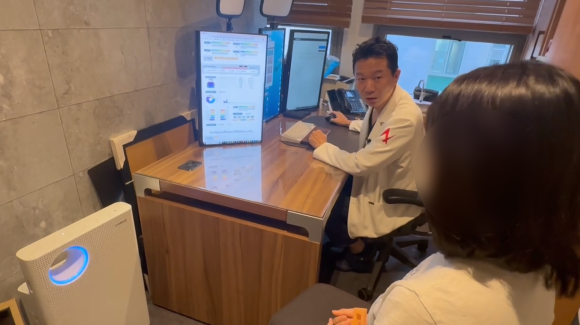
At New Hair Hair Transplant Clinic, after a detailed analysis, a customized program is designed to reflect patient-to-patient differences.
Individual condition analysis → Customized program design → Step-by-step progress → Interim monitoring
In principle, the focus is on lifestyle habits and scalp condition management, and medical methods are considered together when needed.
- Detailed analysis and condition assessment
Through scalp imaging and examinations, the scalp type (dry/oily/sensitive/inflammation 여부), degree of hair loss progression, lifestyle habits, and more are comprehensively evaluated.
- Individualized customized program design
Based on the analysis results, the application ingredients, whether injection treatment will be used, the timing, and the sequence of device use are individualized.
Recently, with a greater variety of ingredients and devices available, combinations tailored to each patient’s characteristics have become possible.
- Early evaluation and planning
Hair loss requires different responses depending on the stage of progression and the activity of the hair follicles.
When symptoms appear, checking the condition early helps establish a management plan aimed at reducing excessive shedding.
- Design tailored to the main area
Area-based design: Set goals (thickness, density, suppression of hair loss) according to the patient’s priorities, such as the crown, hairline, and bangs
Consider scalp type: Adjust care methods and topical agents according to scalp condition
Continuous monitoring: Record treatment changes and then maintain or supplement as needed
The validity of this review approval is limited to this page