Ingrown Hair (Hair Growing Into the Skin): Inflammation and Care Methods
Have you ever experienced small red bumps appearing on your skin after shaving or hair removal, along with itching or stinging?
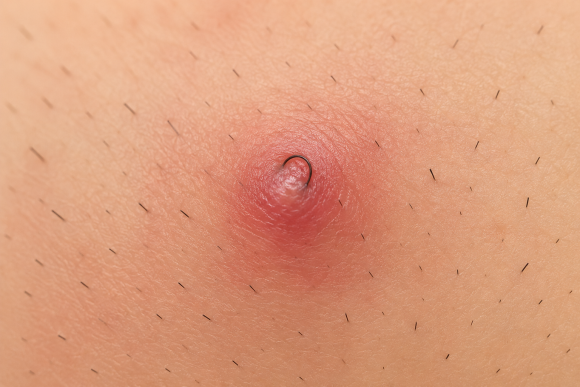
If you look closely, you may find that a hair is trapped beneath the skin.
This is commonly called an ingrown hair.
An ingrown hair is not merely a cosmetic issue. It can lead to inflammation, hyperpigmentation, and even scarring, so proper care is important.
It commonly occurs in areas where the hair is coarse or shaved frequently, such as the beard area, underarms, legs, and bikini line.
In this post, we will take an easy look at why ingrown hairs develop, their symptoms, and care methods you can practice at home.
What Is an Ingrown Hair?
Normally, hair breaks through the surface of the skin and grows outward.
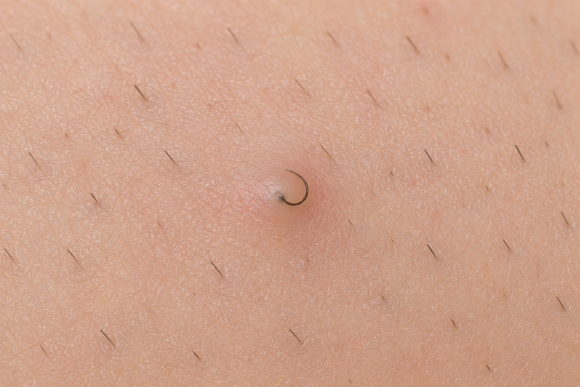
However, for various reasons, a hair may fail to emerge from the skin and instead curl inward or grow sideways, becoming trapped beneath the skin.
This is an ingrown hair.
The skin may recognize the hair as a foreign substance and trigger an inflammatory response, which can result in red bumps or pus.
Causes of Ingrown Hairs
- Frequent Shaving and Hair Removal
This is the most common cause.
After shaving, the cut end of the hair can become sharp and pierce back into the skin.
The closer and more cleanly you shave against the skin, the greater the likelihood of this occurring.
- Skin with a Heavy Buildup of Dead Skin Cells
When old dead skin cells build up thickly on the skin's surface, they can block the hair's path out. In this case, the hair continues to grow beneath the skin.
- Tight Clothing
Tight-fitting clothes cause continuous friction against the skin and hair.
Repeated irritation of this kind can prevent the hair from growing in its normal direction.
- Curly or Coarse Hair
People with coarse, curly hair are more likely to develop ingrown hairs because the hair ends can bend easily and grow back into the skin.
What Symptoms May Occur?
When an ingrown hair develops, the following symptoms may appear.
Mild cases may improve naturally over time, but if the inflammation becomes severe, dermatological treatment may be necessary.

Care Methods You Can Try at Home
- Do Not Squeeze or Dig It Out Forcefully
This is the most important point.
Trying to remove the hair forcefully with a needle or tweezers can cause a bacterial infection and increase the risk of scarring.
- Apply a Warm Compress
Applying a warm compress with a warm towel for about 10–15 minutes a day can soften the skin and may help the hair emerge naturally.
- Manage Dead Skin Buildup
Gently exfoliating once or twice a week can help create conditions that allow the hair to emerge from the skin.
However, avoid excessive use of scrubs when the inflammation is severe.
- Use Moisturizer
Moisturizing sufficiently is important because dry skin is more prone to dead skin buildup.
Maintaining a healthy skin barrier can also help prevent ingrown hairs.
- Improve Your Shaving Habits
-
Soak the skin thoroughly with warm water before shaving
-
Use shaving gel
-
Shave in the direction of hair growth
-
Replace old razor blades
-
Apply moisturizer after shaving
These habits alone can significantly reduce how often ingrown hairs occur.
When to See a Doctor
A dermatology consultation is recommended in the following cases.
Pus continues to form
Severe swelling and pain occur
The problem repeatedly develops in the same area
Hyperpigmentation or scarring remains
The inflammation spreads over a wide area
Depending on the situation, antibiotic treatment or treatment for the inflammation may be provided.
Ingrown hair is a relatively common skin problem that occurs when hair grows into the skin.
It may initially look like a simple pimple, but repeated occurrences can lead to inflammation, hyperpigmentation, and scarring.
The most important step is prevention through proper shaving habits, adequate moisturizing, and appropriate exfoliation.
If you already have an ingrown hair, it is better to soothe the skin and care for it so that it can recover naturally rather than handling it forcefully.
If even a minor skin problem keeps recurring, it is recommended that you consult a specialist to identify the cause and receive appropriate treatment.