One of the questions most frequently asked by patients preparing for or having completed hair transplant surgery is this:
Do I need to continue taking hair-loss medication after a hair transplant?
Many people consider hair transplant surgery to be the final destination in hair-loss treatment.
However, in actual clinical practice, postoperative care often plays a significant role in determining the final outcome.
In particular, taking hair-loss medication after a hair transplant goes beyond simply slowing the progression of existing hair loss and plays an important role in making the surgical results look fuller.
In this article, I will organize the reasons hair-loss medication may be needed after a hair transplant and the effects of each medication based on actual research findings.
Do You Really Need to Take Hair-Loss Medication After a Hair Transplant? Key Postoperative Care Summary
| Taking hair-loss medication after a hair transplant plays an important role in protecting not only the transplanted hair but also the existing hair. |
|---|
| The finasteride group showed better results than the placebo group in hair density and visual improvement rates¹. |
| A recent study found that the graft survival rate in the finasteride group was approximately 4% higher than in the non-medication group². |
| Dutasteride helps reduce postoperative concurrent shedding (Shock Loss) and maintain hair thickness³. |
| Minoxidil shortens the telogen phase, helping transplanted hair begin growing sooner⁴. |
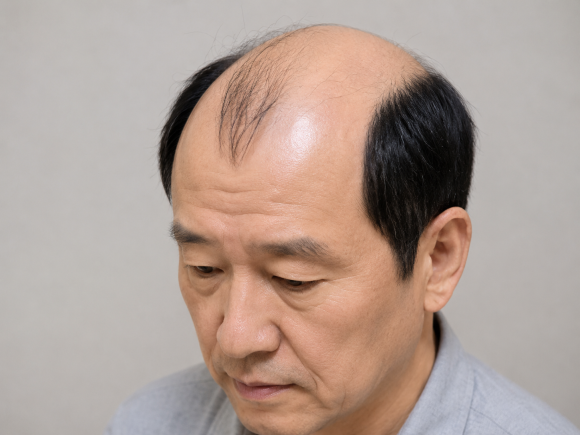
Q1. Do I really need to take hair-loss medication after a hair transplant?
To give the conclusion first, it is recommended for most men with male-pattern hair loss.
The reason is to protect the existing hair rather than the transplanted hair.
Hair from the back of the scalp used for hair transplantation is relatively stable because it is less affected by DHT.
In contrast, the existing hair remaining around the transplant area is still affected by hair loss.
If hair-loss medication is discontinued after surgery, the transplanted hair may remain while the surrounding hair continues to thin and fall out, potentially reducing overall density.
In fact, a study by Leavitt et al. found that 94% of the finasteride group experienced improvements in hair density and visual appearance, compared with only 67% of the placebo group¹.
In other words, hair-loss medication after a hair transplant acts like insurance for protecting existing hair rather than transplanted hair.
Q2. Why does concurrent shedding (Shock Loss) occur after a hair transplant?
Concurrent shedding is a common phenomenon after hair transplantation.
It refers to temporary hair loss that occurs when surrounding hair enters the telogen phase because of minor tissue damage and changes in blood flow during surgery.
It usually appears between one and three months after surgery.
From the patient’s perspective, it is easy to feel anxious and wonder, “Did something go wrong with the surgery?”
However, this is one part of the normal recovery process.
The problem arises when the existing hair is already affected by hair loss.
In this case, recovery after concurrent shedding may be delayed or may not be complete.
Finasteride and dutasteride help reduce follicular stress during this process and support the transition into the growth phase¹³.

Q3. Does hair-loss medication also affect the graft survival rate?
In the past, hair-loss medication was understood to be more effective for preserving existing hair than for improving the survival rate of transplanted hair.
However, recent research has reported somewhat different findings².
After following patients who underwent FUE surgery for 12 months,
the average graft survival rate was 94% in the finasteride group,
compared with 90% in the non-medication group².
The numerical difference may appear to be only about 4%.
However, assuming 3,000 hairs were transplanted, this could represent a difference of more than approximately 120 hairs.
The increase in hair density was also greater in the medication group, which showed an average increase of 28.6 hairs/cm², while the non-medication group showed an increase of only 24 hairs/cm²².
These findings suggest that maintaining a more stable scalp environment after surgery may have a positive effect on graft survival and growth.
Q4. Is dutasteride more powerful than finasteride?
Dutasteride blocks both type I and type II 5-alpha-reductase, which are involved in DHT production.
Finasteride, on the other hand, primarily inhibits type II.
Therefore, dutasteride has a stronger DHT-inhibiting effect itself.
In a randomized, double-blind study, the dutasteride group had a lower incidence of concurrent shedding than the placebo group and also showed better improvement in hair thickness³.
Dutasteride may be actively considered especially for patients with severe crown hair loss or rapidly progressing hair loss.
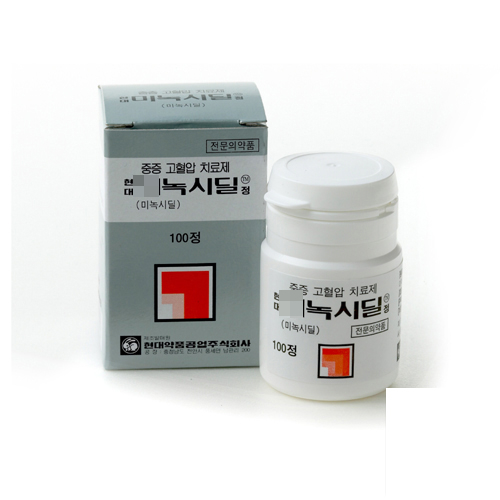
Source: Hyundai Pharm
Q5. How does minoxidil help after a hair transplant?
Minoxidil is a medication that increases the supply of oxygen and nutrients to the follicles through vasodilation.
Its greatest advantage for hair transplant patients is that it shortens the telogen phase.
According to research, even when patients using minoxidil experienced postoperative telogen shedding, new hair began to emerge approximately 4–6 weeks earlier on average⁴.
In other words, this means that results may begin to appear sooner.
It can be a useful adjunctive treatment for patients hoping for faster recovery and earlier growth after surgery.
| Patient condition | Recommended medication | Expected effect |
|---|
| Early-stage M-shaped hair loss | Finasteride 1 mg | Preserve existing hair and reduce concurrent shedding¹ |
| Progressing crown hair loss | Dutasteride 0.5 mg | Strong DHT inhibition and density maintenance³ |
| Those seeking faster growth | Minoxidil in combination | Shorten the telogen phase and promote growth⁴ |
| Patients undergoing extensive transplantation | Dutasteride + minoxidil | Maximize density and growth³⁴ |

Frequently Asked Questions (FAQ)
Q. What happens if I stop taking hair-loss medication after a hair transplant?
Even if the transplanted hair remains, the surrounding existing hair may continue to be affected by hair loss, which can reduce density.
Q. Do I have to take hair-loss medication for the rest of my life after a hair transplant?
Because hair loss itself is a progressive condition, long-term use is often recommended.
Q. Can I take hair-loss medication on the day of surgery?
Finasteride and dutasteride can generally be continued before and after surgery.
Q. Are generic hair-loss medications equally effective?
Generics with demonstrated bioequivalence can be expected to have the same effect.
Q. Do women take hair-loss medication after a hair transplant as well?
There are restrictions for women of childbearing age, and minoxidil or other alternative treatments are considered first.
Hair transplant surgery is closer to the beginning than the completion of hair-loss treatment.
Once surgery has provided new hair,
how well the existing hair is protected will determine the final density.
Finasteride and dutasteride help reduce concurrent shedding and protect existing hair¹³, while minoxidil helps accelerate recovery and growth⁴.
Therefore, the decision of whether to take hair-loss medication after a hair transplant is not simply a matter of whether to take medication,
but should be approached as an important treatment strategy for improving the completeness of the final result.
This has been Jin-oh Kim, and it is now time for hair to grow.
Life-giving new hair (必生新毛).
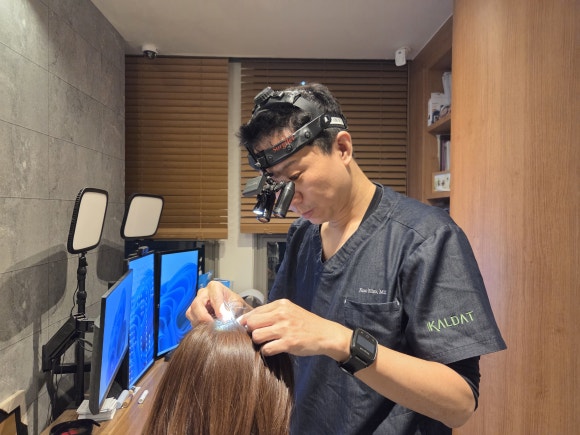
Written by: Jin-oh Kim of New Hair Plastic Surgery (Public Relations Director of the Korean Association of Plastic Surgeons / Academic Director of the Korean Society of Laser, Dermatology and Hair)
Related Articles