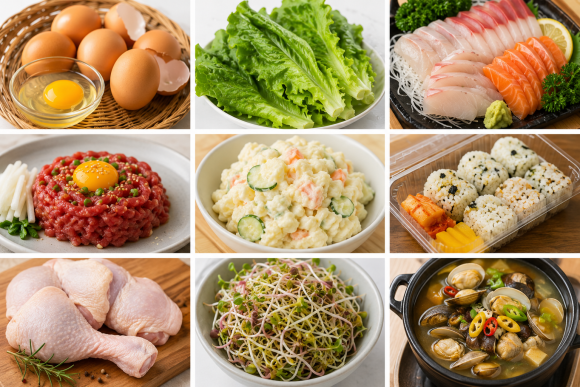
Beware of Summer Food Poisoning! Why Eggs·Lettuce·Raw Foods Can Be Dangerous
Food poisoning cases increase significantly during the summer.
In environments with high temperatures and humidity, bacteria multiply quickly, meaning that foods that normally cause no problems can become dangerous.
Many people think they only need to be careful with meat or seafood, but ingredients such as eggs and lettuce can also cause food poisoning.
So why do certain foods become more dangerous in the summer?
Why Food Poisoning Increases During the Summer
Food poisoning is caused by bacteria, viruses, or toxins contained in food.
The problem is that summer conditions are ideal for bacterial growth.
Most food-poisoning bacteria multiply rapidly in warm, humid environments.
Even leaving food at room temperature for a short time can cause the number of bacteria to increase sharply. Food that has been stored for a long time after cooking is especially dangerous.
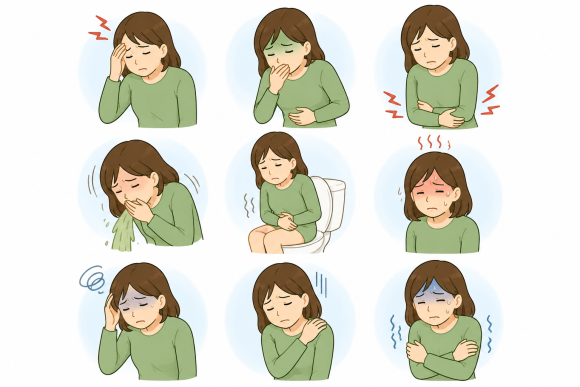
Common symptoms include abdominal pain, diarrhea, vomiting, and fever, and severe cases can lead to dehydration.
Why Eggs Are Considered High-Risk Foods for Food Poisoning
Eggs are highly nutritious, but extra care is needed during the summer.
Salmonella bacteria may be present on eggshells, and consuming cracked eggs or eggs that have not been cooked thoroughly can increase the risk of food poisoning.
Particular caution is needed with soft-boiled eggs and foods made with raw eggs.
During the summer, refrigerate eggs as soon as possible after purchasing them, and when cooking, make sure to cook them thoroughly, including the yolks.
Vegetables Such as Lettuce May Not Be Safe Either
Many people think vegetables are safe because they are healthy foods.
However, foods eaten raw, such as lettuce, perilla leaves, and salad greens, can carry an unexpected risk of food poisoning.
Vegetables may be exposed to soil, water, and animal feces during cultivation.
Bacteria may also remain if they are not washed thoroughly or are stored improperly.
Especially during the summer, any moisture left after washing can make it easier for bacteria to multiply. It is important to wash vegetables carefully several times under running water, remove excess moisture, and then store them.
Why Raw Foods Are Dangerous
Raw foods such as raw beef, sashimi, and undercooked meat carry a relatively high risk of food poisoning because there is no cooking step to eliminate bacteria.
Even food that looks fresh can become contaminated with bacteria during distribution or storage, and the risk increases if it has been exposed to high temperatures, even briefly.
Young children, older adults, and pregnant women, whose immune systems may be weaker, should be especially cautious about eating raw foods during the summer.
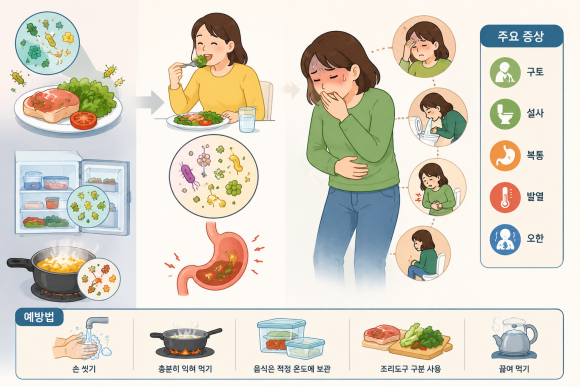
Everyday Practices for Preventing Food Poisoning
The key to preventing food poisoning is simpler than you might think.
-
First, cook food thoroughly whenever possible.
-
Second, wash your hands with soap for at least 30 seconds before and after cooking.
-
Third, use separate knives and cutting boards for raw meat and vegetables.
-
Fourth, do not leave cooked food at room temperature for a long time; refrigerate it instead.
-
Fifth, when going out, do not leave food in the interior of a vehicle or other unsuitable places.
Following these basic practices can prevent most cases of food poisoning.
Summer food poisoning can affect anyone, but it can be prevented with proper precautions.
Extra care is needed with raw foods such as eggs, lettuce, salad greens, and sashimi during the summer.
Food is not necessarily safe just because it looks fresh.
Proper storage, thorough washing, and the habit of eating food cooked thoroughly are the most reliable ways to prevent food poisoning.
During the hot summer months, even one small hygiene habit can become the most important precaution for protecting your family's health.