“God of Hair” is the blog nickname of New Hair Hair Transplant Clinic.
「Approved by the Korean Medical Association Medical Advertising Review Committee, No. 260127-中-206747」
Hair loss is difficult to assess accurately based only on visible changes.
This is because factors that are easy to miss with the naked eye—such as hair thickness and density, scalp inflammation, and the effects of lifestyle habits—can also affect the condition.
To identify these aspects accurately, equipment that can capture images under consistent conditions and examine hair follicles in detail can be helpful.
For this reason, multiple examination devices are recently being used together to objectively assess the current condition of the scalp and hair.
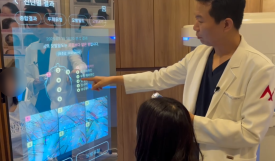
Photographing and Recording the Overall Scalp and Hair Loss Condition
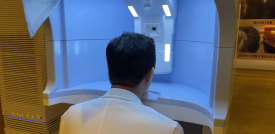
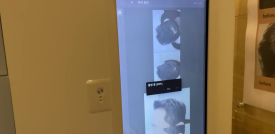
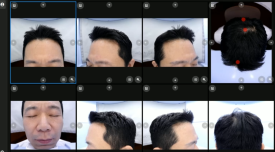
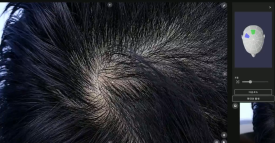
The scalp can be photographed under set lighting and from set angles, allowing records to be kept under consistent conditions.
-
Observe the entire head and scalp from multiple directions
-
Useful for comparing photographs taken at different times
-
Establish initial baseline data to track changes
The images taken during the initial consultation serve as a baseline, allowing comparisons under the same conditions during subsequent visits
to check for changes in the condition.
Precisely Photographing the Scalp and Hair with a Microscope
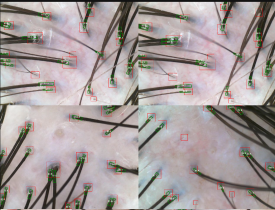
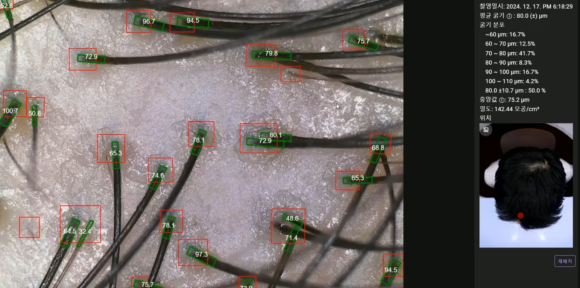
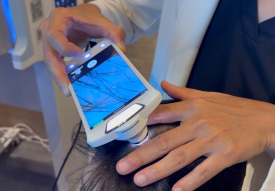
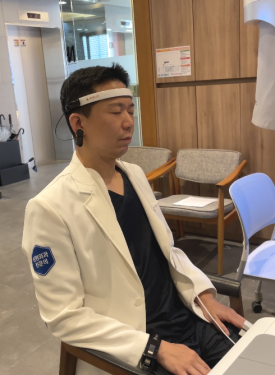
The scalp and hair can be examined in detail using a microscope.
You can directly check detailed factors such as the structure, thickness, and density of individual hair follicle units together with the medical staff.
-
Hair thickness by area
-
Hair density per unit area
-
Presence of inflammation around the hair follicles
-
Scalp environment, including sebum and dead skin cells
-
Hairline, crown, sides, back of the head, and other areas
Comparing differences between areas can help identify an individual’s pattern of change.
Comprehensive Evaluation Through a Medical Examination
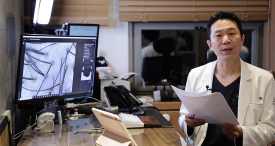
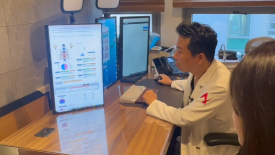
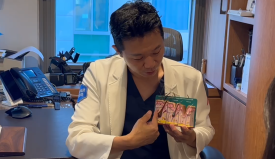
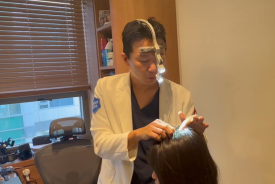
Photographic records and microscopic analyses are interpreted comprehensively together with an examination by the medical staff.
The comprehensive evaluation by the medical staff is not intended to predict a specific outcome. It is an assessment stage for objectively understanding the current condition and establishing directions for future observation and treatment.
Why Are Regular Diagnoses Necessary?
Because the rate of change in hair loss varies greatly from person to person, checking the scalp at regular intervals can be helpful during periods when its condition is likely to change.
As with regular health checkups, keeping records of changes in the scalp and hair can be useful for understanding future trends.
If scalp inflammation or sebum levels frequently change, the examination interval can be adjusted individually.
Summary of the Hair Loss Diagnosis Process at New Hair Hair Transplant Clinic
At New Hair Hair Transplant Clinic, a detailed diagnosis is conducted by using equipment-based hair loss assessments and direct examinations by the medical staff in stages to evaluate the current condition of the scalp and hair from multiple perspectives.
Each step is not intended to establish a specific result or predict treatment effects. Rather, it is intended to objectively check the current condition of the scalp and hair and understand which factors may be affecting them.
The diagnostic data collected in this way can be used as a reference for accurately understanding the current condition and deciding how to monitor its progress in the future, regardless of whether treatment is undertaken.
The Validity of This Review Approval Is Limited to This Page