When I consult with hair transplant patients, one of the questions they are most curious about is, “How much of the transplanted hair will survive?”
Many people think that hair transplant graft survival is simply a matter of post-surgery care. In reality, the final result is influenced by multiple factors, including the condition of the scalp before surgery, follicle extraction, storage, transplantation, and post-surgery recovery.
In particular, transplanted follicles become separated from their original blood supply as soon as they are extracted. Therefore, it is important to minimize drying, temperature changes, and physical damage while they are outside the body.
After surgery, the transplant area must be protected during the initial graft-survival period, while the follicles establish themselves in their new environment.
So, what should actually be checked to improve hair transplant graft survival?
I will organize the information around questions that patients frequently ask in the consultation room.
How to Improve Hair Transplant Graft Survival (Hyperbaric Oxygen, Graft-Hydrating Spray, Care During the First 3 Days and 2 Weeks After Surgery): Summary
| Hair transplant graft survival refers to the proportion of transplanted follicles that establish themselves in the new scalp environment and continue to grow. |
|---|
| Graft survival is not determined by post-surgery care alone. It is important to minimize damage during follicle extraction, storage, and transplantation. |
| The period especially important for patients is from immediately after surgery through approximately the first two weeks. The transplant area should not be subjected to impact or excessive irritation. |
| Activities such as smoking, infection, and scratching the transplant area can create conditions unfavorable for graft survival. |
| When assessing a clinic with good graft-survival results, it is advisable to consider not only the stated figures but also the follicle-storage system, the surgical team’s experience, and the post-treatment care system. |
Q1. What exactly is hair transplant graft survival?
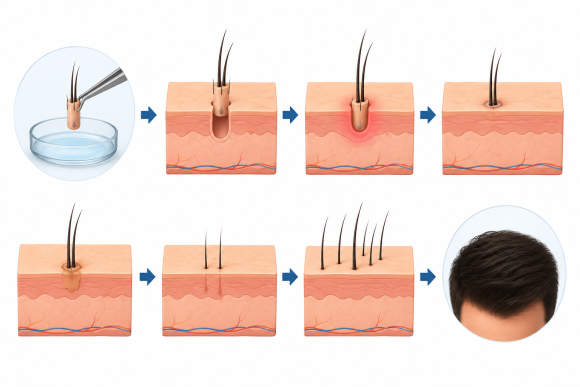
Hair transplant graft survival refers to the proportion of extracted and transplanted follicles that establish themselves in the new area and begin growing again.
Therefore, just as important as transplanting a large number of grafts is preserving the extracted follicles without damage and transplanting them accurately.
Because follicles are very small tissues, they can be affected by physical damage during extraction and separation, drying, unsuitable temperatures, and excessively long periods outside the body.
For this reason, it is more accurate to understand hair transplantation not simply as a “surgery that moves follicles,” but as a process of transferring living tissue while keeping it in the best possible condition.
Q2. How can hair transplant graft survival be improved?
Improving graft survival requires multiple steps to be carried out consistently and reliably, rather than relying on any one method.
Key factors include maintaining follicle moisture, storing follicles at an appropriate low temperature, using preservation solutions, handling follicles delicately, shortening the time they remain outside the body, and preventing infection.
Extracted follicles should be managed in an appropriate solution so that they do not dry out in the air. Damage caused by excessively high or low temperatures should also be avoided.
During surgery, it is important to use a microscope or high-magnification loupes and appropriate instruments to minimize physical damage to the follicles.
Ultimately, good graft survival is determined not by a single piece of equipment, but by the quality of the entire process used to handle the follicles.
Q3. Does storing follicles at a low temperature automatically improve graft survival?
Not necessarily.
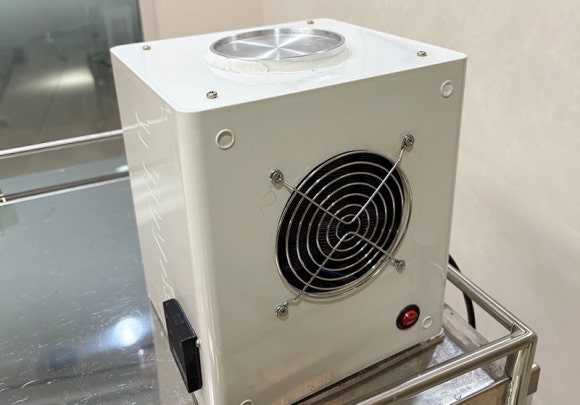
Storing tissue outside the body in an appropriately cool environment may help lower cellular metabolism and reduce oxygen consumption.
However, if the temperature becomes excessively low and the tissue freezes or suffers cold injury, it may instead harm the follicles.
Therefore, the important factor is not simply “keeping them cold,” but having a system that consistently maintains an appropriate temperature and preservation environment.
Preservation solutions may also include solutions developed specifically for tissue preservation, rather than only normal saline.
Q4. Does a long surgery always reduce hair transplant graft survival?
The outcome cannot be determined based solely on the fact that the surgery took a long time.
However, it is not desirable for extracted follicles to remain outside the body unnecessarily long.
Therefore, more important than the total surgery time is whether each follicle is properly stored after extraction and how efficiently it is transplanted.
The reason experienced medical professionals and surgical teams divide their roles systematically is to process the follicles quickly and accurately while reducing unnecessary time outside the body.
If speed is emphasized excessively and the follicles are handled roughly, damage may actually increase. A balance between accuracy and efficiency is necessary.


Q5. If hair transplant graft survival is low, does that mean the surgery has immediately failed?
Not necessarily.
It is not possible to determine final graft survival immediately after surgery, and the transplanted hairs may go through a so-called shock-loss phase, during which they shed.
Therefore, early hair loss after surgery should not by itself be taken as a sign of graft-survival failure.
On the other hand, if the expected density does not develop even after sufficient time has passed, it is necessary to examine various possible causes, including reduced graft survival.
Reduced graft survival may be influenced by patient-related factors such as scalp blood flow, scar tissue, underlying medical conditions, and smoking, as well as follicle dehydration and damage, prolonged time outside the body, infection, or external impact after surgery.
In other words, graft-survival failure is more likely to result from a combination of multiple variables before, during, and after surgery than from a single cause.
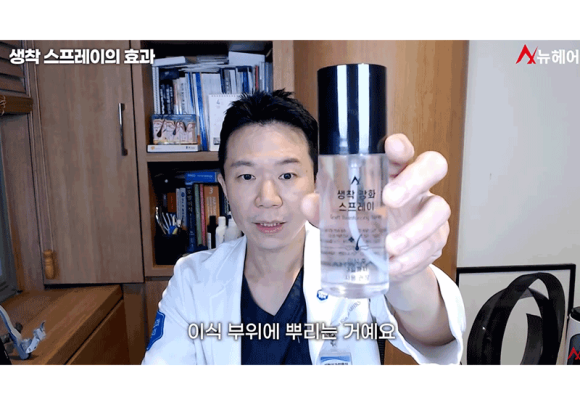
Q6. How should I care for the transplant during the first three days after surgery?
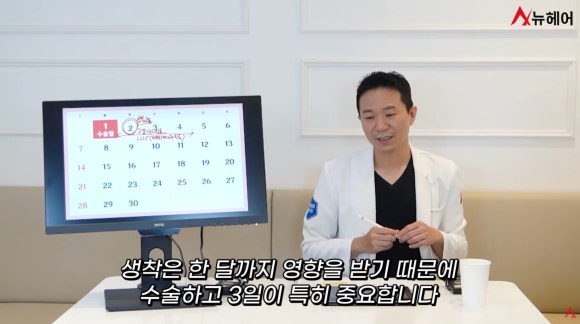
The first approximately 72 hours immediately after surgery are a time when the transplant area should be protected as steadily as possible.
If the clinic has instructed you to use a graft-hydrating spray or normal saline, follow those instructions and prevent the transplant area from becoming excessively dry.
However, there is no need to set alarms and spray the area throughout the night out of concern for graft survival.
Adequate sleep is also important during the recovery process.
In the early period, sleeping with your head slightly elevated may help manage swelling. Above all, avoid touching, scratching, or rubbing the transplant area with your hands.
Because surgical methods and post-treatment protocols may differ between clinics, it is best to follow the instructions from the medical institution where you had the surgery regarding the actual spraying frequency and when to begin washing.
Q7. Is removing scabs quickly after a hair transplant beneficial for graft survival?
No.
Scratching with your fingernails or forcibly removing scabs because they look unpleasant can instead cause unnecessary irritation to the transplant area.
After approximately four to seven days, the transplant area gradually stabilizes and the scabs also begin to dry naturally.
When to begin shampooing and removing scabs, as well as how much pressure to use, may vary according to the clinic’s surgical method and instructions.
When washing, the basic approach is to use the pads of your fingers gently rather than your fingernails.
In particular, people may unconsciously scratch because of itching. If the symptoms are severe, it is safer to consult the medical staff rather than scratching on your own.
Q8. After two weeks have passed since the hair transplant, can I stop worrying about graft survival?
After approximately two weeks, the transplanted follicles enter a considerably more stable stage than immediately after surgery.
However, this does not mean that the scalp tissue itself has fully recovered.
Therefore, until this point, it is advisable to avoid strong pressure or external impact and monitor the condition of the scalp.
If abnormal symptoms such as redness or folliculitis appear, it is advisable to have them checked by the medical staff.
Until approximately one month after surgery, it is safest to confirm with the clinic when to resume activities that may strongly irritate the scalp, such as swimming, saunas, heated spas, hair coloring, or perming.
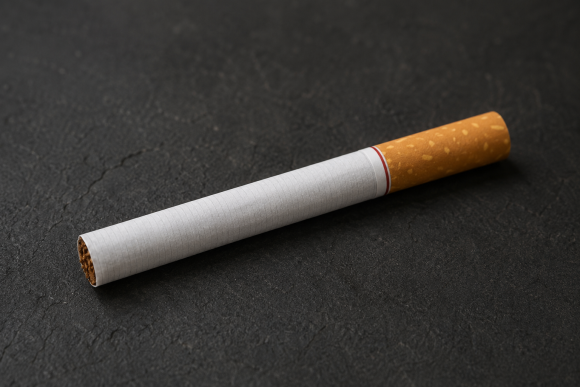
Q9. Isn’t smoking one or two cigarettes after a hair transplant okay?
It is best to avoid it if possible.
Smoking constricts blood vessels and may negatively affect the supply of oxygen delivered to the tissue.
There is no reason to add an unnecessary risk, especially during the initial graft-survival period when establishing a new blood supply is important.
Therefore, it is recommended that you refrain from smoking for at least approximately two weeks before and after surgery. If possible, abstaining for a longer period is preferable.
Alcohol may also affect swelling, bleeding, or inflammation during the early recovery period, so it is advisable to follow the period of abstinence from alcohol specified by the medical staff.
Q10. Will graft survival decrease if I do not receive hyperbaric oxygen therapy or low-level laser therapy?
Not necessarily.
Hyperbaric oxygen therapy, low-level laser therapy (LLLT), graft-hydrating sprays, and injection treatments intended to support graft survival may be used alongside surgery to improve the recovery environment.
However, none of these supportive treatments alone determines whether a hair transplant will succeed.
The foundation is extracting the follicles without damage, storing them in an appropriate environment, and transplanting them accurately.
It is appropriate to understand additional treatments as optional measures that may be used according to the patient’s scalp condition and needs.
Key Care Points by Hair Transplant Graft-Survival Period
| Period | Main changes | Key care points |
|---|
| Immediately after surgery–3 days | The transplanted follicles are in a highly sensitive early stage | Do not irritate the transplant area; keep it appropriately moist according to the clinic’s instructions |
| 4–7 days | Scabs form and the transplant area gradually stabilizes | Do not scratch or forcibly remove scabs |
| 1–2 weeks | The follicles gradually establish themselves more securely | Minimize impact and pressure; wash gently |
| 2–4 weeks | The scalp tissue continues to recover | Confirm when to resume strenuous exercise, saunas, swimming, and similar activities |
| After 1 month | Gradual return to daily activities | Resume coloring, perming, and similar activities according to the condition of the scalp |
Hair transplant graft survival should not be evaluated solely as a number representing “what percentage survives.”
The process must first be properly established: keeping extracted follicles from drying out, storing them in an appropriate environment, minimizing damage, and transplanting them quickly and accurately.
The patient’s role after surgery is also important.
In particular, during the first two weeks, it is advisable not to scratch or rub the transplant area, avoid external impact, and follow the lifestyle instructions provided by the clinic, such as abstaining from smoking and alcohol.
However, a minor mistake in post-surgery care does not immediately mean that the hair transplant has failed, so there is no need to become excessively anxious.
Ultimately, good results come not from one special method, but from the accumulation of small care measures carried out from before surgery through the post-surgery period.
If you are planning a hair transplant, consider not only the cost or the number of grafts, but also the medical team’s experience, the follicle-storage and transplantation system, and the post-surgery care process.
This was Kim Jin-oh, and now is the time to hair.
Grow New Hair for Life.
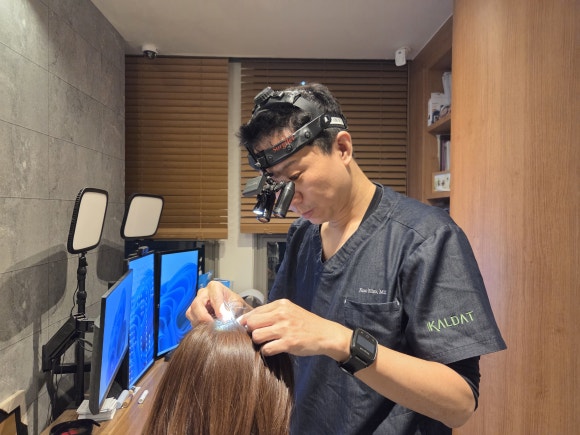
Written by: Kim Jin-oh of 뉴헤어성형외과 (Public Relations Director of the Korean Association of Plastic Surgeons / Academic Director of the Korean Association of Laser, Dermatology and Hair Research)
-
Visiting Professor, Department of Plastic Surgery, Yonsei University College of Medicine
-
Diplomate of the American Board of Hair Restoration Surgery (ABHRS)
-
Executive Director of the Korean Association of Plastic Surgeons
-
Executive Director of the Korean Association of Laser, Dermatology and Hair Research (KALDAT)
-
Executive Director of the Korean Society for Laser Medicine and Surgery