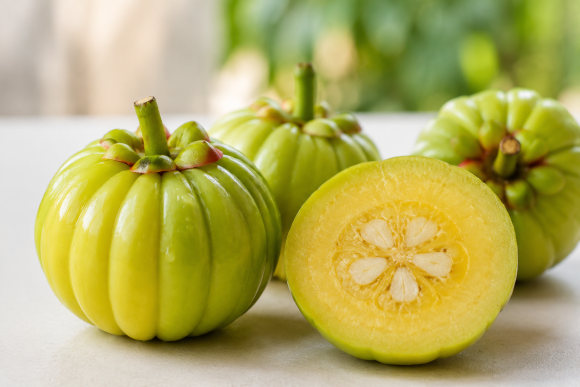
Can You Drink Alcohol After Taking Garcinia? Liver Enzyme Levels and the Risk of Acute Hepatitis
Many people take dietary supplements containing garcinia for weight loss.
On days when they have a company dinner or social gathering, they may wonder, “Is it okay to drink alcohol after taking garcinia?”
To put it simply, it is safest to avoid drinking alcohol as much as possible while taking garcinia.
Liver damage does not occur in everyone who takes garcinia and drinks alcohol together.
However, cases of acute hepatitis associated with Garcinia cambogia extract have been reported, and concerns have also been raised that consuming it with alcohol may increase the risk of hepatotoxicity.
The Ministry of Food and Drug Safety also strengthened the precautions for consuming Garcinia cambogia extract by reflecting the results of its 2026 reevaluation of health functional food ingredients.
Therefore, rather than assuming that it is safe simply to leave a gap of a few hours, it is better to manage their use so that the two substances do not overlap.
Garcinia cambogia is an ingredient extracted from fruit that grows in regions such as Southeast Asia.
Its main component is hydroxycitric acid, known as HCA.
In Korea, it is used as an ingredient in health functional foods that may help reduce body fat by inhibiting the conversion of carbohydrates into fat.
However, unlike medications, health functional foods do not directly treat obesity or eliminate the calories from the food you eat.
Even when taking garcinia, weight loss may be limited if you do not also control your food intake and lifestyle habits.
Why Can Taking Garcinia with Alcohol Be a Problem?
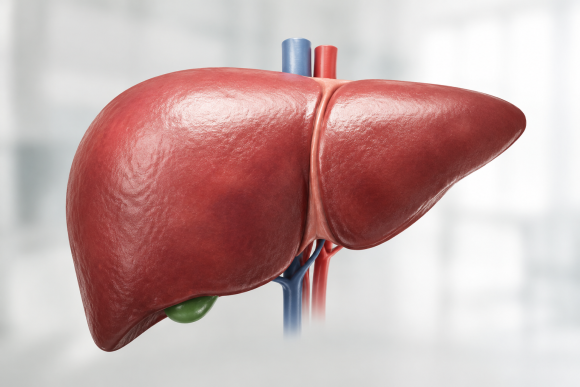
The liver processes not only the alcohol in alcoholic beverages but also various ingredients in medications and dietary supplements.
When you drink alcohol, the liver has to work extensively to break it down.
If you also take a health functional food that may affect the liver, the burden on the liver may increase.
The U.S. National Institutes of Health’s LiverTox resource describes cases of clinically apparent acute liver injury occurring after the use of products containing garcinia.
Although the reported frequency of these cases is considered low, some progressed to severe acute hepatitis or liver failure.
However, many commercially available diet supplements contain a mixture of several ingredients, so it is difficult to conclude that garcinia alone was the cause in every case.
This is because green tea extract or other herbal ingredients included in the product, medications being taken, and drinking habits may all have contributed at the same time.
Is It Okay to Skip Garcinia on Days You Drink Alcohol?
There is still no medically established standard stating that it is safe to leave a certain number of hours between taking garcinia and drinking alcohol.
The risk of hepatotoxicity cannot be considered to have completely disappeared simply because you did not take garcinia before drinking or immediately afterward.
If you are concerned about your liver health, it is practically safer to avoid taking garcinia during periods when you drink alcohol.
If you frequently attend drinking gatherings, it is a good idea to reconsider whether you need the product rather than continuing to take garcinia.
People who already have elevated liver enzyme levels or liver conditions such as fatty liver disease or viral hepatitis should consult a healthcare professional before taking it.
Extra caution is also needed if you are taking several types of diet supplements, herbal medicines, or pain relievers at the same time.
Symptoms of Acute Hepatitis to Check for After Taking Garcinia
Early liver damage may be found as elevated liver enzyme levels during a health checkup without causing any noticeable symptoms.
However, you should be cautious if you experience unexplained severe fatigue, loss of appetite, nausea, or vomiting.
Pain in the upper right abdomen or urine that becomes as dark as cola may also be associated with liver abnormalities.
You should also watch for jaundice, in which the whites of the eyes and the skin turn yellow, or stool that becomes unusually pale.
If these changes occur, it is advisable to stop taking garcinia and any other health functional foods you are using and seek medical attention promptly.
However, do not stop taking prescribed medications on your own; follow the guidance of a healthcare professional.
Which Liver Tests Should You Check?
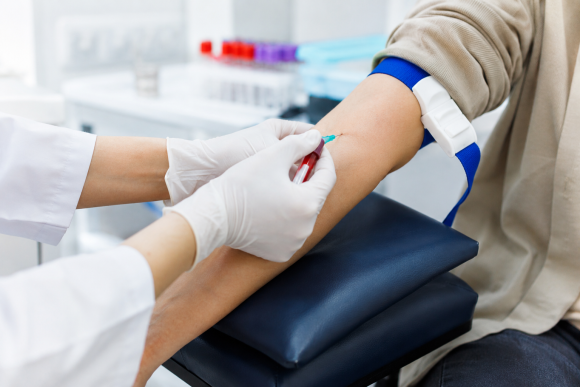
When checking liver status, AST and ALT levels are mainly examined through blood tests.
AST and ALT are enzymes that may increase in the blood when liver cells are damaged.
Gamma-GTP is another value checked in connection with alcohol consumption or bile duct problems, and bilirubin levels may also be examined when jaundice is suspected.
Elevated test results do not necessarily mean that garcinia or alcohol is the cause.
Because various factors, including fatty liver disease, viral hepatitis, other medications and supplements, and strenuous exercise, can affect the results, they should be interpreted together with a healthcare professional.
Garcinia is a health functional food that is easy to purchase, but it is not an ingredient that is free of side effects for everyone.
Acute liver injury cannot be considered a common side effect, but actual adverse cases have been reported, and the Ministry of Food and Drug Safety has added precautions regarding use with alcohol.
Therefore, if you are taking garcinia, it is safest not to take it together with alcohol.
People who normally have elevated liver enzyme levels or liver disease, as well as those taking several diet supplements together, should be especially cautious.
If you develop unusual symptoms such as fatigue, vomiting, dark urine, or jaundice after taking it, do not dismiss them as simple hangover symptoms; it is advisable to get tested.
More important than diet supplements are a balanced diet and consistent physical activity. Health functional foods should be approached as a means of supplementing these efforts.