Hello.
I’m Director Oh Young-ju of Hongdae Oblivu Clinic.
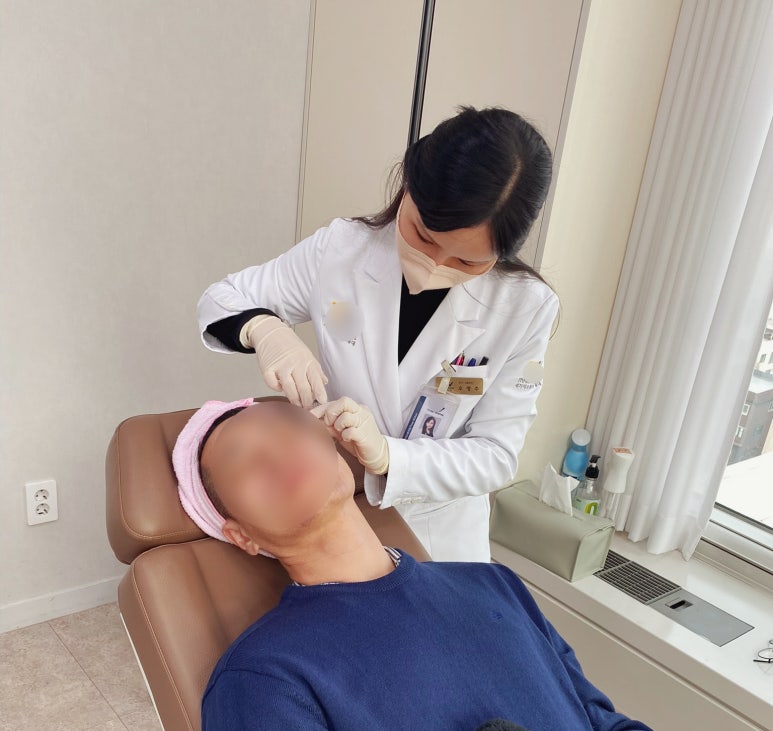
"My skin looks dull and dry. What procedure would be good?"
"There are many other skin boosters too.
Would Juvelook be right for me?"
If you’re reading this today, I think you may have these kinds of concerns.
Each time you look in the mirror, if your skin no longer feels like it used to,
or if fine lines are increasing and skin elasticity is declining so that cosmetics alone no longer seem enough,
you naturally start considering skin booster procedures like Juvelook.
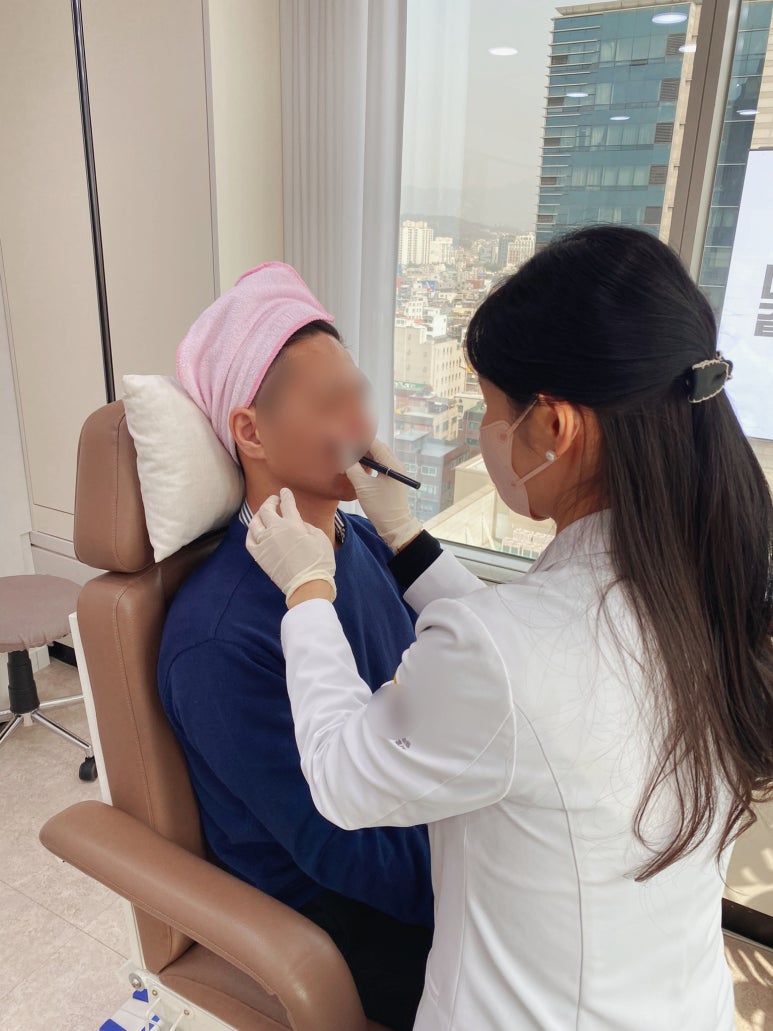
However, even with the same product, the effect can vary depending on your skin condition and concerns,
so it is very important to understand these differences properly when choosing a procedure.
For example, the appropriate procedure differs depending on whether you need moisture deep in the skin,
whether you need damaged skin regeneration,
or whether your main concern is loss of elasticity.
Today, I’ll go over how Juvelook works on the skin, which skin types and concerns it may be suitable for,
and what you should carefully consider before the procedure.
If you are thinking about Juvelook, please take a moment to read carefully.
What is Juvelook?
Differences from Other Fillers & Skin Boosters
Uijeongbu Juvelook, an A to Z Guide from the Director -1
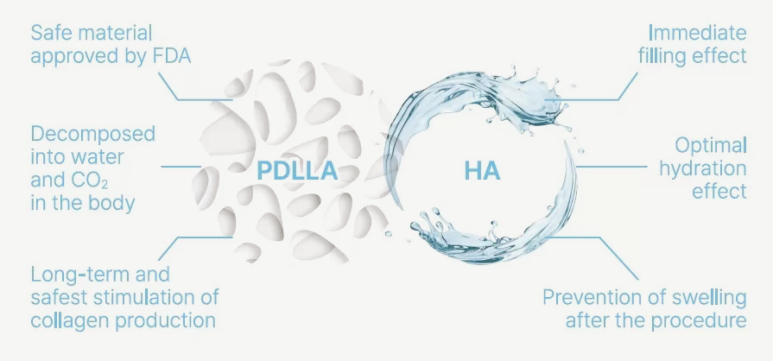
Juvelook is a procedure with a mechanism different from that of ordinary fillers or skin boosters.
Its main ingredient is PDLLA (poly-D,L-lactic acid),
which helps induce collagen production within the skin and naturally improve skin elasticity.
This is a different concept from fillers that simply add volume to the skin.
To explain it simply, fillers immediately add volume,
whereas Juvelook is a procedure that helps the skin gradually restore its natural elasticity over time.
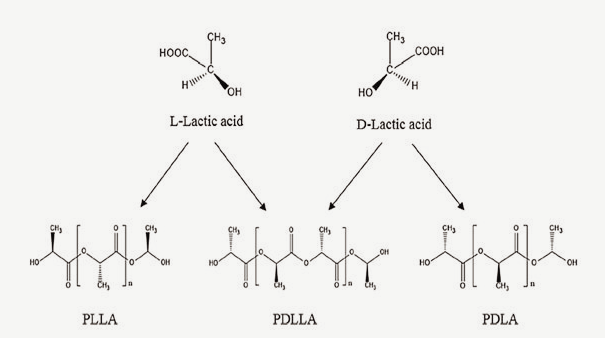
PDLLA is in the same category as Sculptra (PLLA),
and as it slowly breaks down in the skin, it promotes collagen production.
Because of this, you can expect the skin’s elasticity to improve naturally over time.
In other words, Juvelook is not simply about “filling,”
but can be seen as a procedure aimed at improving the fundamental structure of the skin.
Which Cases Are Suitable for Juvelook?
Uijeongbu Juvelook, an A to Z Guide from the Director -2
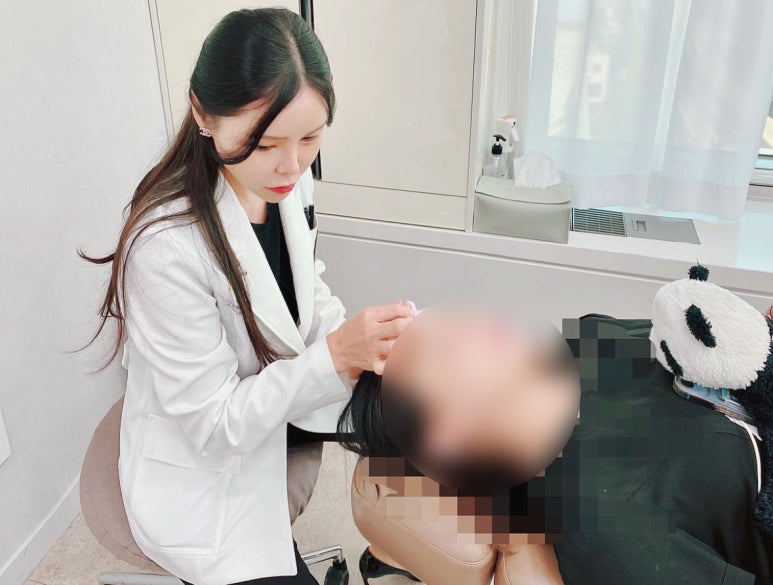
Because Juvelook is intended to naturally improve skin elasticity and volume,
it is recommended in the following cases.
- When skin elasticity has decreased and lifting is needed
As we age, collagen in the skin decreases and elasticity declines,
which naturally leads to sagging.
Juvelook may help compensate for this collagen loss and restore elasticity from within the skin.
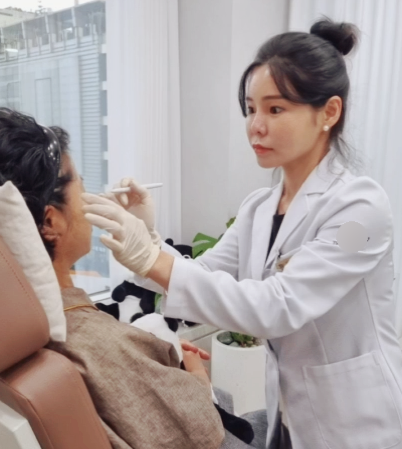
- When artificial-looking volume feels uncomfortable
Unlike fillers or fat grafting,
Juvelook works by gradually promoting collagen production within the skin,
so it is suitable for people who are concerned about excessive or unnatural volume.
Its advantage is that it can improve the face naturally without making it suddenly look swollen or artificial.
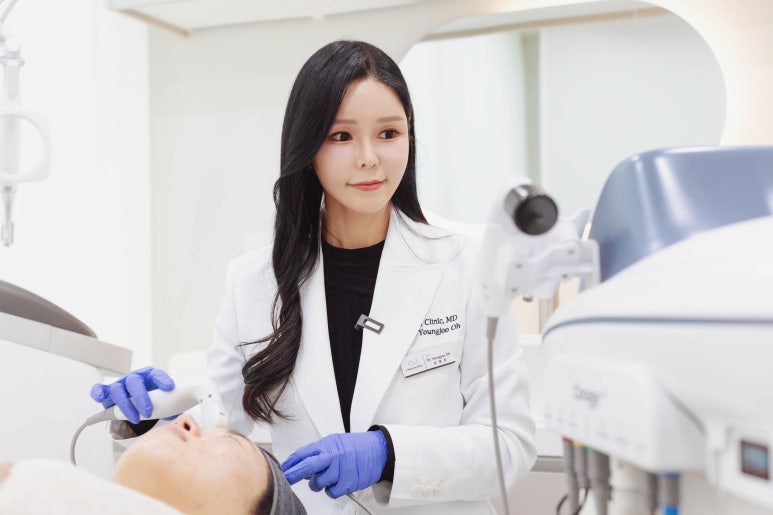
- When you want to improve skin texture and overall skin condition
If the goal is not simply to smooth wrinkles or add volume,
but to improve the texture of the skin itself, Juvelook can be a good choice.
Over time, the skin tends to feel firmer and healthier.
Points to Be Careful About When Deciding on Juvelook
Uijeongbu Juvelook, an A to Z Guide from the Director -3
Juvelook is an effective procedure,
but there are several important things to check for a safe and satisfying result.
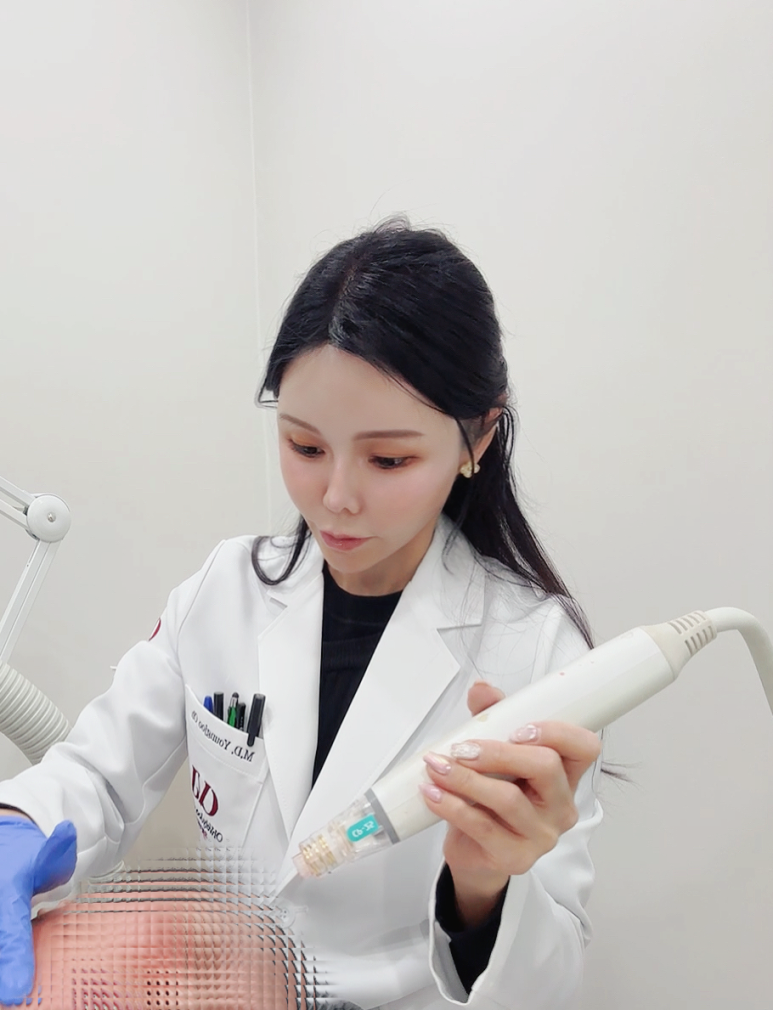
First, choose an experienced medical professional.
Juvelook is not just about adding volume;
because it is a procedure that induces collagen production within the skin, the practitioner’s skill and experience are important.
The desired effect can only be achieved if it is injected at the proper depth and in the correct area,
and if too much is injected, it may instead lead to an uneven result.
Second, rather than expecting immediate change, you should wait for gradual improvement.
Juvelook is not a procedure that provides an immediate volumizing effect like fillers.
It takes time for collagen to be produced within the skin,
and in general, gradual changes can be felt about 3 to 4 weeks after the procedure.
Since the effect appears later, it also tends to last a long time, and in many cases it lasts more than a year ^^
Third, aftercare is important.
After the procedure, avoid excessive massage,
and be sure to manage moisture carefully and apply sunscreen thoroughly to help skin regeneration.
It would also be good to consider setting up additional treatment plans as needed through regular consultations, right?

Juvelook is a procedure that, rather than producing immediate effects,
helps strengthen the skin’s natural recovery ability and gradually improves elasticity over time.
If you want skin that is healthier and more vibrant than it is now,
considering Juvelook can be a good option.
But please don’t forget that the most important thing is to understand your own skin condition properly and find the procedure that suits you.
I hope today’s post was of some small help in your careful decision-making.
Thank you for reading this long post.
This was Director Oh Young-ju :)
<Inquiry>
<Directions>�









Previous image
Next image
Uijeongbu Juvelook, an A to Z Guide from the Director
Uijeongbu Juvelook, an A to Z Guide from the Director
Uijeongbu Juvelook, an A to Z Guide from the Director
Uijeongbu Juvelook, an A to Z Guide from the Director