Hello,
I’m Director Oh Young-ju of Hongdae Oblige Clinic.
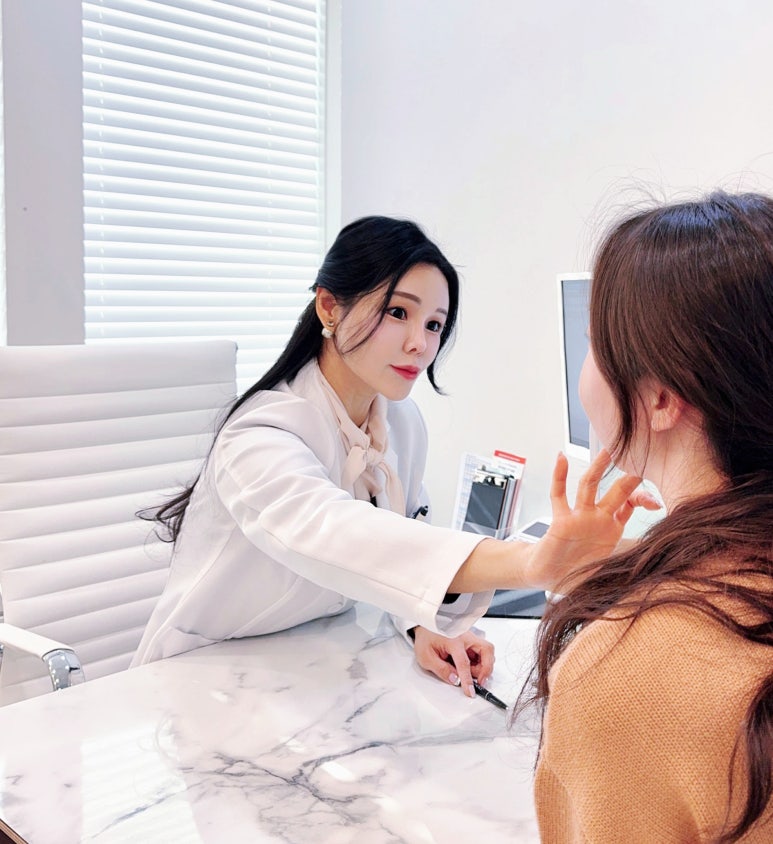
If you keep noticing spots, melasma, and uneven skin tone becoming more visible every time you look in the mirror,
we naturally start thinking about dermatology procedures.
Then one day, you may have heard that “pico toning is good for improving pigmentation” and even searched for it,
but some reviews praise its results, while others say they “didn’t feel much difference,” which can make things even more confusing.
“So, does pico toning
actually work or not?”
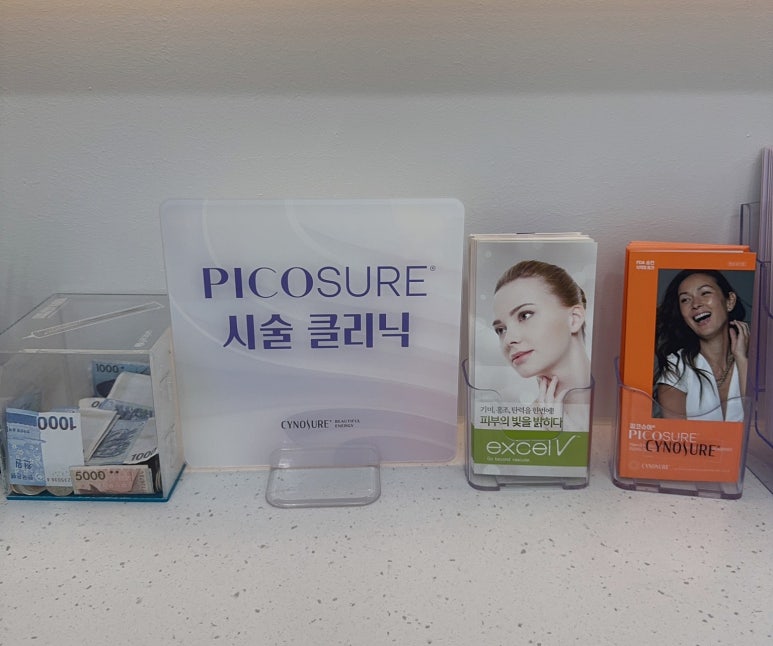
In fact, even with the same procedure, each person’s skin condition and the cause of pigmentation differ,
so it may bring a clear change for one person, while for another it may not seem to make much difference ^^;
So how can you tell whether pico toning is effective for you?
Today, I’ll explain step by step how pico toning works, which skin types it is effective for,
and what you should be careful about after the procedure.
If you’ve heard somewhere that pico toning is good but are not sure whether it’s actually necessary for your skin,
this article should help. Please pay close attention for a moment!
What Is Pico Toning?
– How It Differs from Conventional Toning
Ewha Womans University Station Dermatology, Pico Toning Explained in One Shot. -1
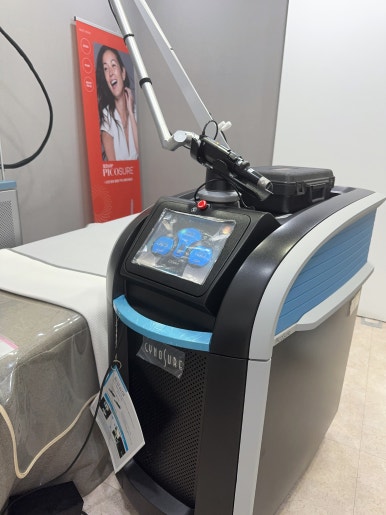
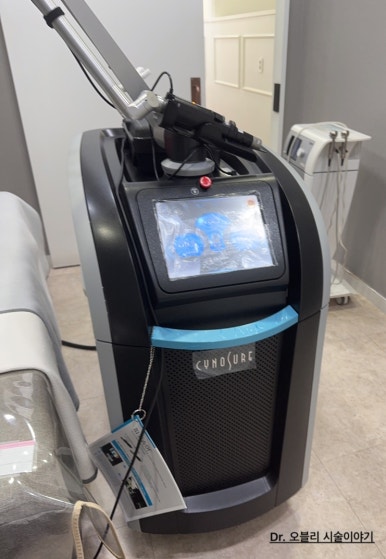
Pico toning, simply put, is a more advanced type of device than conventional laser toning.
While conventional lasers deliver light in nanoseconds (one billionth of a second),
pico toning breaks down pigment in ultra-fine increments in picoseconds (one trillionth of a second), allowing for faster and more effective treatment.
Why does the unit of light delivery matter?
Conventional nanosecond laser methods generated a lot of heat during the process of breaking down pigment, which could irritate the skin.
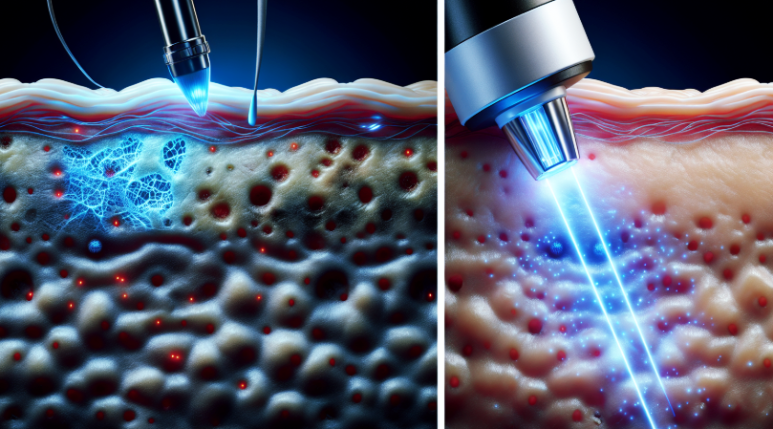
By contrast, pico toning delivers strong energy in a very short burst, minimizing skin damage while breaking down pigment more precisely.
Thanks to this, pico toning can be expected to help not only with melasma, spots, and pigmentation,
but also with pore reduction and improving skin texture.
It is also known as a treatment with a shorter treatment period than conventional toning, making it suitable even for busy office workers.
Skin Types for Which Pico Toning Is Effective
vs. Cases Where It Is Not Recommended
Ewha Womans University Station Dermatology, Pico Toning Explained in One Shot. -2
 So, you may be wondering, “Is pico toning effective for everyone?”
To get straight to the point, there are cases where it is recommended and cases where it is not, depending on the skin condition.
In general, pico toning is recommended for people concerned about melasma, spots, and pigmentation.
When the skin tone looks dull and uneven pigmentation starts to stand out, it can be considered if you want clearer, cleaner-looking skin.
It may also help if you want smoother skin because your pores are enlarged and your skin texture has become rough.
If you did not see much improvement with conventional laser toning, pico toning may be a new alternative.
On the other hand, there are cases where it is not recommended.
If you have severe inflammatory acne, treatment to calm the inflammation first is a higher priority than pico toning.
Because pico toning is a procedure aimed at improving pigmentation, it may instead irritate active red inflammation.
Also, if your skin is excessively sensitive or thin, redness may last longer after the procedure.
In particular, if the issue is not simple pigmentation but conditions such as nevus of Ota or acquired melanocytic pigment disorders,
more precise diagnosis is needed, so sufficient consultation with medical staff is essential.
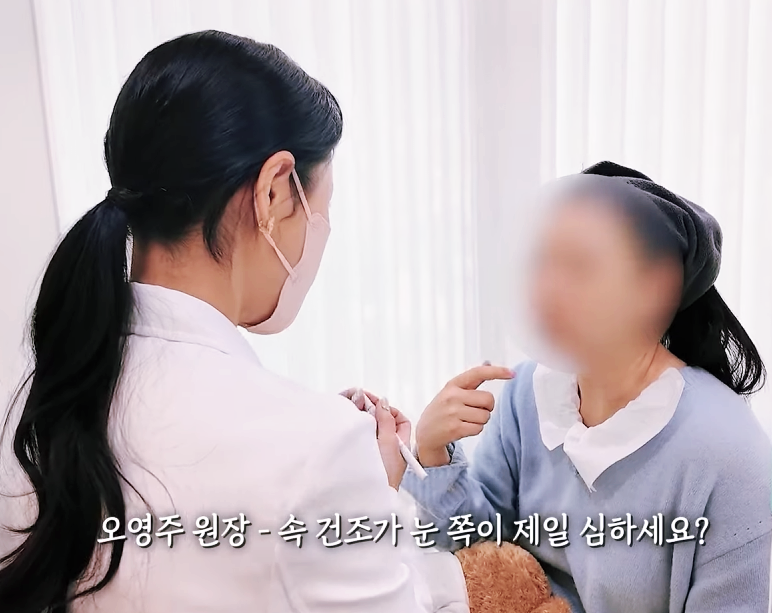
As such, pico toning does not have the same effect for everyone,
so it is important to carefully choose after accurately understanding your own skin condition and goals.
Finally, let’s take a look at precautions during treatment together. ^^n
| Pico Toning Precautions During Treatment 1. Sun protection after the procedure is a must! After pico toning, the skin may become temporarily sensitive. In particular, because the pigment is broken down, the skin surface becomes more sensitive, so sun protection is essential. If you are exposed to strong sunlight after the procedure, pigmentation may form again, so be sure to apply sunscreen with SPF 50 or higher. 2. Do not expect too much! It is difficult to expect a dramatic change from just one pico toning session. Although it varies depending on the individual’s skin condition, in general, pigmentation is effectively removed only after consistent treatment of four to five sessions or more. The skin needs time to recover after treatment, so rather than making a hasty judgment, it is important to receive treatment at regular intervals. 3. Choose a clinic with plenty of experience Pico toning requires very careful adjustment of laser energy. If inexperienced medical staff deliver overly strong energy, the skin may be irritated; on the other hand, if the energy is too weak, the effect may be reduced. It is best to receive treatment safely after 충분히 consulting with medical staff who have extensive treatment experience. |
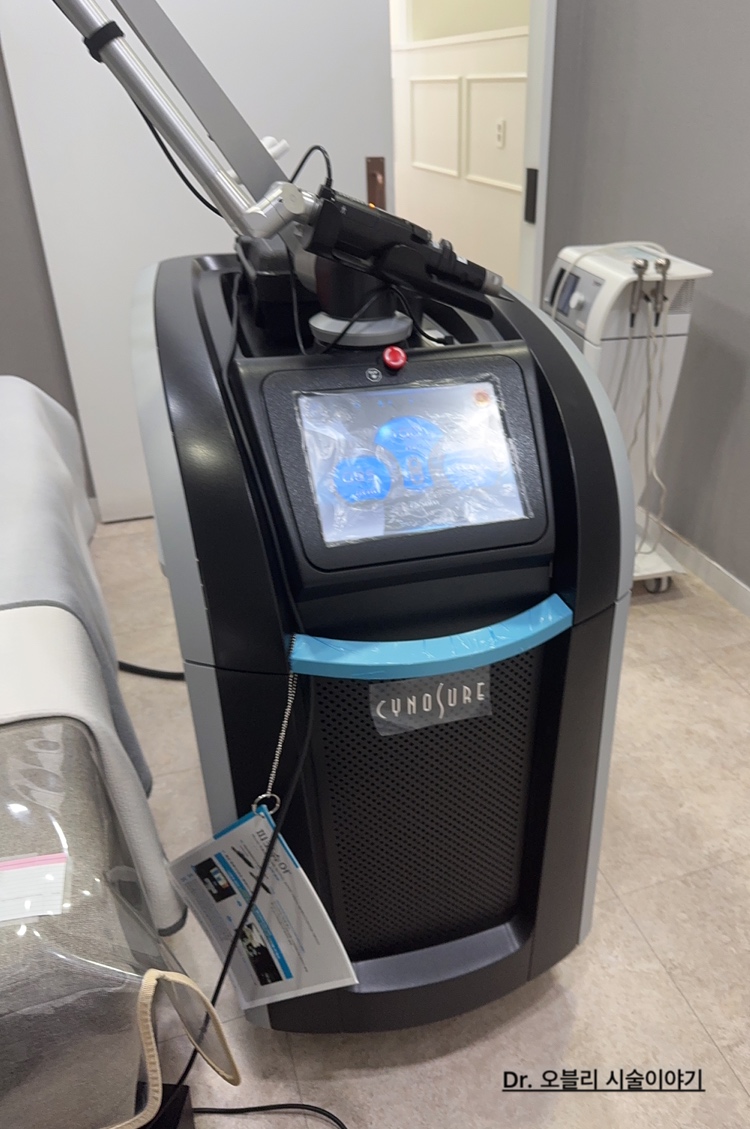

Pico toning is a procedure that is effective for improving pigmentation and skin texture, but it is not automatically suitable for everyone.
Rather than relying on advertisements or reviews, it is smartest to accurately understand your skin condition and decide after 충분히 consulting with a specialist.
Instead of expecting that “one treatment will make my skin perfect,”
please remember that steady care and the right choice are the surest way to healthy skin.
That concludes what I prepared.
Wishing you happiness today as well. This was Director Oh Young-ju :)
<Inquiry>
<Directions>








 Previous image
Next image
Previous image
Next image
Ewha Womans University Station Dermatology, Pico Toning Explained in One Shot.
Ewha Womans University Station Dermatology, Pico Toning Explained in One Shot.
Ewha Womans University Station Dermatology, Pico Toning Explained in One Shot.
Ewha Womans University Station Dermatology, Pico Toning Explained in One Shot.