InMode treatment cycle: the factors that affect results and how long they last
InMode lifting is a non-invasive, radiofrequency-based procedure that is effective at improving skin elasticity and reducing fat.
It is widely chosen by people who want to improve facial contours and address sagging skin concerns, and regular management is important to maintain the effects of the procedure.
In this post, we will take a detailed look at the duration of InMode lifting results, the recommended treatment cycle, and how to maximize the effects.
Let’s get right into it!
InMode lifting results and treatment cycle
- How long one treatment lasts
InMode lifting provides an immediate effect right after the procedure, making the skin feel tighter and the contours more defined.
This is because radiofrequency heat energy contracts skin tissue and stimulates the fat layer, reducing fat cells.
However, these immediate changes may be temporary, and the long-term effects appear gradually over several weeks after the procedure.
-Effect of collagen and elastin production
Collagen and elastin production is activated in the dermal layer of the skin, and the effects on elasticity and fine wrinkles can last for about 6 to 12 months.
This period may vary depending on the individual’s skin condition and lifestyle habits.
-Fat reduction (FX mode)
Fat reduction using FX mode works through a process in which radiofrequency heat energy destroys fat cells, which are then removed from the body.
It takes about 3 to 6 months for the fat cells to be eliminated from the body, after which the fat-reduction effect becomes stable.
Because destroyed fat cells do not regenerate, the fat-reduction effect is maintained semi-permanently unless weight is gained. However, since the remaining fat cells can enlarge, weight control and a balanced lifestyle are important.
- Appropriate treatment cycle
InMode treatment cycle
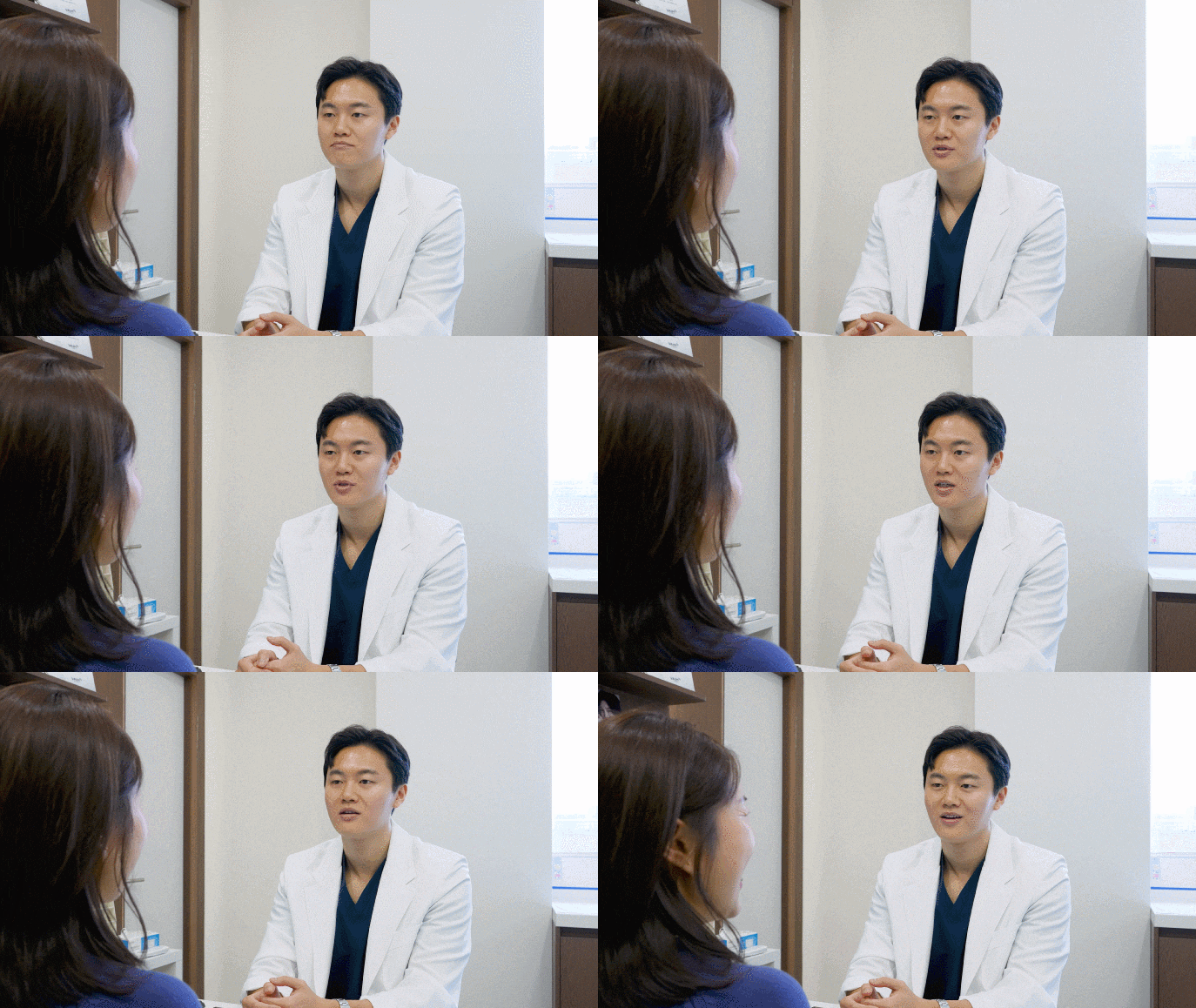
The InMode lifting cycle can be divided into an initial intensive treatment phase and a maintenance phase.
-Initial intensive treatment
To quickly improve skin elasticity and activate fat reduction, three treatments at 4-week intervals are recommended. This is an essential step to stimulate the skin’s collagen regeneration cycle and steadily promote fat-reduction effects.
-Maintenance phase
After the initial intensive treatments, it is appropriate to continue with maintenance treatments once every 6 to 12 months.
-
In your 20s to 30s: Because the skin’s regenerative ability is relatively strong, one treatment per year may be enough to maintain satisfactory results.
-
In your 40s and older: Because skin elasticity begins to decline, maintenance treatments every 6 to 9 months are recommended. This helps support collagen production and is effective in preventing sagging skin.
- Factors to consider when setting the treatment cycle
-Skin condition of the individual
If the skin is thin and collagen production is slow, the initial treatment interval may need to be set shorter. In addition, if the fat layer is thick, it may be appropriate to plan additional treatments focused on FX mode for fat reduction.
-Adjustment according to the goal
If you want immediate changes, you can shorten the initial treatment interval, but excessive treatment should be approached cautiously because it may cause skin irritation and side effects.
-Lifestyle habits
If aftercare is carried out thoroughly with sun protection, sufficient moisturizing, and healthy eating habits, the maintenance period can be extended. On the other hand, smoking, drinking, and stress can interfere with skin regeneration and shorten the duration of results.
- Reasons the maintenance period becomes shorter and ways to improve it
- Main causes of a shorter maintenance period
-Reduced collagen production with age
As you get older, the skin’s collagen production slows down and existing collagen is also lost, so the effects of the procedure may diminish more quickly. This is one of the most common causes of a shorter maintenance period.
-Unhealthy lifestyle habits
Exposure to ultraviolet rays, smoking, drinking, and excessive stress can weaken skin health and shorten the effects of the procedure.
Factors that interfere with skin regeneration can slow recovery after treatment and limit long-term results.
-Lack of treatment technique
A lack of technique at the clinic can also be a cause of a shorter maintenance period.
Radiofrequency energy must be delivered evenly to the proper depth and areas of the skin for the effects to be maximized.
If sufficient time is not taken during the procedure or the individual patient’s skin condition is not considered, energy delivery may be insufficient or uneven, and the results may be less than expected.
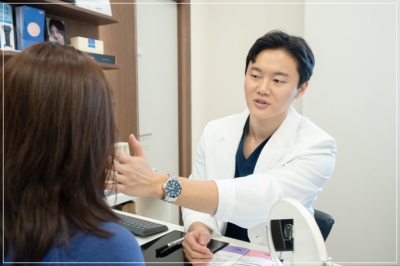
InMode treatment cycle, the factors that affect how long results last
- Ways to improve it
-Adjust the maintenance interval
It is effective to set a shorter maintenance interval depending on age. For example, for those in their 40s and older, it is recommended to have treatments every 6 months or to plan additional initial intensive treatments.
-Thorough aftercare
You should protect sensitive skin by using sunscreen and strengthen the skin barrier through moisturizing care. A balanced diet and adequate water intake play an important role in promoting skin regeneration.
-Choose an experienced clinic
Choosing the right dermatology clinic is very important for InMode.
To maximize results, you should choose a clinic that takes enough time to ensure radiofrequency energy is properly delivered to the skin and that provides a customized approach based on the patient’s skin condition and goals.
Before treatment, it is a good idea to review the clinic’s before-and-after photos or patient reviews and confirm the specific treatment plan during consultation with the medical staff.
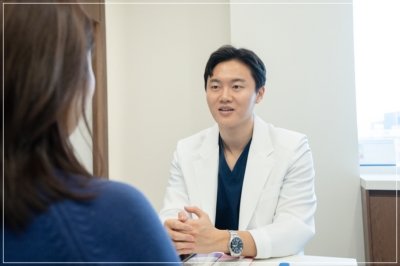
InMode lifting is a radiofrequency procedure that improves skin elasticity and provides fat-reduction effects, and the results can vary depending on the individual’s skin condition and lifestyle habits.
Therefore, it is important to set an appropriate InMode treatment cycle tailored to your skin condition and goals, and to continue with consistent care.
In general, it is worth noting that an initial intensive treatment plan of about three sessions at 4-week intervals is commonly used to maximize results, and after that, additional treatments at 6- to 12-month intervals during the maintenance phase can help sustain the effects.
In addition, please remember that after treatment, sun protection, moisturizing care, and a healthy lifestyle can help maintain the effects for longer, and that it is also important to choose a dermatology clinic that consults with medical staff and creates a customized plan suited to your skin condition.