How to Choose a Skin Clinic in Apgujeong That Does Ultherapy Well
Ultherapy, the celebrity lifting treatment, has already become well known for its effectiveness, hasn’t it?
But the problem is that even when you receive the procedure with the same Ultherapy device, the results can vary greatly.
Because of this, you often hear stories like, “It wasn’t as good as they said,” or “It feels like I just wasted my money.”
The differences in results mainly come from the medical staff’s experience, the consultation process, and the procedure technique.
Ultherapy is not simply a process of delivering ultrasound to the skin. It requires a precise analysis of the condition of each skin layer and the causes of sagging, along with a customized approach.
So in this post, I’d like to explain in detail everything from the principles of Ultherapy to the key conditions needed to get the results people talk about, as well as the points to be careful about.
I sincerely hope this post will be helpful to those who are considering Ultherapy.
The Principle of Ultherapy: Targeting the SMAS Layer with Ultrasound Energy
The principle and effects of Ultherapy in Apgujeong
Ultherapy uses high-intensity focused ultrasound to deliver heat to the skin’s SMAS layer.
The SMAS is a fascial structure that supports the skin. As it loosens and weakens with age, sagging and reduced elasticity occur.
When ultrasound reaches the SMAS layer, heat of 60 to 70 degrees Celsius is generated, causing tissue contraction and deformation.
This process is like pulling a sagging tent taut again, bringing a lifting effect that raises drooping skin.
In addition, the ultrasound heat stimulates the tissue without causing damage, leading to the production of new collagen and elastin. As a result, the skin becomes firmer over time after the procedure, and the natural lifting effect continues.
Conditions That Determine the Principle and Success of Ultherapy
- Customized consultation: The start of treatment is accurate analysis
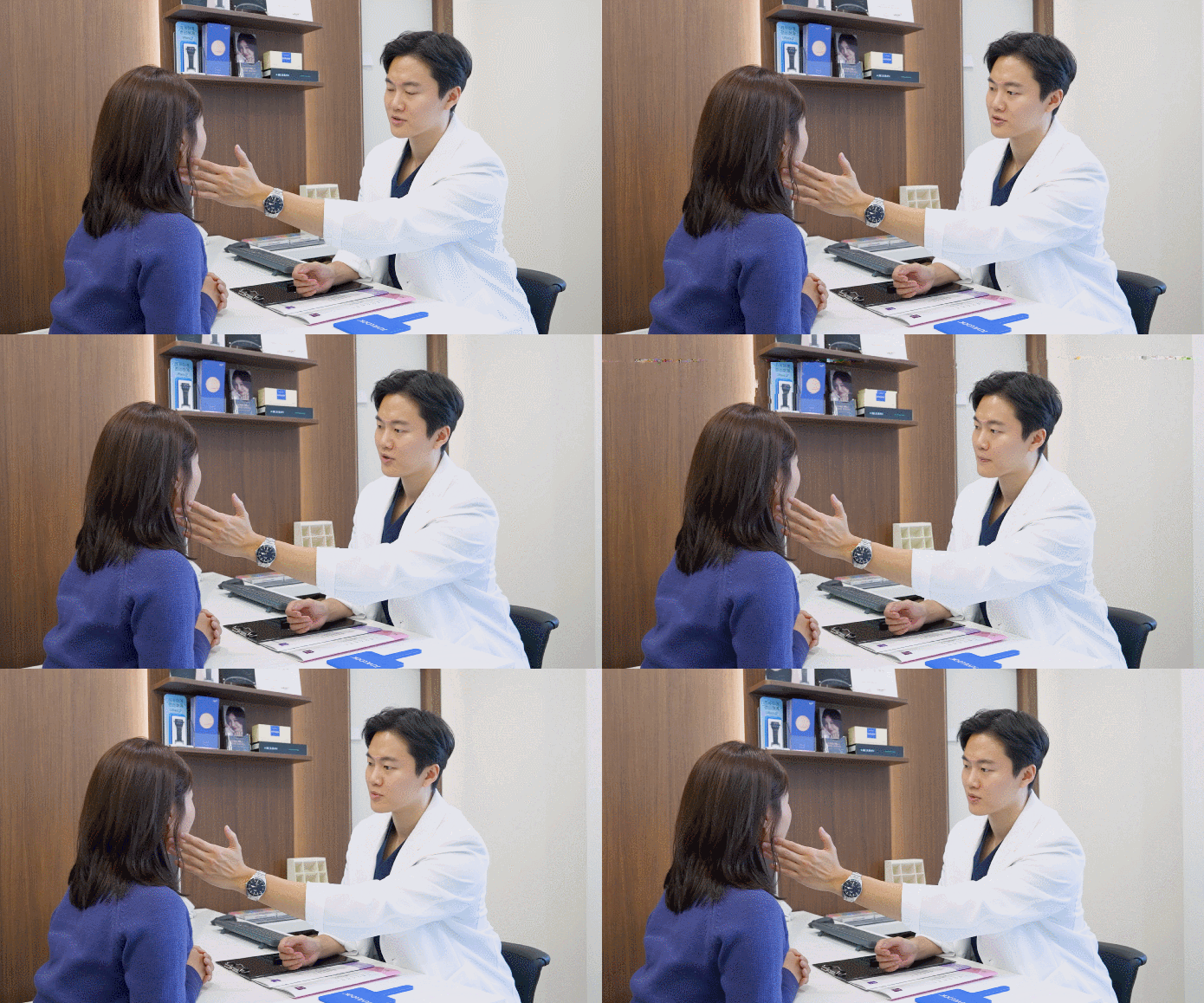
Since the effects of Ultherapy vary greatly depending on the condition of the skin and the degree of sagging, a consultation before treatment is essential. During the consultation process, the medical staff should analyze the following:
First, evaluate skin thickness and elasticity.
If the skin is thin and lacks elasticity, excessive ultrasound energy can cause side effects such as hollowing in the cheeks, so the energy must be delivered carefully. On the other hand, if the skin is thick and the fat layer is well developed, stronger ultrasound may be needed.
Second, identify the areas of sagging in detail.
For example, deep cheeks and the double chin often sag more than other areas, so energy should be delivered intensively.
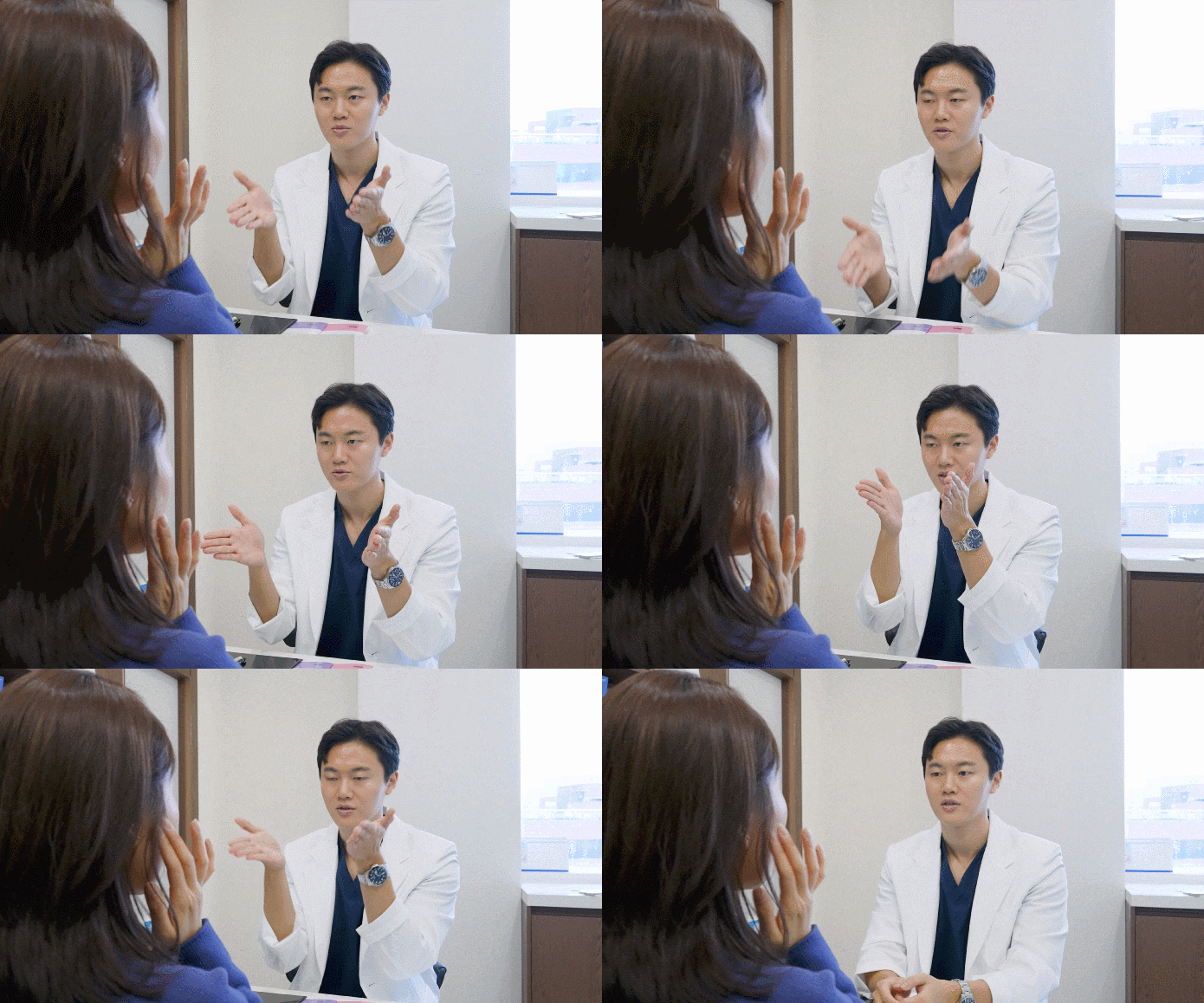
At this stage, the consultation should be conducted while seated so that the degree of sagging can be assessed accurately.
When lying down, sagging areas are less visible, so this difference in posture during consultation has an important effect on the outcome.
Third, the client’s requests must be fully reflected.
Only by accurately understanding the areas the client is most concerned about and the goals they want to improve can a satisfying result be achieved.
Setting a clear budget and post-treatment expectations is also an important part of the process.
- Shot distribution and selective focus of energy
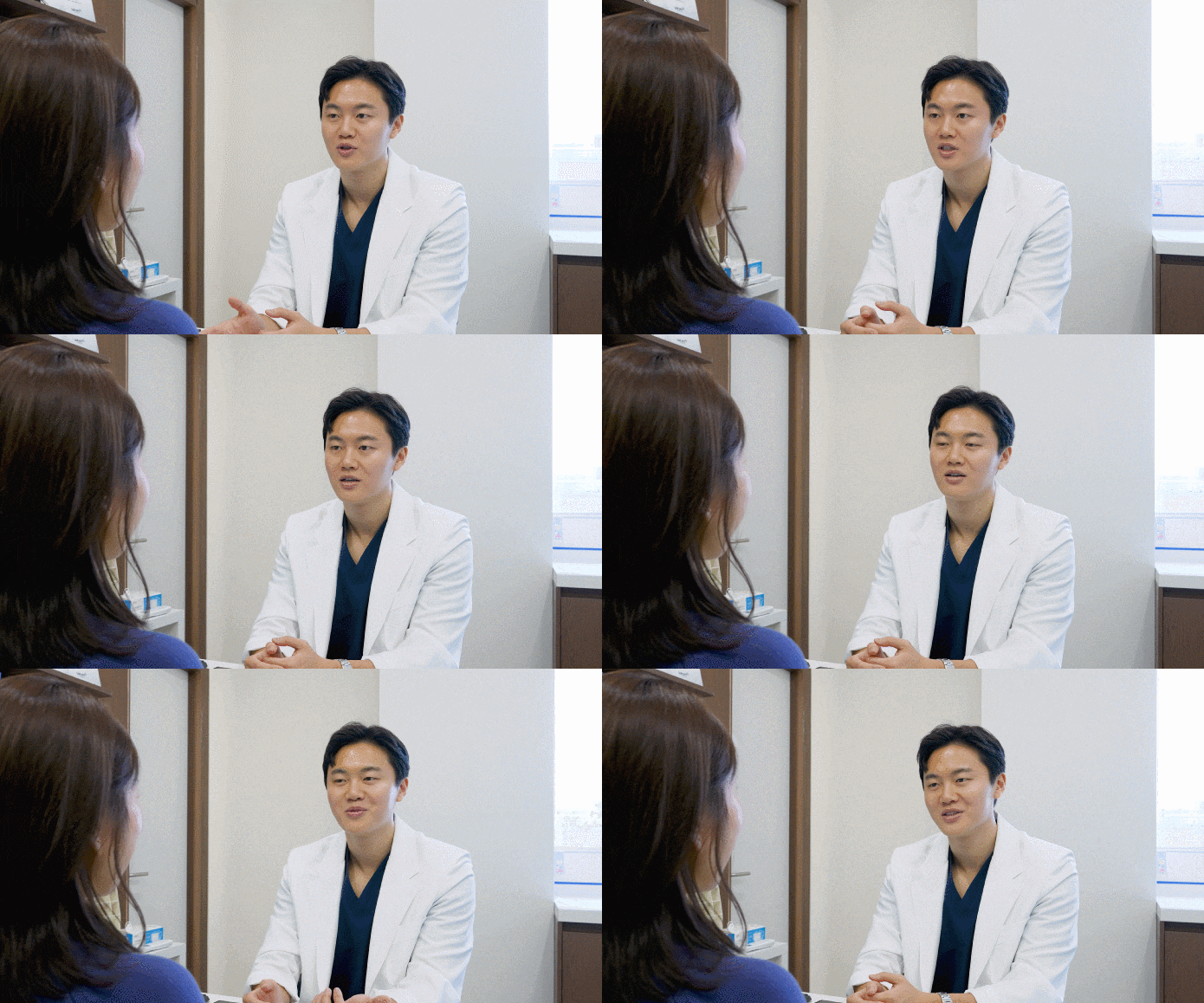
The importance of shot distribution in Ultherapy in Apgujeong
With Ultherapy, it is not about distributing shots evenly across all areas. To achieve the results people talk about, energy must be focused on the important areas.
Areas with more severe sagging require more shots and stronger energy because the SMAS layer there has loosened more.
For example, the deep cheeks and jawline are among the areas that sag most easily due to aging, so repeated ultrasound application is needed to induce SMAS contraction and deformation.
Also, around the mouth and the nasolabial fold area, the shots should be distributed so that both the thin and deep layers of the skin are treated, helping restore overall volume.
In other words, Ultherapy shots should not be distributed evenly; they should be strategically allocated according to each person’s degree of sagging and skin condition.
- Energy delivery according to each skin layer
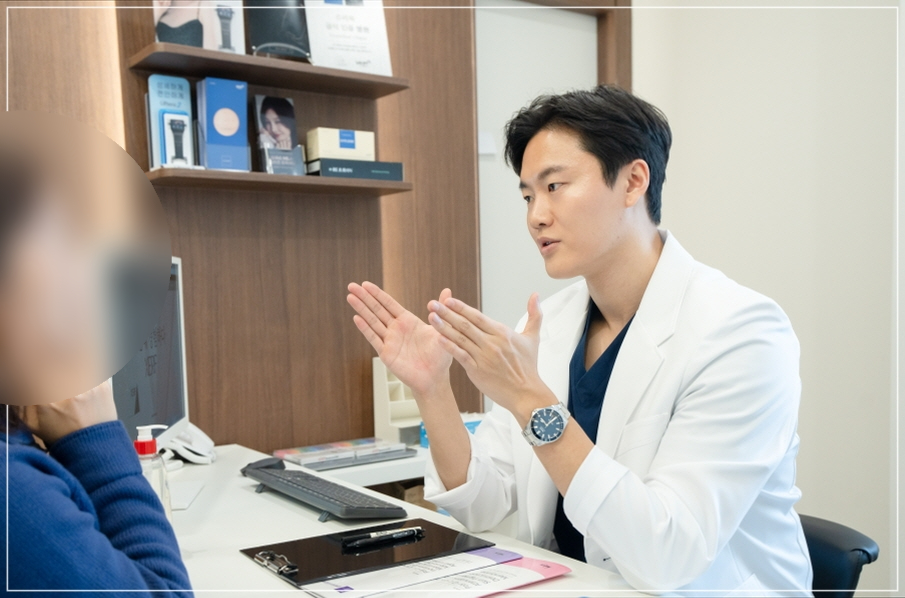
The advantage of Ultherapy is that it can target multiple layers of the skin at the same time, not just a single layer. For results to last longer, ultrasound energy should be delivered not only to the SMAS layer but also to the upper and lower dermis.
Upper dermis (papillary dermis): This layer is important for reducing fine lines and improving skin elasticity. Delivering ultrasound energy activates collagen production, making the skin surface smoother.
Lower dermis (reticular dermis): This layer strengthens the skin structure and increases support. Delivering energy to this layer makes the skin thicker and stronger, which can slow the aging process.
SMAS layer: This is Ultherapy’s main target layer and provides a lifting effect that fundamentally pulls up sagging skin. Concentrated energy delivery to this layer maximizes the lifting effect.
Since each layer has its own function, targeting only one layer may not provide enough lifting effect.
Only by appropriately delivering energy to all layers can you achieve a natural and lasting improvement.
- Using DeepSee technology: Precise targeting with ultrasound
With DeepSee technology, Ultherapy allows real-time confirmation of how ultrasound energy is being delivered accurately into the skin.
DeepSee is one of Ultherapy’s core technologies, since different depths of energy need to be delivered depending on each treatment area.
However, the depth of the SMAS layer differs from person to person, and even within the same person’s face depending on the area.
For example, the SMAS layer along the jawline may be shallower than in the deep cheeks.
By adjusting the pressure applied when pressing the tip, the depth reached by the energy can be finely controlled. If the pressure is too strong, deeper layers may be missed; if it is too weak, the energy may remain only in the superficial layers, reducing effectiveness.
Therefore, the practitioner must accurately identify the position of the SMAS layer through DeepSee, adjust the pressure, and confirm during the procedure that the energy is being delivered properly.
This is one of the most basic parts of an Ultherapy procedure, but also one of the most important, so it is worth emphasizing.
- Maximizing effectiveness by adjusting shot spacing
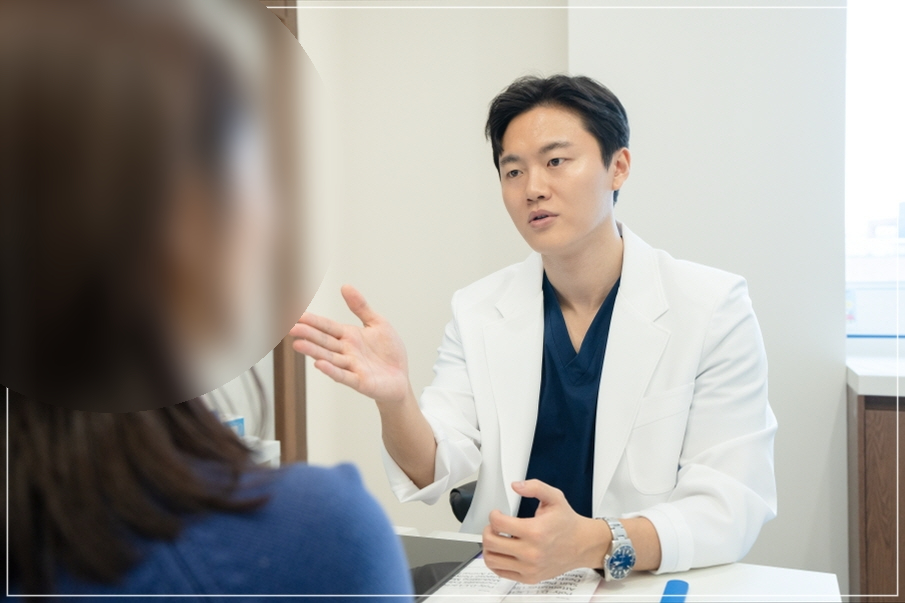
Proper spacing and overlap ratio for Ultherapy in Apgujeong
When delivering shots during an Ultherapy procedure, maintaining proper spacing and overlap ratio is key.
If the spacing between shots is too wide, ultrasound energy may not be delivered evenly, reducing the effect. On the other hand, if the spacing is too narrow, excessive energy may overlap and increase the risk of tissue damage.
Overlapping shots concentrate energy in one area, generating enough heat and thereby changing the SMAS tissue more effectively.
| Step | Main content |
|---|
| 1. Consultation and analysis | Evaluate skin thickness, sagging, and elasticity, and establish a customized treatment plan. |
| 2. Shot distribution | Selectively deliver energy to sagging areas to maximize the lifting effect. |
| 3. Targeting each skin layer | Target both the dermis and the SMAS layer to achieve surface improvement of fine lines and a fundamental lifting effect at the same time. |
| 4. Use of DeepSee | Confirm the energy delivery process in real time for accurate targeting and effective treatment. |
| 5. Spacing adjustment | Maximize effectiveness and minimize side effects through proper shot spacing and overlap ratio. |
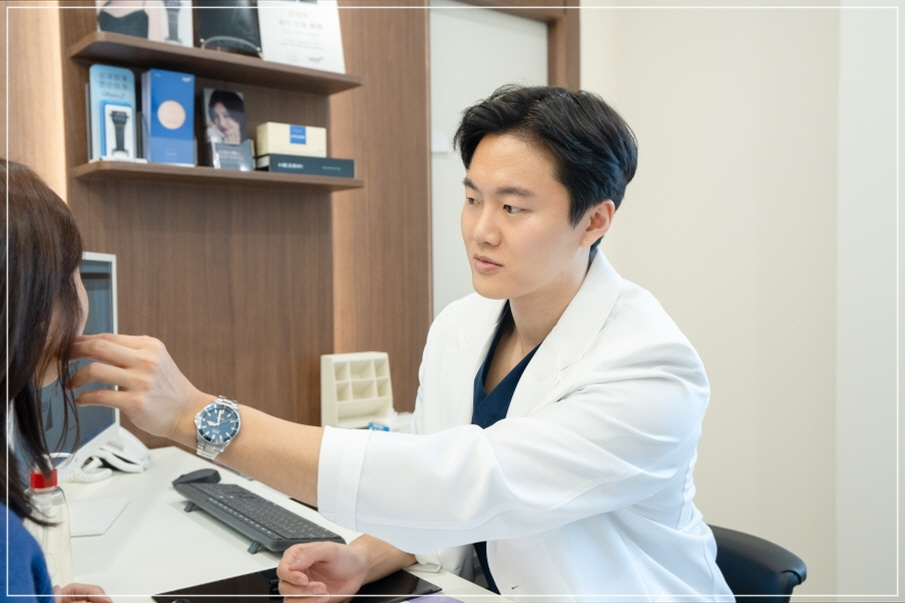
A skin clinic in Apgujeong that does Ultherapy well: 5 conditions
Ultherapy is a powerful procedure that improves elasticity and sagging by addressing the underlying problems of the skin.
However, even when the same device is used, the reason the results differ lies in the detailed care taken throughout the process, from consultation to the procedure itself.
Therefore, when choosing a clinic for Ultherapy, please at least check whether all of the points mentioned above in the main section are being carefully followed.
Ultherapy relies much more on the doctor’s skill than you might expect.
Please keep this in mind. Thank you.