I am Dr. Park Tae-o, chief director of Relieve Clinic, dedicated to reducing pain and creating natural beauty.
Today, I want to write about the Radiesse procedure.
It is one of the procedures I’ve really been liking lately, and it seems to align very well with the direction I pursue, which is natural-looking results.
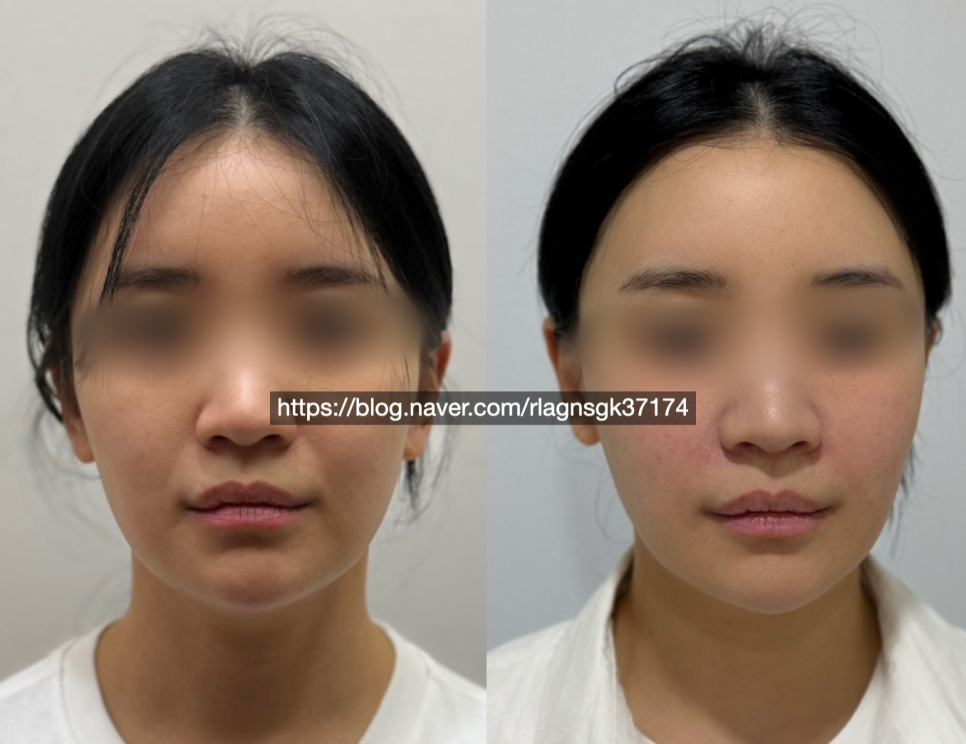
(This person received Radiesse for the nasolabial folds and marionette lines. Unauthorized use is prohibited.)
If you’ve searched for Radiesse, you may have had thoughts like these:
'I’m scared of fillers, but I’m worried about hollow areas like the nasolabial folds, cheeks, and under the eyes.'
'I hear collagen boosters are hot these days—what kinds are there?'
Looking at current procedure trends, many people are seeking treatments that go beyond simply adding volume and instead induce collagen regeneration and improve fullness naturally. These are called collagen boosters, and 대표적인 examples include Radiesse, Sculptra, and Juvelook Volume.
So, how is Radiesse different from filler?
I’ll explain the differences and why Relieve Clinic has made Radiesse one of its main procedures.
Differences Between Radiesse and Filler
1. Radiesse and filler have different ingredients.
General fillers are usually made from cross-linked hyaluronic acid. They create volume immediately upon injection, and that volume remains, lasting for 6 months to over a year.
Radiesse is made of calcium-based material. About 10 years ago, it was used as a calcium filler. However, these days, it seems hospitals no longer use Radiesse as a filler. When this calcium-based material is diluted with water and used, collagen-regenerating cells attach to the calcium particles and get to work. That is how Radiesse has been transformed into a collagen booster.
2. Differences in effect
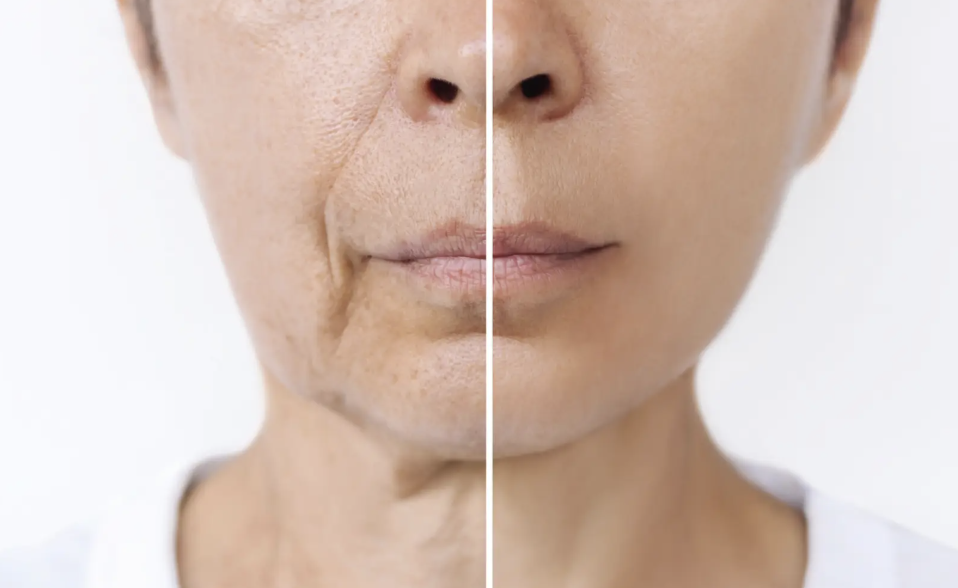
For Radiesse, we generally advise undergoing treatment about 2 to 3 times at 4- to 8-week intervals, then topping up about once a year. During the initial stage of Radiesse treatment, the gel component creates volume, and afterward collagen regeneration begins in earnest. Also, because collagen is being regenerated, it does not simply add volume—the tissue improves and becomes firmer over time.
3. Which is better?

I think this is a matter of preference. Fillers can show immediate results, but some people are reluctant to have an external material injected into the body. In contrast, Radiesse stimulates your own fibroblasts to produce your own collagen. So it can help improve skin texture, elasticity, and density itself.
Radiesse Procedure Method
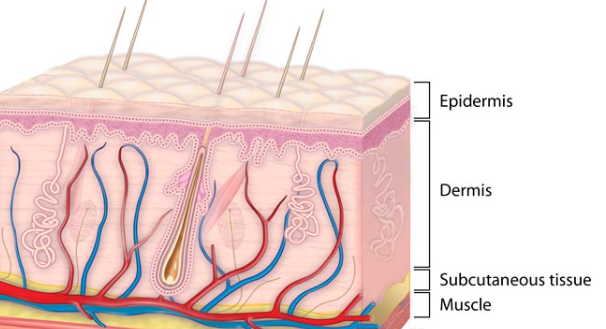
When I perform Radiesse, I separate cases into those for volume and those for overall collagen regeneration. When used for volume, I perform the treatment similarly to filler, with a slightly thicker dilution ratio. If the goal is to regenerate collagen across the face, I dilute it more and apply it more broadly over the face.
And it is very important to place it precisely in the intended layer.
I believe that more than any other procedure, Radiesse requires the injector’s sense of design, understanding of the material’s properties, and pain-control technique.
As someone deeply committed to pain control, I carefully perform nerve anesthesia before the procedure. Most patients leave feeling comfortable.
I’ve explained the differences between Radiesse and filler in a somewhat unstructured way, but I hope this was helpful for deciding on a treatment.