Hello. I’m Dr. Park Tae-oh of Relieve Clinic, which pursues painless treatment.
Today’s topic is probably one many people are curious about: “Is sedation really necessary for Ultherapy?”
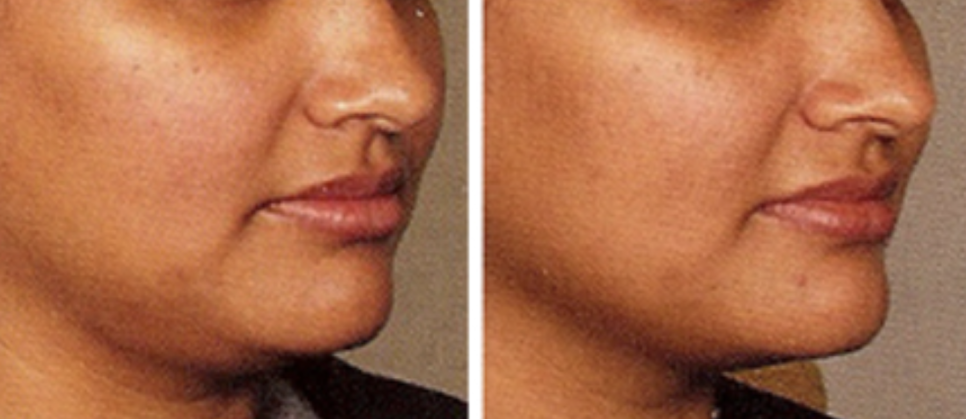
This is a photo excerpt from a paper.
To start with the conclusion: Ultherapy can be done without sedation, and if appropriate pain-control techniques are used, it can be received without too much difficulty.
When I explain it like this, many people don’t quite believe it. In fact, 99% of the people who receive Ultherapy from me leave saying, “Why would you even bother with sedation for this?” However, it is not completely painless. If it were completely painless, that would mean the effect could be reduced.
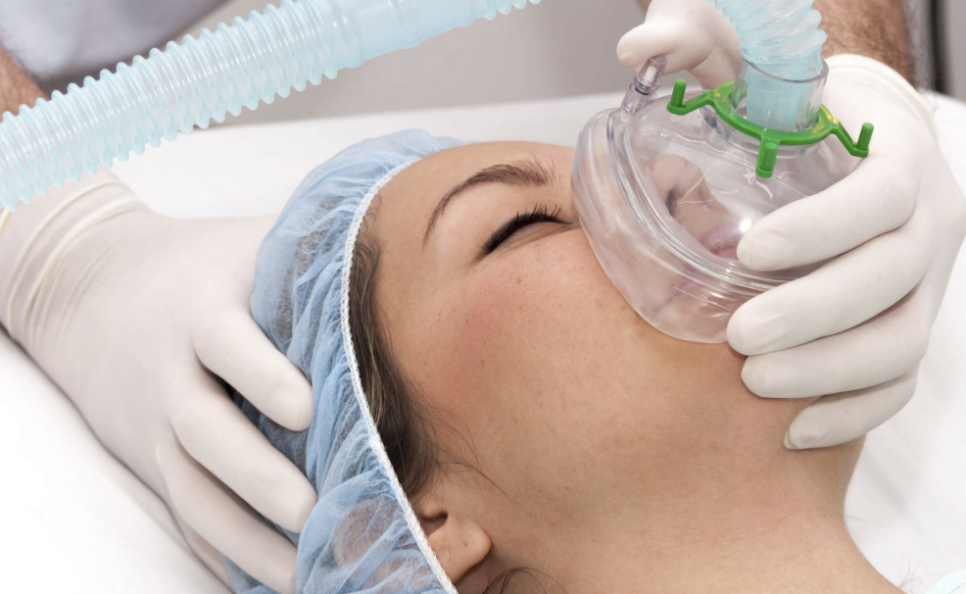
Rather, I tend to think sedation should not be used for Ultherapy or Thermage. From the standpoint of procedural convenience, sedation would be easier for me, but it makes accurate treatment more difficult and creates various risk factors, so I always think, “Is it really necessary?”
Let me explain step by step how I perform Ultherapy without sedation.
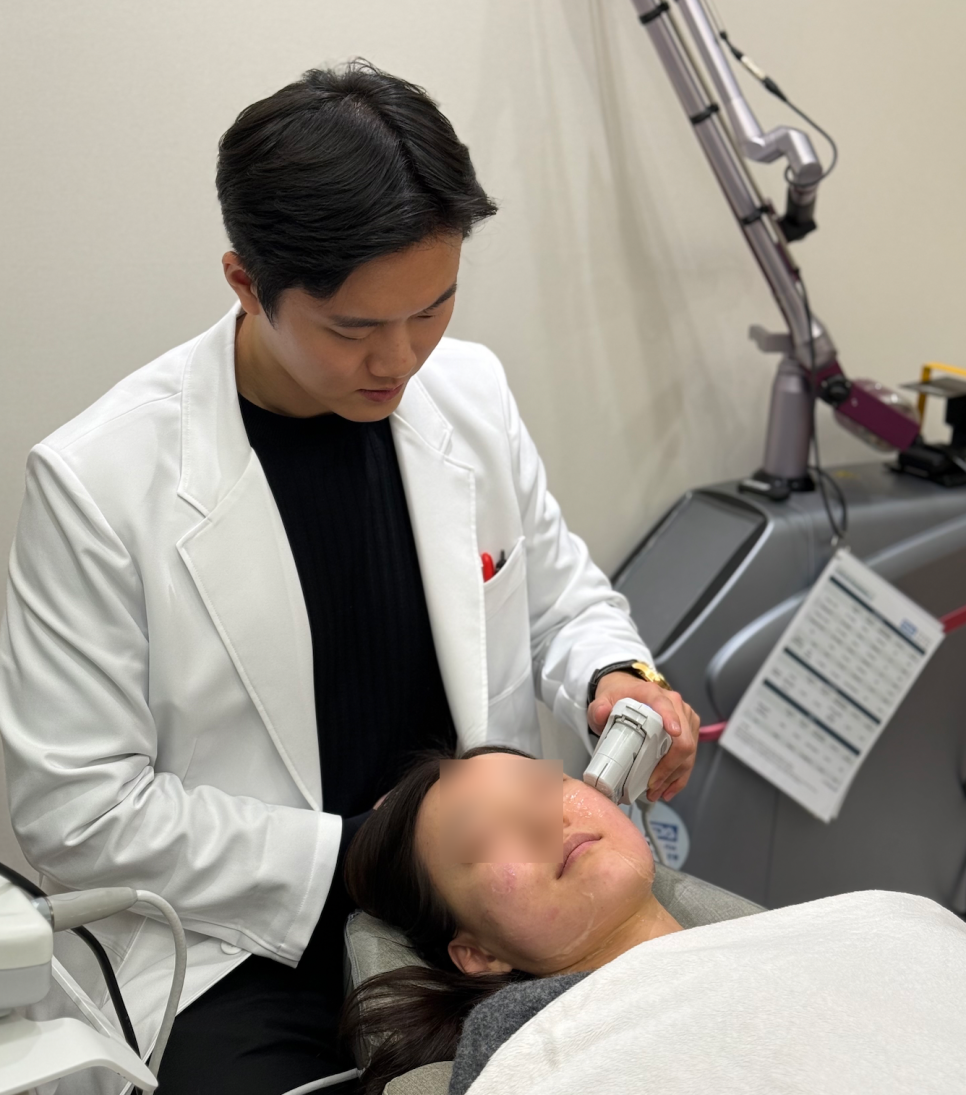
There are roughly five major ways to control pain in dermatologic procedures.
-
Sedation
-
Topical anesthesia (cream anesthesia)
-
Nitrous oxide anesthesia (laughing gas)
-
Nerve block anesthesia
-
Intravenous pain medication
Advantages and disadvantages of sedation for Ultherapy 600 shots / 300 shots
Sedation is a method that reduces consciousness using specific medications. Strictly speaking, it does not block pain; rather, it makes you unable to remember the procedure, creating the impression that you underwent it without pain.
It does have the effect of removing anxiety about the procedure and memories of pain, but the disadvantages are also clear.
-
It can reduce spontaneous breathing and pose a threat to life.
-
In high-risk patient groups, there is a possibility of accidents unless an anesthesiology specialist is present.
-
If movement occurs while unconscious, the precision of the procedure may decrease and the risk of side effects may increase.
In fact, around February to March, there was a heartbreaking accident in Suwon in which a man in his 30s who was receiving sedated Ultherapy lost his life. It is truly tragic.
I’m not sure whether the advantages of sedation are great enough to outweigh those disadvantages. But I also understand that patients are concerned about pain, so I always do my best to uphold my philosophy: “There is no need for pain in becoming beautiful.”
How can you receive Ultherapy without sedation?
Among the pain-control methods above, I tend to use methods 2, 4, and 5 as appropriate depending on the situation. Honestly, I think this alone is enough. Most patients undergo the procedure with only mild pain. (Ultherapy also became much less painful after a software upgrade around 2015.)
If you want Ultherapy but don’t want sedation, find a clinic that pays close attention to pain control, and you may come out thinking, “That was better than I expected?”