Many of you may have heard the term “Botox resistance.” However, I don’t think there are many posts that explain it clearly and thoroughly.
I’ll organize the points I explain during consultations, focusing on information that is easy to understand.
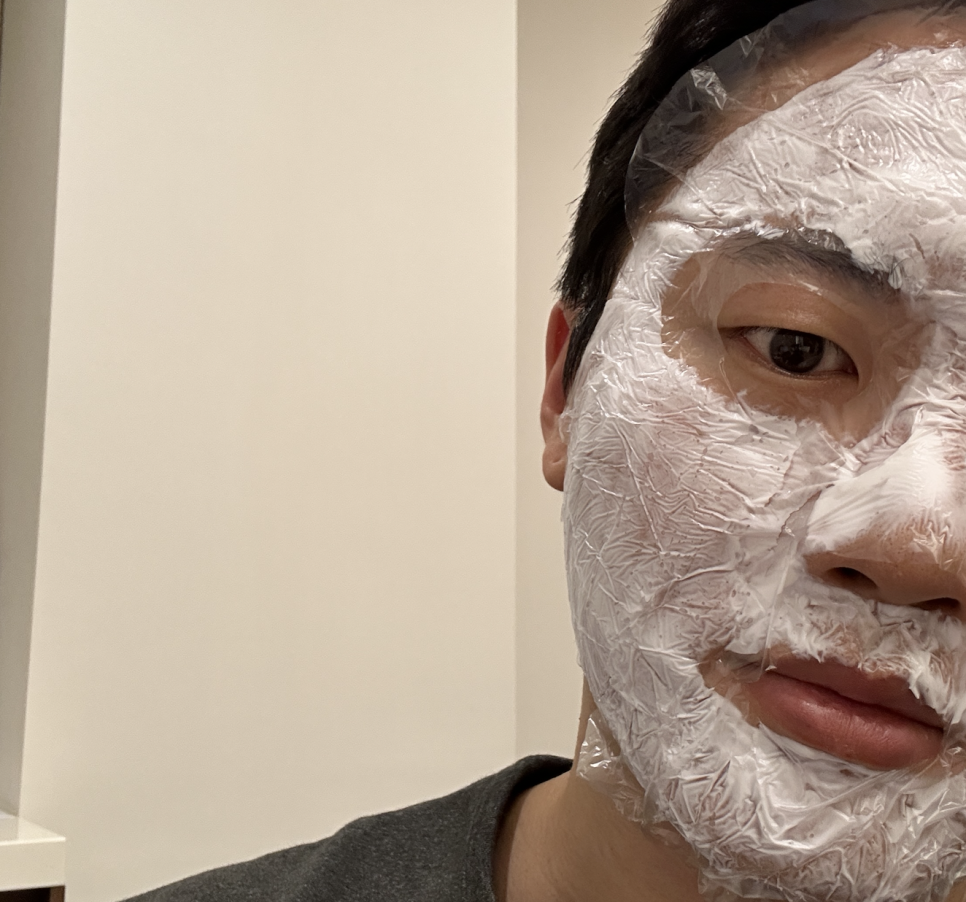
The day of my skin Botox treatment..
During consultations, I often get questions like these:
“ I heard that you can develop resistance if you keep getting Botox. Is that true??”
“Once resistance develops, can you never get Botox again??”
“If I develop resistance from getting Botox in my jaw, is it okay to get it in my forehead??”
The most important point here is that resistance is a matter of probability, so the possibility needs to be ‘managed.’
What is Botox resistance?
Most Botox products sold in Korea contain botulinum toxin type A. It works by inhibiting muscle movement, which helps smooth wrinkles.
However, when this protein enters our body repeatedly, the body tries to defend itself by producing antibodies.
You can think of it as working in a similar way to how antibodies are produced after receiving a vaccine.

If antibodies develop against Botox, the toxin can no longer act on the muscles and is quickly neutralized.
In other words, Botox resistance = a state in which Botox no longer produces an effect.
When is resistance more likely to develop?
-
Purity level: How purely it was manufactured, without impurities
-
Treatment interval: How frequently it was administered (the shorter the interval, the higher the risk)
-
Treatment dose: How much was administered at one time (the larger the dose, the higher the risk)
-
Individual immune response: Differences between individuals
These four factors can be said to be involved in the development of Botox resistance. Of these, the factor that has the greatest influence on resistance is the ‘treatment dose.’
Nabota, Coretox, and Xeomin
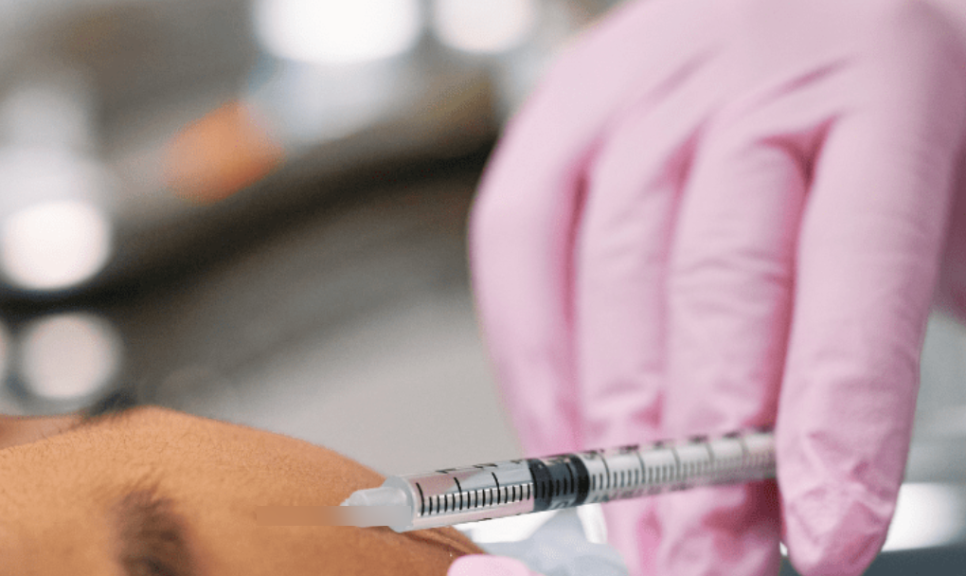
In general, there are relatively inexpensive Korean-made Botox products that may have a ‘slightly’ higher possibility of resistance, as well as products such as Nabota, Coretox, and Xeomin that are advertised as reducing the likelihood of resistance.
Korean-made low-cost products have the advantage of being affordable, but they have limitations when it comes to managing the risk of resistance. However, unless you are receiving a large dose, such as for body Botox, or getting frequent treatments for touch-ups, the probability of resistance is not particularly high.
The representative products designed to reduce the likelihood of resistance are Nabota, Coretox, and Xeomin. If I start discussing complex proteins or antigenicity, it becomes too complicated.. Honestly, I don’t think it makes much difference which of the three you choose. I personally always get Coretox.
How to avoid resistance
-
Leave an interval of at least three months between treatments.
-
If you need to receive a high dose at one time (100–200 units or more), choose a product with a lower likelihood of resistance.
-
Rather than receiving treatment on different days for different areas, have all areas treated on the same day.
-
Avoid unnecessary touch-ups.
If you follow these guidelines, you should not need to worry too much about resistance.
This was Dr. Park. Thank you.