Hello.
I’m Dr. Park Tae-oh from Relieve Clinic, where I always want to perform procedures as painlessly as possible.
“Does nose thread lifting look obvious?”
“About how long does it last, and do you have to keep doing it once you start?”
“Is it true that side effects like visible or palpable threads really happen?”
These are questions that people considering nose thread lifting often ask during consultations.
These questions have something in common.
They are concerns about safety, not just effectiveness, and about whether there will be problems over time.
To get straight to the point, nose thread lifting is a relatively safe non-surgical procedure.
However, saying it is “safe” does not mean you can receive it without any preparation.
To reduce side effects, the most important factor is not the procedure itself, but who designs it and based on what criteria.
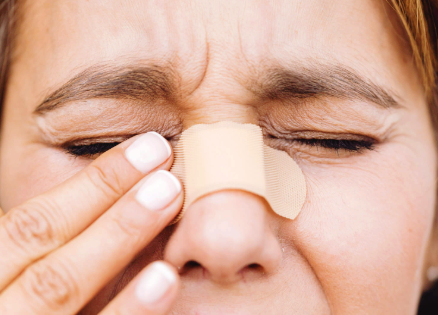
Side effects of nose thread lifting that are actually discussed
Commonly mentioned reactions after nose thread lifting include
visible threads, temporary swelling and bruising, a pulling sensation, and, in rare cases, infection or asymmetry.
However, these symptoms do not occur in everyone.
Depending on whether the skin is thin, what the bridge structure of the nose is like, and whether there is left-right asymmetry, the type, direction, and depth of the thread should all be adjusted.
If this process is not sufficiently considered, it can lead to unnecessary perceptions of side effects.
In nose thread lifting, side effects are less a matter of chance and more a matter of design and skill.

Why can nose thread lifting be an alternative to surgery?
For East Asians, the nose bridge is relatively low, so the center of the face may appear less defined.
There is also the option of nose surgery, but many people hesitate because of the incision, implants, recovery period, and the burden of revision.
Hi-Co thread lifting uses medical PDO threads without an incision to support the structure of the nose bridge and tip and refine the line.
The threads remain in the body for a certain period and then are naturally broken down,
and one advantage is that they are less likely to spread sideways or move around like filler.
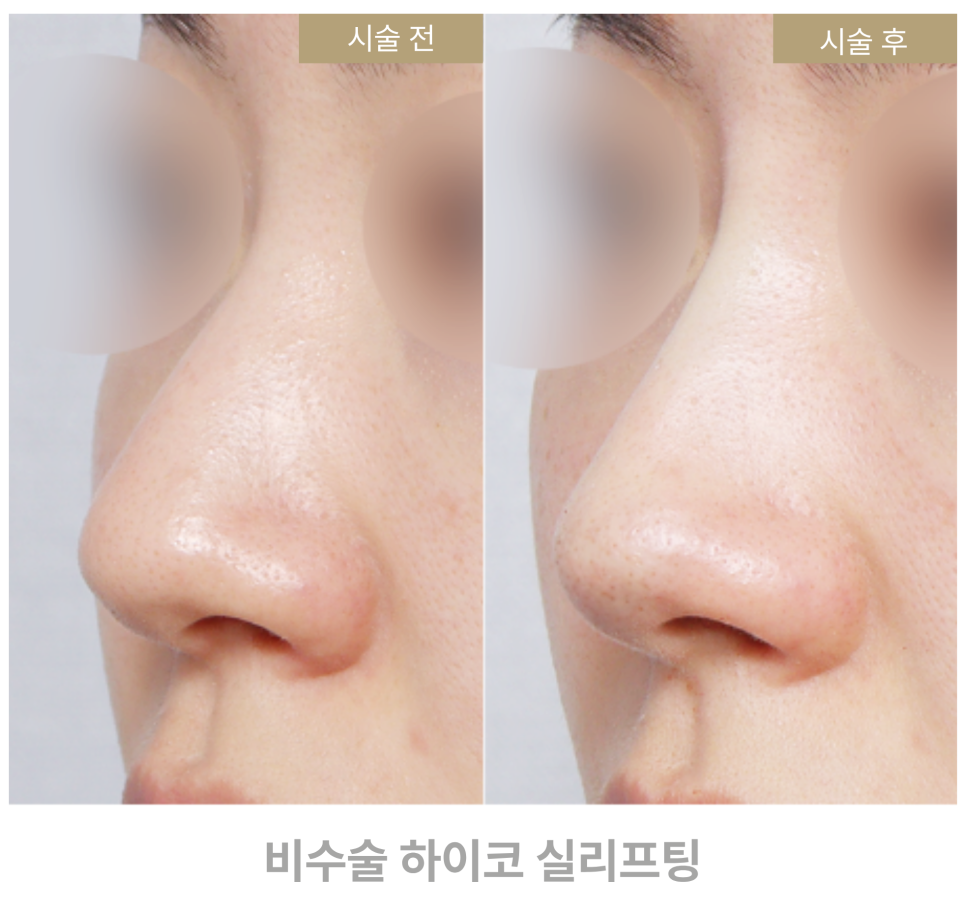
How should the duration of Hi-Co thread lifting be understood?
The duration of Hi-Co varies from person to person, but it is usually thought of as around 6 months to 1 year.
While the threads support the nose tissue, the shape is maintained, and after that they are naturally broken down and disappear without a significant foreign-body sensation.
That said, the perceived duration can vary greatly depending on whether the initial design was done without strain, rather than simply on the number of threads used.
If too much height is created from the start, it may look thick over time or create a burden regarding repeated procedures.
On the other hand, if the approach is taken with the idea of “refining” rather than “raising,” satisfaction with the duration is higher, and future options can be kept broader.

Male Hi-Co: the design and approach criteria are different
Recently, consultations for Hi-Co among men have also steadily increased, and the key point in male nose procedures is not height but the central axis.
Whether the center of the face looks clear from the front,
whether the flow from the forehead to the nose to the mouth looks natural from the side,
and whether the result creates a neat impression without looking obvious are the important criteria.
A method that focuses on organizing the direction rather than excessively lifting the tip tends to be more satisfying for men.
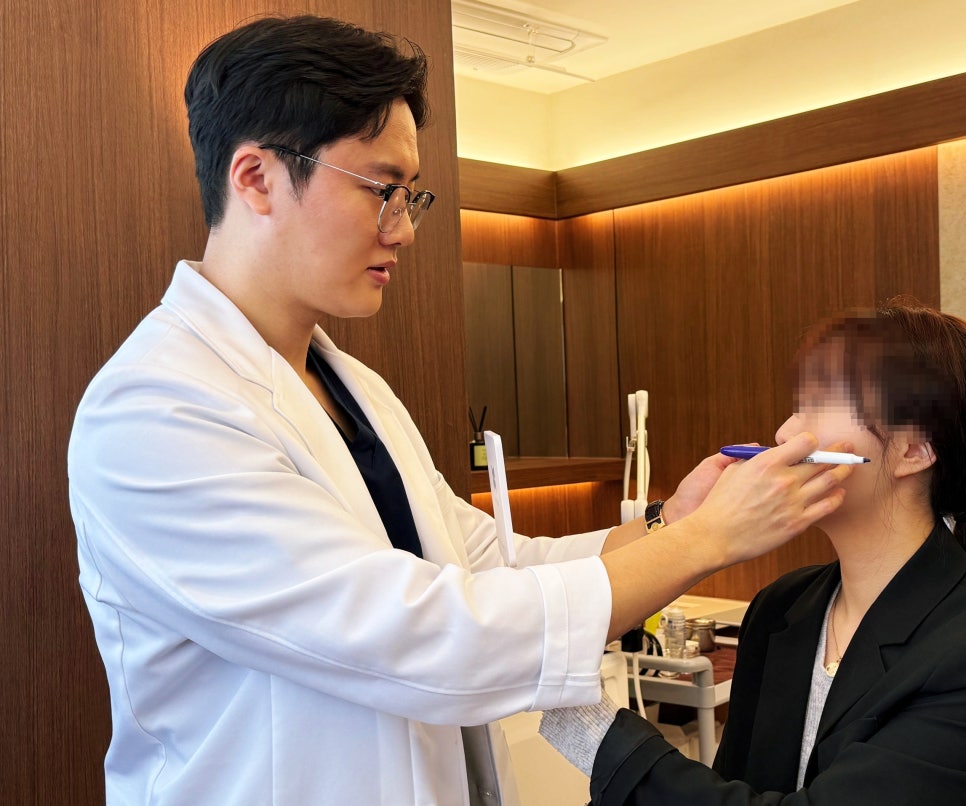
Careful selection is the best prevention
Nose thread lifting is a procedure that can be approached safely.
However, the premise is clear.
You need to accurately understand your nasal structure,
prioritize harmony over excessive desire,
and have sufficient communication with the medical staff.

The nose is the center of the face.
Rather than aiming for a simple change, I hope you will make a careful choice with the goal of naturally refining your overall impression.
Thank you. This was Dr. Park.