Hello.
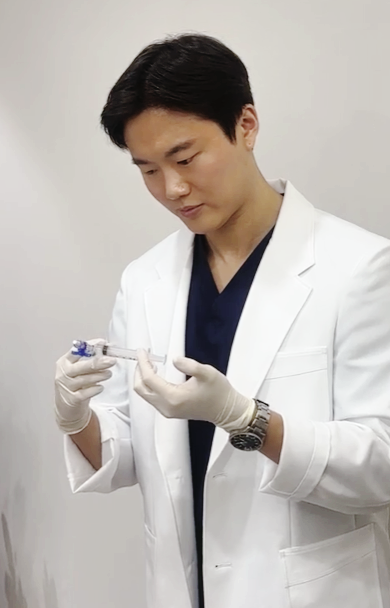
I’m Dr. Taeo Park of Relieve Clinic, and I’m someone who worries that Botox might hurt too.
Before getting jaw Botox, there is something you should definitely pay attention to.
“Isn’t jaw Botox just one injection and done?”
“I heard the results are definite and it’s simple.”
Most people who visit us for a square jaw say this.
In fact, jaw Botox has a short procedure time and relatively low barriers to treatment.
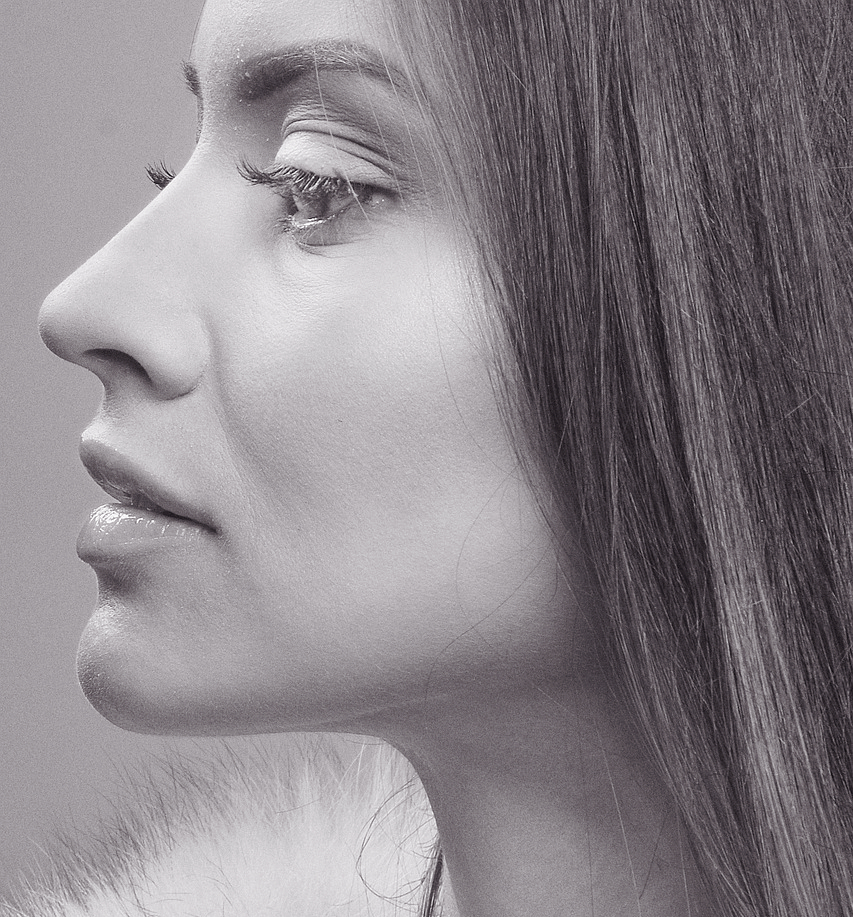
However, just as many people are satisfied with the results,
there are also comments such as,
“My facial expression feels awkward.”,
“I think my cheeks look more hollow...”
I think this starts from differences in how the procedure is viewed.

The essence of jaw Botox is not the ‘line’ but ‘muscle control’
Many people think a square jaw is entirely caused by bone,
but in actual practice, many cases are muscular square jaws caused by overdeveloped masseter muscles.
Jaw Botox using botulinum toxin
temporarily blocks signal transmission between nerves and muscles,
and gradually reduces the strength and volume of the overused masseter muscles.
Through this process, the jawline can appear more refined,
and the strong-looking impression can become much softer.
However,
this change does not appear immediately,
and usually develops gradually over 2 to 4 weeks.
The duration of jaw Botox maintenance is generally about 3 to 6 months, depending on an individual’s chewing habits.
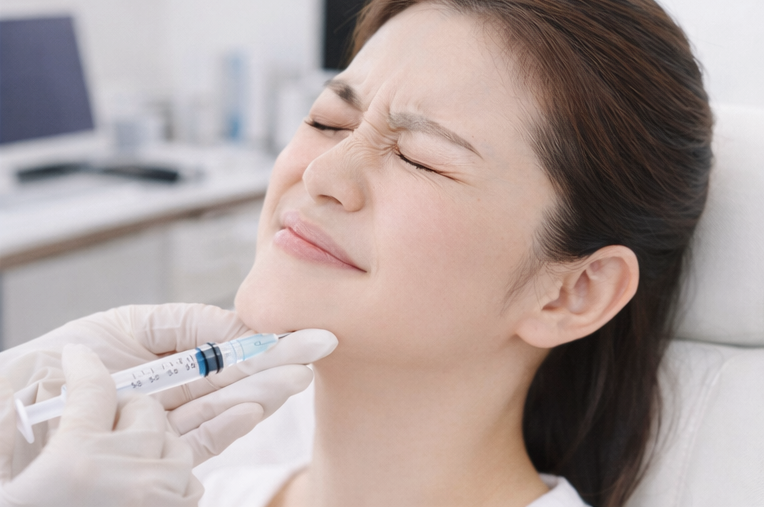
Why the face can look awkward after jaw Botox
“My mouth corners don’t lift well when I smile.”
“My jaw got smaller, but my cheeks feel hollow.”
In most cases, this happens when the muscles are treated without properly distinguishing them.
The masseter muscle extends over a broader area than you might think,
and nearby muscles around the mouth corners, salivary glands, and central cheek area are located very close by.
If the medication spreads beyond the intended masseter muscle,
the facial expression may become awkward, discomfort may occur due to reduced saliva secretion,
and for people who originally have less cheek fat and volume, a “sunken cheek” may stand out more.
That is why jaw Botox is far too insufficient to be done simply as, “It’s a square jaw, so inject here.”
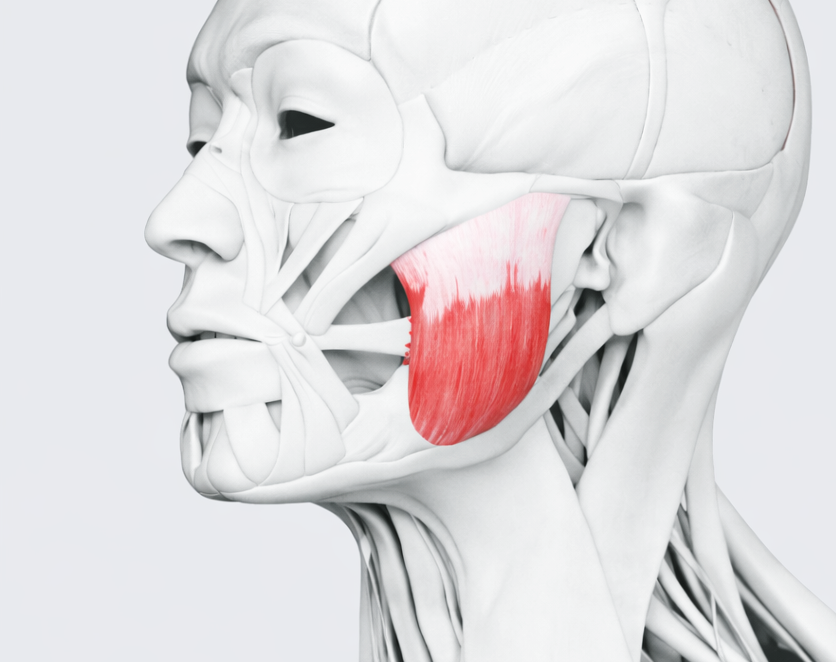
More important than the dose is each person’s different ‘jaw muscle’
Jaw muscles differ from person to person in size, shape, and left-right balance.
If you have a habit of chewing on one side,
a difference in the development of the left and right masseter muscles is also common.
So before the procedure,
the process of clenching and releasing the teeth,
and the process of directly checking the muscle borders and thickness with your hands
are not merely formal steps, but key procedures for determining the dose and injection points.
The same 50 units
may be sufficient for one person,
but insufficient or excessive for another.
Botox side-effect issues
are more likely to occur when these differences are not taken into account.
Jaw Botox is closer to ‘design’ than to a simple ‘injection’
What I consider most important in jaw Botox treatment
is not how much to reduce, but how to reduce it.
Because facial muscles are balanced with one another,
when the strength of one muscle decreases, other muscles take over its role.
If this balance is not considered,
the jawline may become slimmer, but the expression can become unnatural.
That is why, before the procedure,
the patient’s facial expression habits, muscle usage patterns, and overall facial balance should all be reviewed together,
and the injection points and dosage should be designed differently for each individual.
To sum up?
Jaw Botox is a common procedure,
but natural-looking results are by no means easy to achieve.
Rather than cost or convenience,
- whether sufficient consultation and diagnosis are provided
- whether overall facial balance is considered
- whether the approach is based on ‘control’ rather than simply reducing the muscle
If you choose based on these criteria,
your jawline can look more refined while your expression feels much more comfortable.
At Relieve Clinic,
we believe that naturalness and harmony come before slimness.
Thank you. This was Dr. Park.