Hello.
I am Park Tae-oh, the chief director of Relive Clinic.
One of the questions I hear often in the exam room is,
"Does Ulthera really work?"
This is something that first-time patients,
especially those in their 40s and older, often wonder about.

To be clear as a dermatologist,
Ulthera is a treatment that can be helpful.
However,
it is not a procedure that guarantees the same results for every skin type.
When I explain Ulthera,
I look first at whether it is the right choice for the current condition of the skin, rather than whether it works or not.
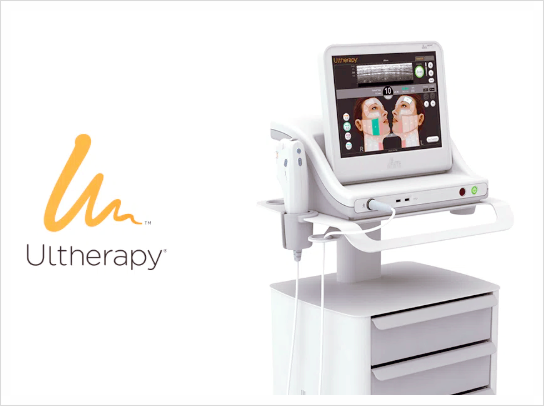
Skin aging starts not at the "surface" but in the "depth"
Skin aging usually begins after age 25.
As the amount and density of collagen and elastin in the dermis gradually decrease,
the skin loses firmness and, under the effect of gravity,
the jawline, nasolabial folds, and cheek sagging begin to appear slowly.
Cosmetics or massage
can temporarily improve the condition of the skin surface,
but it is difficult to change the structure of the dermis and fascia layer itself.
At this point, what we should think about is
ultrasound lifting, and among them, "Ulthera."

A core summary of Ulthera and Ulthera Prime
Ulthera is a procedure that uses high-intensity focused ultrasound (HIFU)
to deliver energy to the deeper layers of the skin, especially the SMAS layer.
This is a key structure that supports facial sagging,
and it corresponds to the limit of lifting depth that is possible without surgery.
When ultrasound energy reaches the precise depth,
the tissue contracts through a thermal reaction,
and in this process, collagen regeneration is induced.
So Ulthera is not something you should think of as improving immediately after the procedure,
but rather as something that gradually improves over 1 to 3 months.
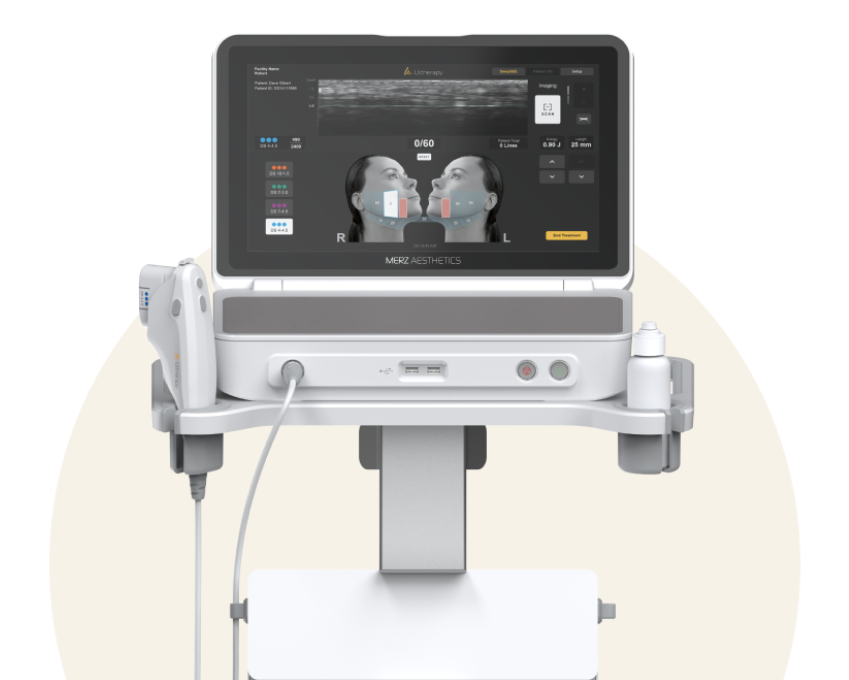
The way of directly checking the skin layers through a real-time imaging device
is the same for both Ulthera and Ulthera Prime,
but the resolution has improved.
It is an upgraded version
that makes more precise targeting possible than before,
and because it allows energy delivery tailored to each person’s skin thickness and structure,
the improved stability and consistency
is what makes Ulthera Prime easy to understand.

Which skin types are a good fit, and when should you be careful?
Ulthera is relatively well-suited for people in their late 30s to early 50s,
when the jawline has started to blur and sagging has begun,
and for those with a moderate skin thickness.
On the other hand, if the skin is too thin,
if the face has little fat,
or if you have a keloid-prone constitution or very sensitive skin,
a standalone Ulthera treatment should be approached with caution.
If sagging is very severe,
there are many cases where a combination with other procedures is needed.
In particular,
many people say that hollowed cheeks are the side effect they worry about most,
but if the treatment is well designed to suit the face,
it is a side effect of Ulthera that can be sufficiently prevented,
so there is no need to worry too much.
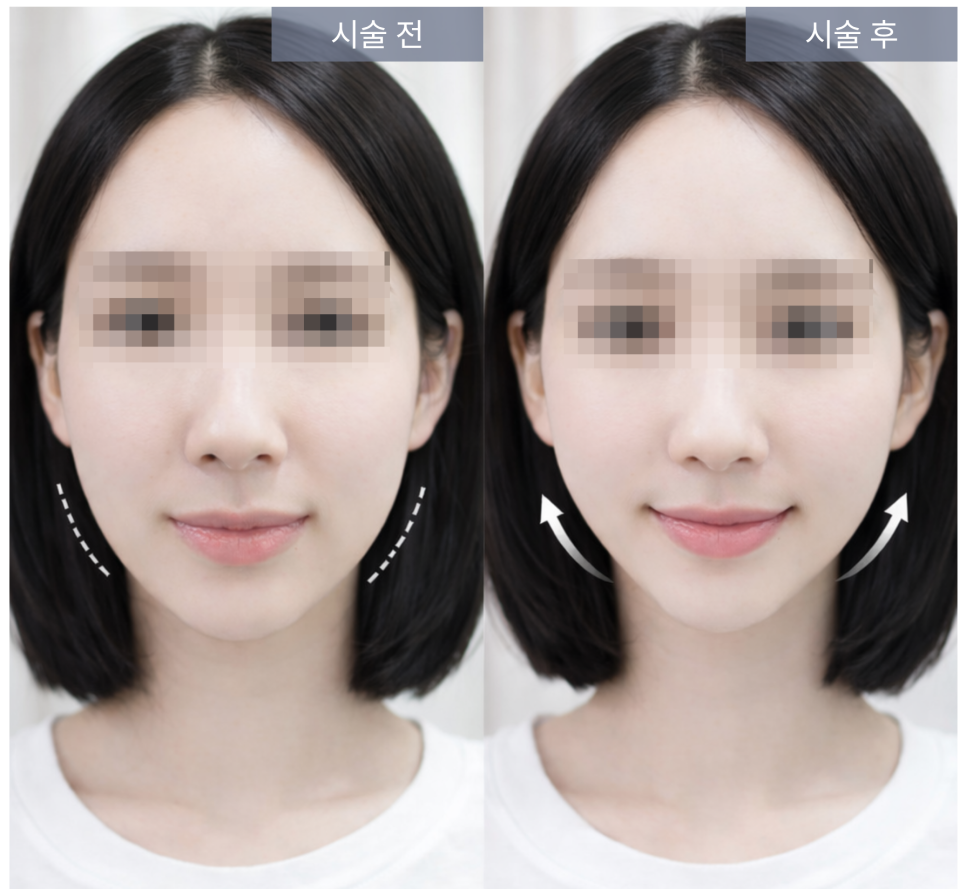 Ulthera Prime review
A realistic explanation of pain, recovery, and duration
Because Ulthera delivers energy to deep layers,
it is not a procedure that can completely eliminate discomfort.
Especially in areas close to the bone,
you may feel a sharp or tingling sensation,
and the level of pain varies greatly from person to person.
In fact, Relive’s Ulthera is less painful than at other clinics.
No one has ever needed sleep anesthesia. (A director’s pride..)
After the procedure, there may be temporary redness or swelling,
and in most cases it recovers within a few days.
The effects usually begin to be felt around 1 month after treatment,
and in many cases the best state appears around 2 to 3 months.
The maintenance period varies by person, but it is usually explained as around 1 year.
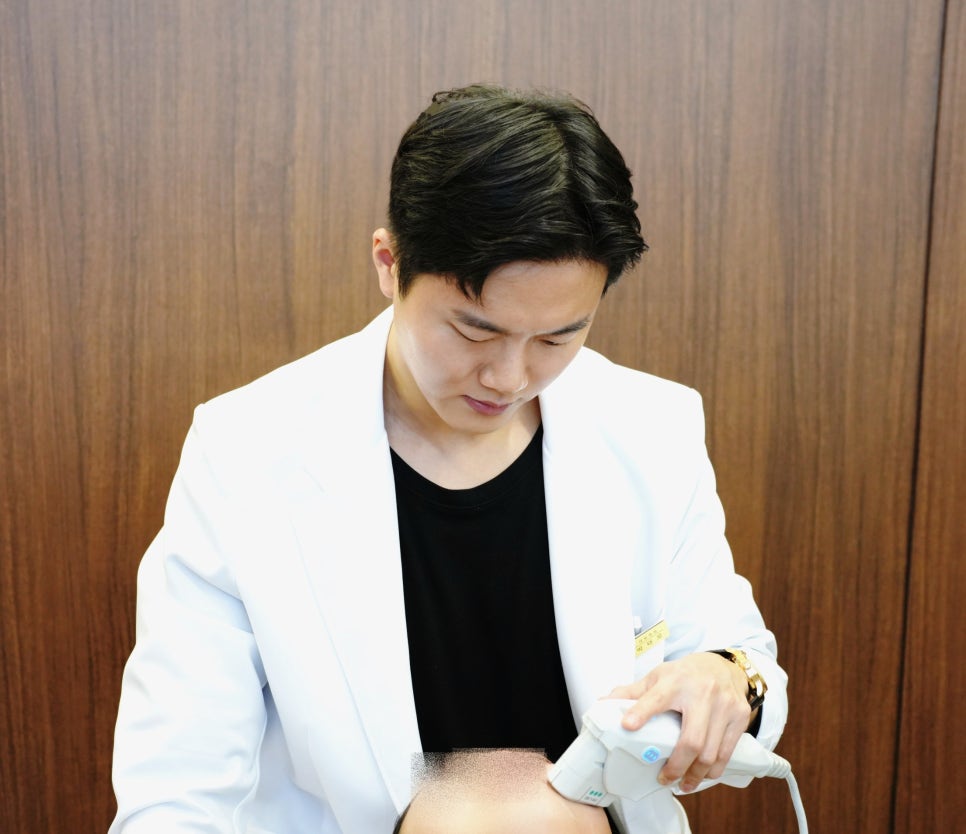
Ulthera is not an "answer" but an "option"
Ulthera and Ulthera Prime
are proven lifting procedures,
but they are not all-purpose treatments that solve all signs of aging.
What matters is understanding the current condition of your skin accurately,
and choosing the necessary treatment at the right time.
Rather than expecting too much,
thinking in terms of aiming for natural improvement
is the most realistic way to use Ulthera.
Thank you.
This was Dr. Park from Relive.