Hello.
I’m Dr. Park Taeo of Lilliv Clinic.
“My skin looks dull—what kind of skin booster is right for me?”
“Rejuran and Juvelook aren’t basically similar procedures?”
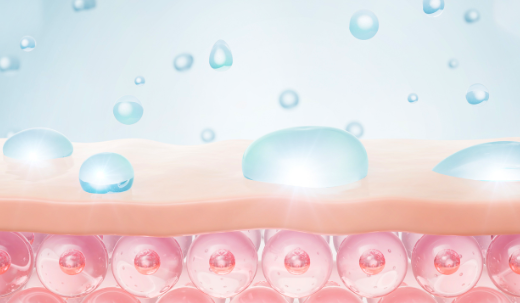
Both procedures share the common goal of improving the skin,
but in reality, they approach the skin from different perspectives.
If you don’t understand this difference, it’s easy to feel like the treatment didn’t work.
Today, I’ll explain the differences between Juvelook and Rejuran.
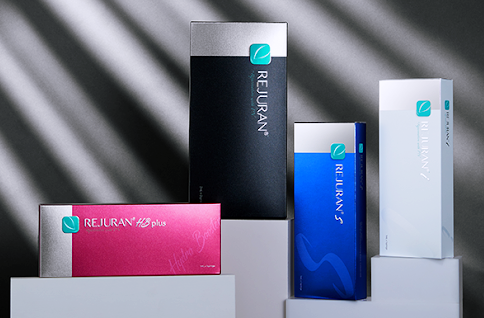
Rejuran: A Way to Restore the Skin Environment
Rejuran is a skin booster based on PN (polynucleotide) ingredients.
The key is not volume or elasticity, but normalizing the damaged skin environment.
If the skin easily becomes red, flakes repeatedly,
and cannot retain moisture,
the problem is often not a lack of collagen, but a disruption of the skin’s renewal rhythm.
Rejuran works by stabilizing the cellular environment within the dermis
and helping restore the skin barrier and recovery ability.
This is also why people often feel that their “skin feels more comfortable” or that their “tone looks clearer” after the procedure.
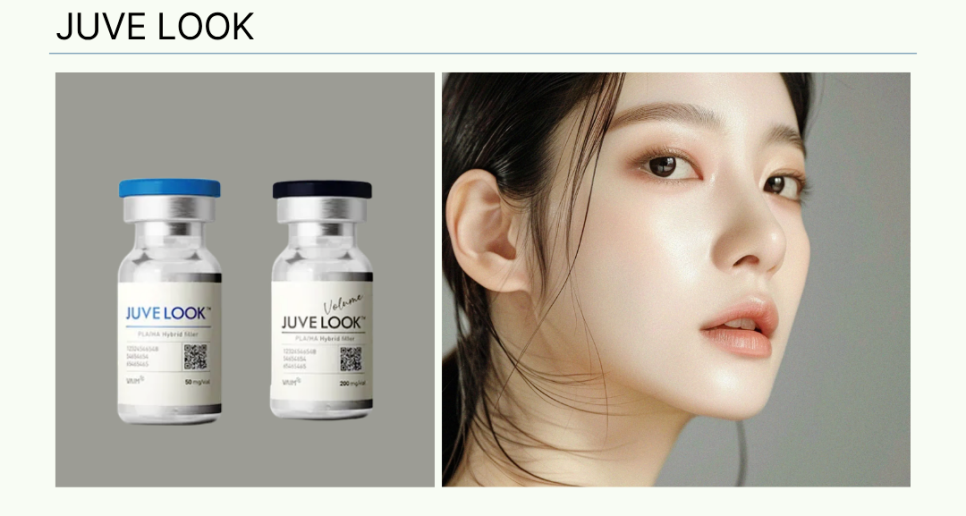
Juvelook: A Method That Fills in the Skin’s Structure
Juvelook is a collagen stimulator that uses PDLLA ingredients.
It gradually breaks down in the dermis
and is designed to encourage the skin to produce collagen on its own.
It is different from a filler that creates immediate volume,
and the core change is that skin density and elasticity increase over time.
The hyaluronic acid included with Juvelook can make the skin texture feel more refined right after treatment,
and over the course of several weeks, improvements in pores and fine lines accumulate more firmly.
Depending on particle size, it is divided into a skin-texture-focused type (Juvelook Skin)
and a volume-focused type (Juvelook Volume),
and the injection depth and dispersion design can affect Juvelook’s results and outcome.
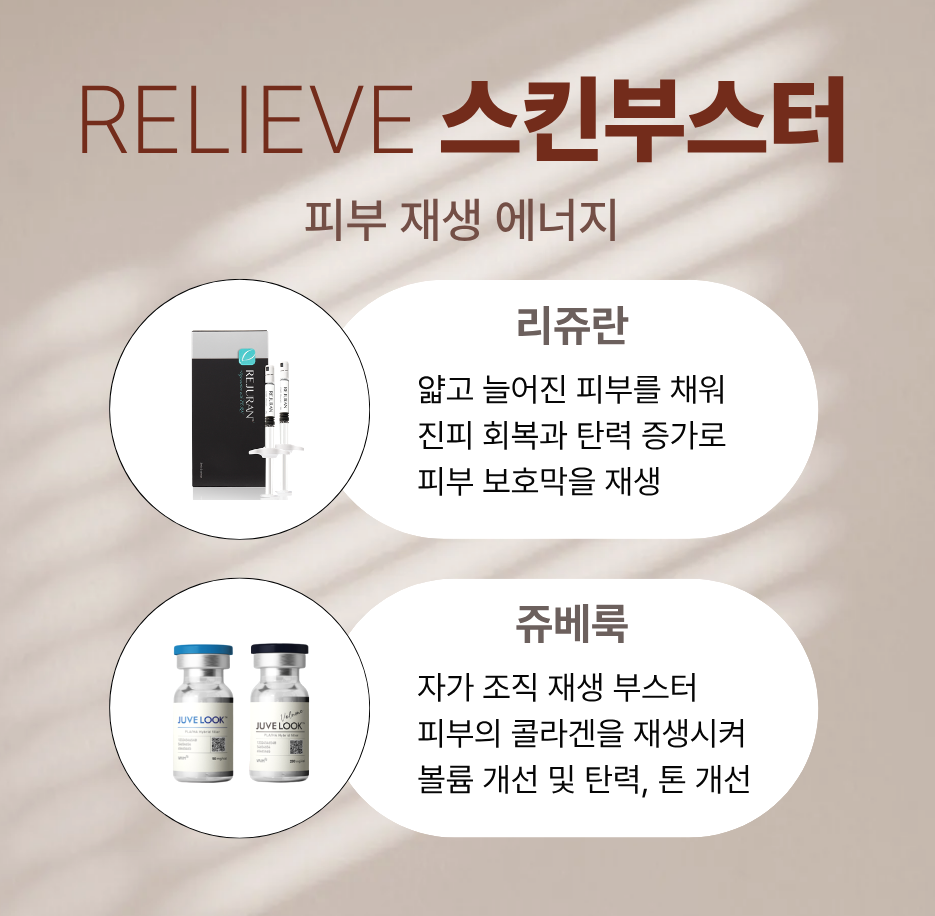
Rejuran vs. Juvelook: Clear Criteria for Choosing
Both procedures are related to collagen,
but their roles are different.
Rejuran focuses on restoring skin condition and the regenerative environment,
while Juvelook focuses on collagen production and reinforcing the skin structure.
If the skin has become sensitive and the overall condition has deteriorated, Rejuran is often more suitable.
If the skin has become thinner and lost elasticity, making pores and fine lines more noticeable, Juvelook is often a better fit.
Rejuran, Rejuran I, and Juvelook
are administered with needles and injections, so people naturally tend to worry a lot about pain,
but through Lilliv’s unique techniques and solutions, the discomfort can be significantly reduced.
It is not possible to say that one procedure is definitively better.
What matters is not trends or combinations,
but what problem the skin needs to address first right now.
The choice of skin booster should always
begin with a precise analysis of the skin condition.
Thank you. This has been Dr. Park.