Hello.
I’m Park Taeo, the chief director of Relief Clinic.
If you are considering improving skin elasticity,
I think you are already familiar with Thermage.
It is a device that serves as a benchmark for radiofrequency lifting,
and it is also a procedure with clear elasticity-improving effects.
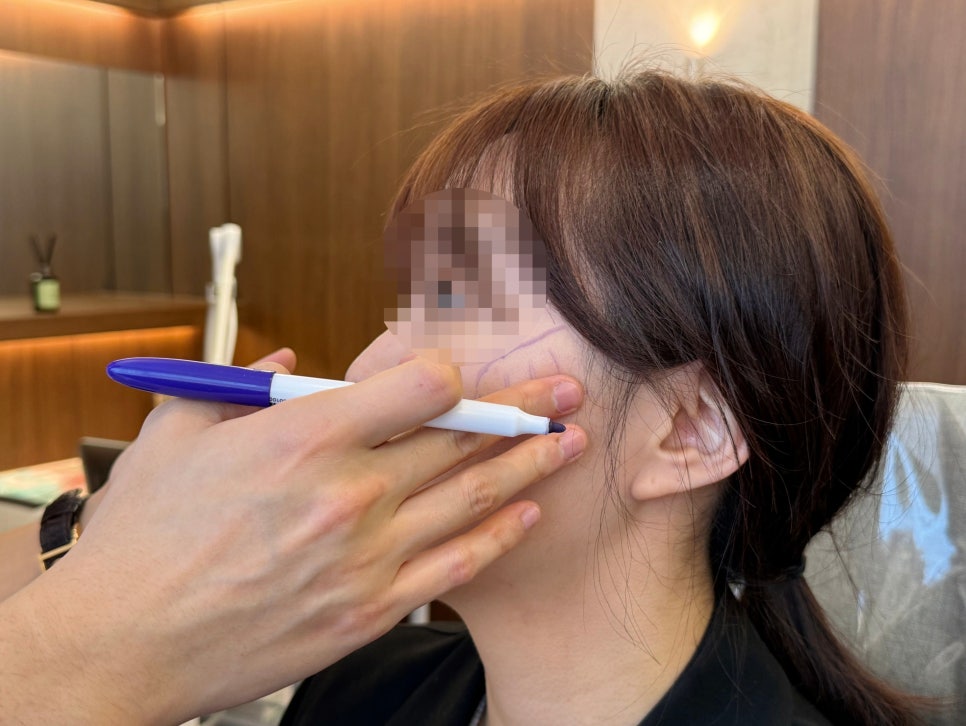
However, in the clinic,
"It seems less effective than I expected."
"It feels like there isn’t much change compared to the cost..."
Why do such differences occur even when the same Thermage treatment is performed?
For those who felt Thermage was less effective than expected,
I would like to explain this because more stable results can be expected when it is combined with Onda lifting.
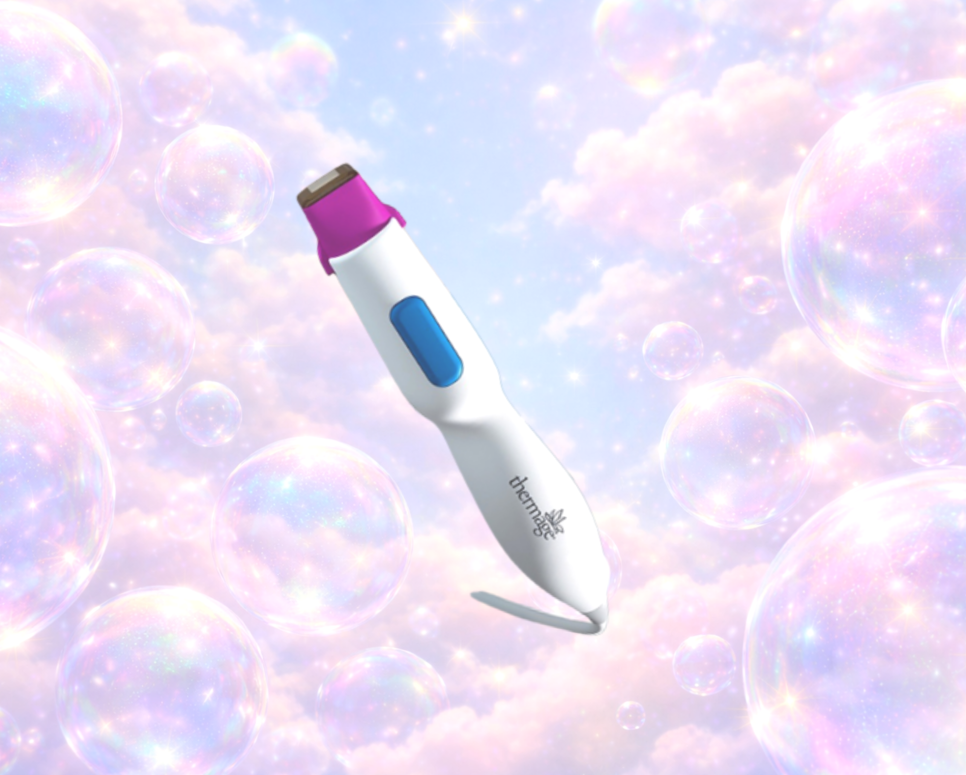
Thermage’s key is 'sufficient heat delivery'
Thermage uses monopolar radiofrequency
to deliver heat to the dermal layer and fibrous septa, inducing collagen regeneration.
When the temperature inside the skin
reaches about 50 to 60 degrees,
collagen contracts,
and over the following months regeneration continues, making the skin firmer and improving sagging.
The important point is
that the process of reaching this temperature is necessary.
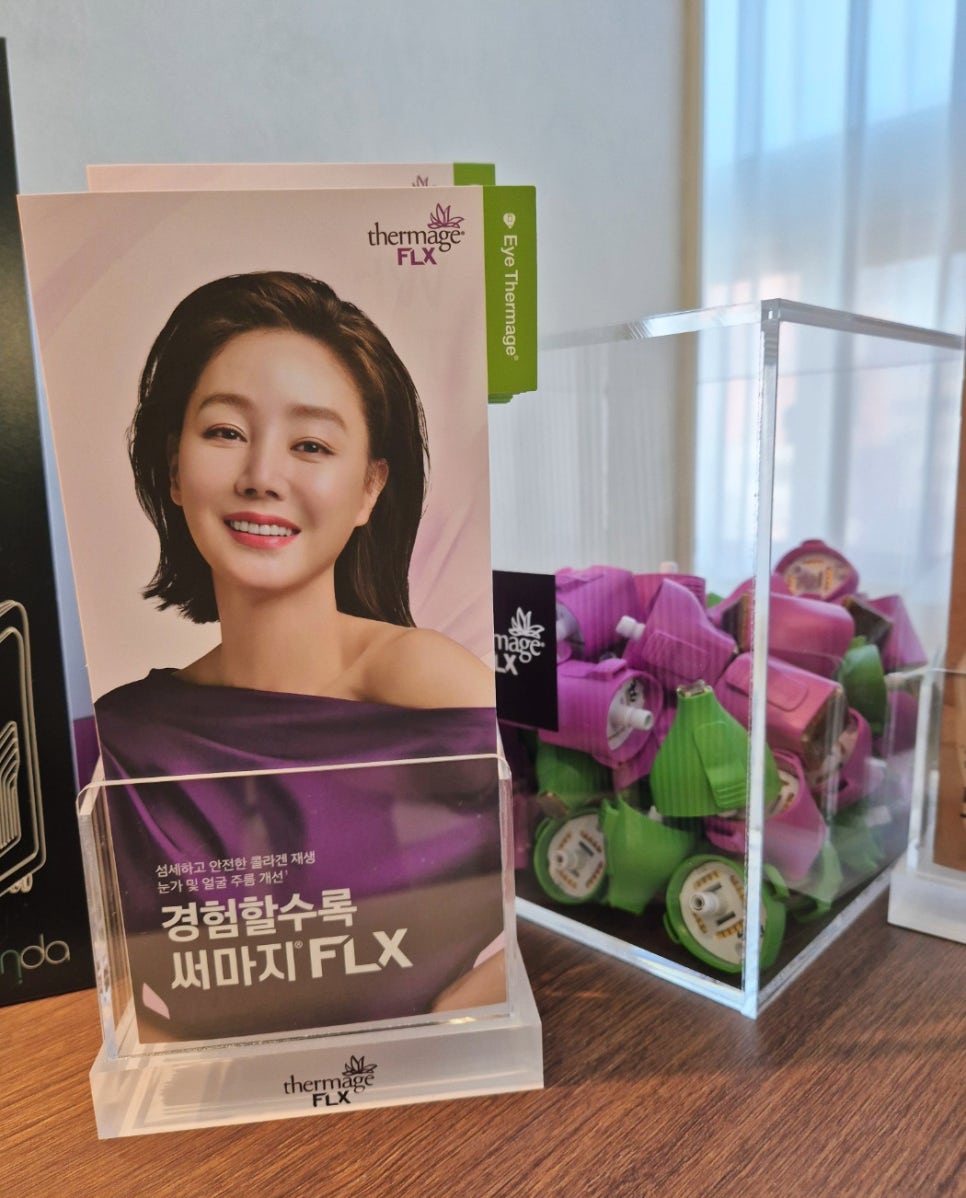
An initial set number of shots is used as a preheating stage to raise the internal temperature of the skin,
and if this process is insufficient, the efficiency of energy delivery may decrease.
Even with the same Apgujeong Thermage 300 shots,
there can be differences in results between a case performed when the skin was not prepared
and a case performed in an appropriate condition.
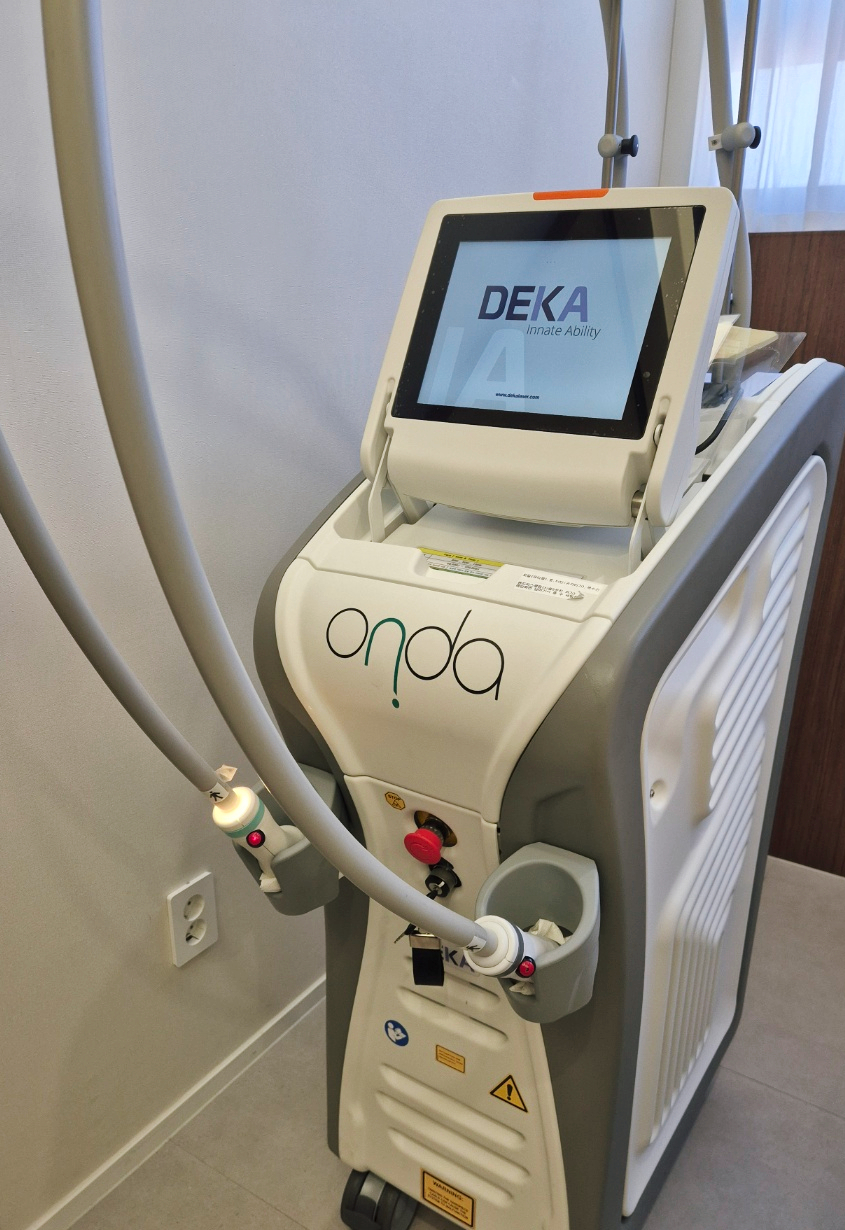
Onda lifting plays the role of 'preparing' the skin
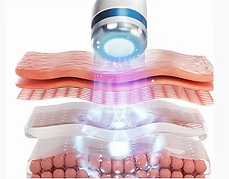
Onda lifting uses microwave energy
to selectively heat the dermal layer and subcutaneous fat layer.
Microwave energy works by vibrating the 'water molecules' in the tissue,
with the goal of delivering heat relatively evenly to the deeper layers of the skin.
This characteristic becomes important when combined with Thermage.
If Onda lifting is performed first,
the inside of the skin is already warmed,
so Thermage’s radiofrequency energy can be delivered more efficiently.
In other words,
it can reduce the number of precious shots and energy spent on preheating,
and increase the proportion of effective energy used for actual collagen regeneration.
Effective for improving the fat layer
The cause of reduced elasticity is not simply a decrease in collagen;
in many cases, sagging of the subcutaneous fat also plays a role.
(Just as when weight is gained, the skin on the face and body stretches because of fat...)
In particular, in areas such as a double chin or buccal fat,
where fat accumulation makes the contours feel heavy,
Onda lifting’s 7 mm handpiece is used to selectively target the fat layer.
By organizing the fat layer and reducing facial heaviness,
and then tightening the skin structure with Thermage above it,
a more defined contour improvement can be expected.

Lifting completed through 'careful planning'
Onda and Thermage have different roles.
Onda heats the skin and fat layer to create an environment for energy delivery,
and Thermage is a procedure that reorganizes the dermal structure to restore elasticity.
When these two steps are properly combined,
energy delivery efficiency increases, and the lifting effect appears more stably.
Lifting procedures are
not determined by a single device,
but begin with accurately understanding the current skin condition and the cause of sagging.
Whether the main issue is a decrease in collagen,
whether sagging fat is also present,
and which layer’s changes are the main focus—of course, the procedure can differ accordingly.
Even for the same procedure, Thermage effects or Onda effects
can vary depending on the condition,
sequence,
and how they are applied,
and I believe the results can differ.
Thank you. This was Director Park from Relief.
<< Related post you may find helpful >>