Hello.
I’m Park Taeo, chief director of Relive Clinic.
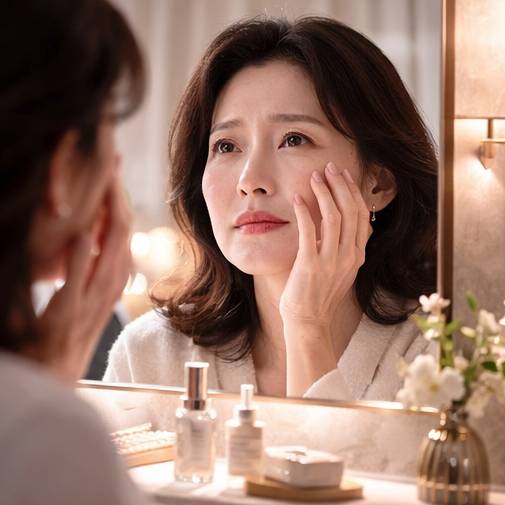
When you look in the mirror,
there are times when people tell you that you look a little more tired than before.
It’s easy to think it’s just due to how you feel,
but in the clinic, many of these changes often start with changes in the skin’s internal structure.
In particular, if the boundary between the cheeks and jawline becomes blurry,
or the jawline no longer looks as defined as before,
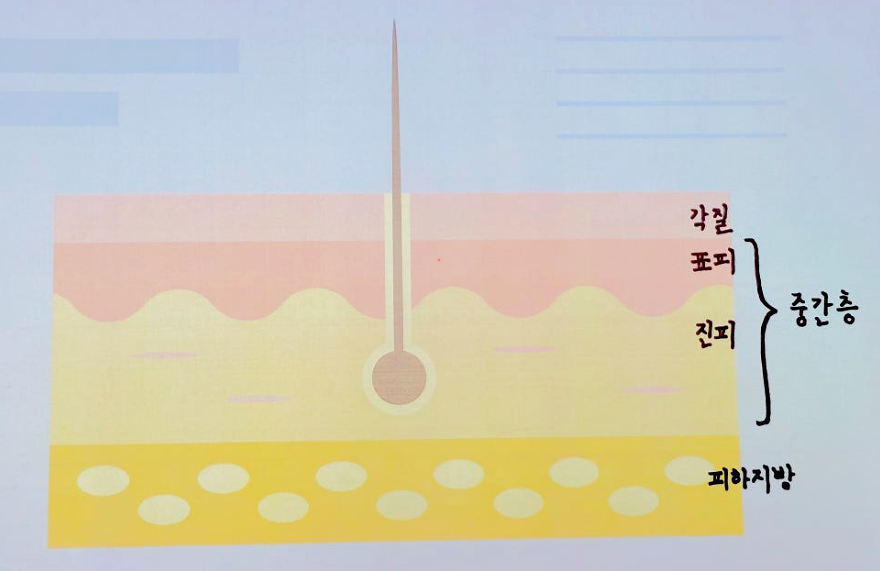
it may be a sign that the collagen and elastic fibers in the dermis are gradually weakening.
At times like this, many people start considering lifting procedures.
However, there are also quite a few who hesitate because strong stimulation or recovery time feels burdensome.
One method that can help improve elasticity with relatively little burden on the skin is the titanium lifting I’ll explain today.
Rather than pulling the skin upward strongly,
this procedure is closer to a maintenance-style lifting treatment that stimulates the skin’s internal elasticity structure and organizes loosened lines of firmness.
How three wavelengths create skin responses
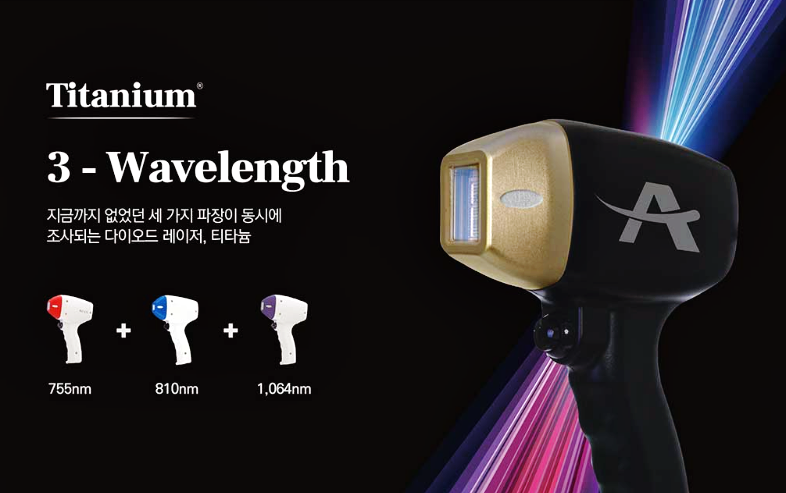
The distinguishing feature of titanium lifting is that it uses three laser wavelengths at the same time.
Typically, the 755 nm, 810 nm, and 1064 nm wavelengths are delivered together, creating responses at different depths of the skin.
-
755 nm wavelength: helps improve skin tone and texture in relatively superficial layers
-
810 nm wavelength: induces a collagen response in the middle layer of the dermis
-
1064 nm wavelength: reaches deeper tissue and helps tighten loosened skin structure
The effect of titanium lifting comes from these thermal responses occurring simultaneously across multiple layers, so even after a single treatment, improvements in elasticity may appear along with changes in skin texture and tone.
Another characteristic is the energy delivery method.
Rather than concentrating strong energy in an instant,
it is structured to deliver heat at a consistent temperature while inducing responses within the skin.
Because the skin often responds more naturally to stable thermal stimulation than to excessive stimulation,
this approach can support relatively gentle improvement in elasticity.
Concerns about pain and downtime
When considering a lifting procedure, many people are most worried about pain and recovery time.
That’s understandable.
(I don’t like pain either..)
Many titanium lifting reviews describe the treatment as feeling like warmth or a hot compress during the procedure.
This is because the device’s cooling system works together to keep the skin surface temperature stable during laser delivery.
As a result, in most cases the procedure can be done without anesthesia,
and the titanium lifting treatment time is relatively short, at about 20 to 30 minutes for the full face.
In addition, there is almost no swelling or bruising after the procedure, so washing your face or applying makeup on the same day is possible,
and it usually does not significantly interfere with daily life.
However,
because thermal stimulation has been delivered to the inside of the skin, it is better to avoid activities that significantly raise body temperature, such as saunas or intense exercise, for about a day after the procedure.
If you follow these titanium lifting precautions well,
and take sufficient moisturizing care and sun protection, it can be much more helpful for skin stability.
Lifting is about planning, not just the device
Titanium lifting is closer to a maintenance-style lifting treatment that organizes the flow of elasticity rather than a procedure that dramatically changes the face.
So it is usually performed repeatedly at intervals of 3 to 4 weeks
in a way that accumulates the collagen response within the skin.
When this kind of management continues, you may gradually notice changes in skin density and the foundation of elasticity.
However, even when the same device is used, results can differ from person to person.
This is because the required energy and approach vary depending on skin thickness, fat volume, and degree of elasticity.
(For example, depending on whether cheek sagging is the main concern or the jawline has become less defined, the energy distribution or treatment method may differ.)
Rather than using strong energy unconditionally, it is important to design the appropriate intensity within the range the skin can tolerate.
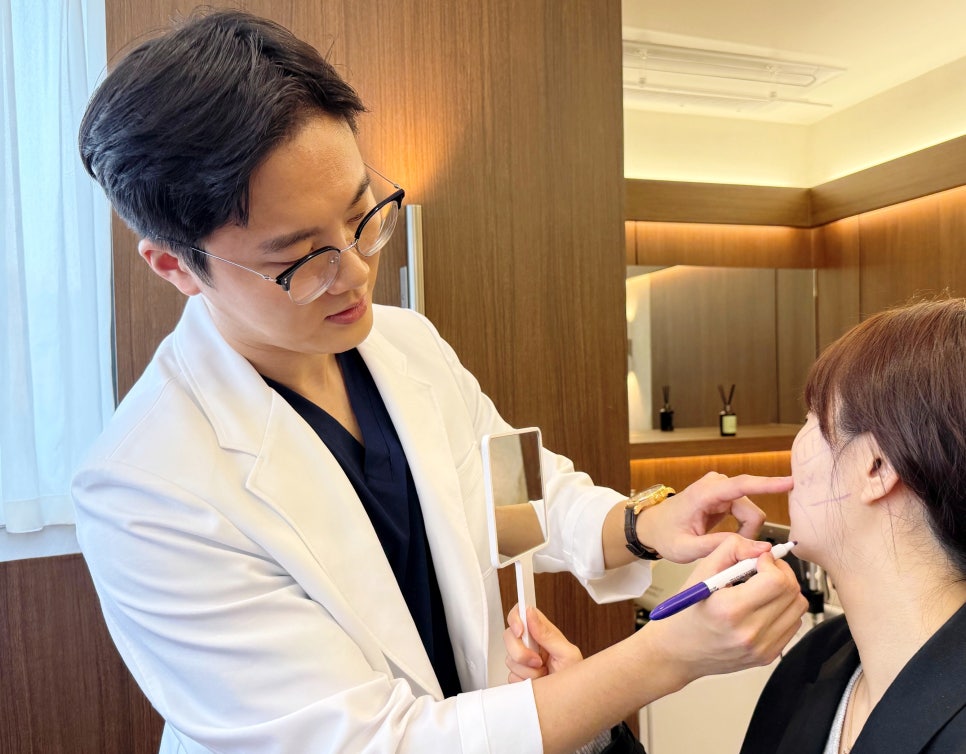
A lifting procedure can be started at any time, but before that,
the right method should be chosen according to what kind of procedure and approach each individual face actually needs.
Many people search for Apgujeong titanium lifting prices, reviews, and effects,
but in actual consultations, rather than deciding on the device first,
I first check the current skin condition and the direction the patient wants, then explain the most appropriate method.
Thank you. This was Dr. Park from Relive in Apgujeong.