Hello. This is Relieve Clinic.
When a photo is taken,
one reason the jawline looks wide or angular
is often thought to be simply because of the bone.
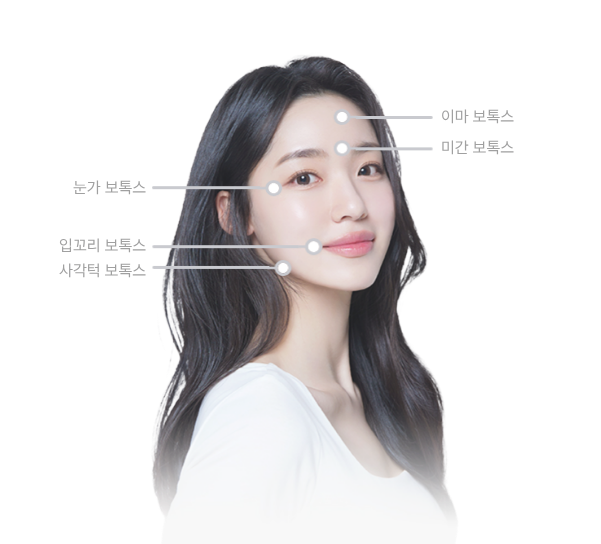
However, in reality, it can be confirmed that the development of the masseter muscle (chewing muscle)
often plays a major role in facial contours.
So jaw Botox and square jaw Botox are used
as a way to soften the jawline
without affecting the bone.
However, even if the same procedure is performed,
there are clear reasons why the duration and effects may differ.
To start with the conclusion,
this difference begins with each person’s muscle condition.
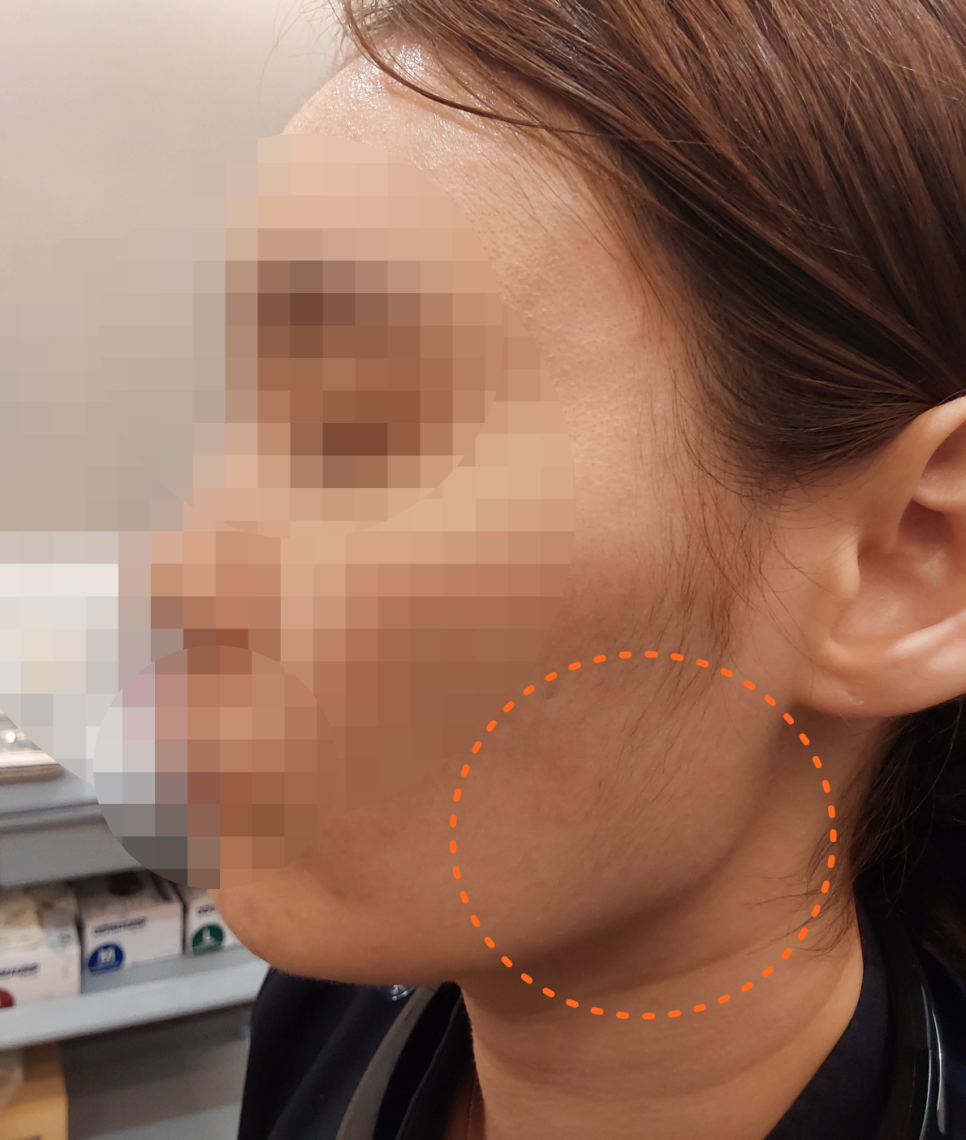
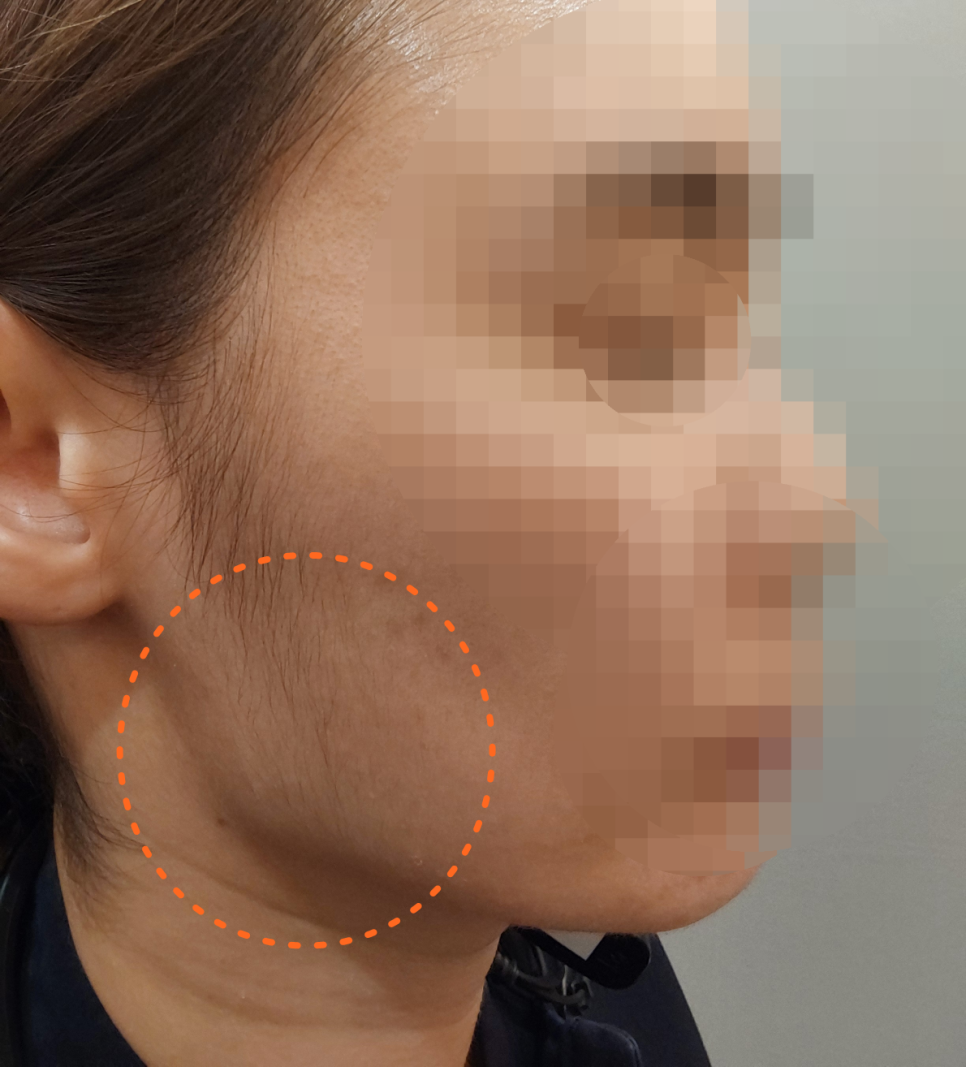
Effects of square jaw Botox that vary depending on muscle structure
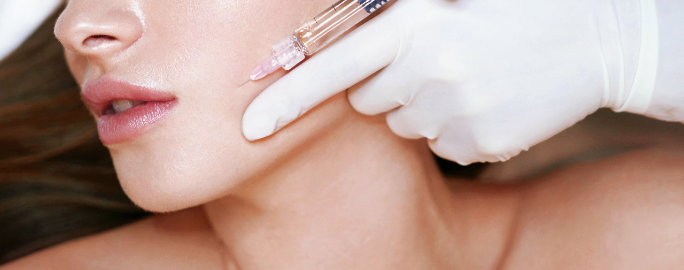
The principle of jaw Botox is
to temporarily reduce the movement of the overly developed masseter muscle
and decrease muscle volume.
The "masseter" is the strongest chewing muscle in the face,
and just as every face is different,
not all masseter muscles have the same shape.
Depending on muscle thickness, length,
and usage habits (such as clenching teeth or chewing on one side),
the speed of response to Botox and the degree of change can differ.
For example,
if the muscle is thick and strongly developed,
initial changes may appear relatively clearly,
whereas if the muscle is thin
or if fat or skeletal structure has a greater influence,
the effect may seem limited or small.
Because of this, if muscle analysis for jaw Botox is not done first,
it can lead to results that differ from expectations.
Why the duration differs
The duration of square jaw Botox is generally 3 to 6 months.
But in actual clinical practice,
even when the same dosage is used,
differences in duration can occur.
The reason is that
the frequency of muscle use and the recovery speed vary from person to person.
If you have a habit of clenching your teeth
or use the masseter muscles a lot,
the effects of Botox may fade relatively quickly.
On the other hand, if muscle use is low
and repeat treatments are performed at appropriate intervals,
the duration tends to be longer.
What is important here is that
rather than understanding the standard duration of jaw Botox
as just a simple number,
you should also consider your own muscle condition and lifestyle habits.
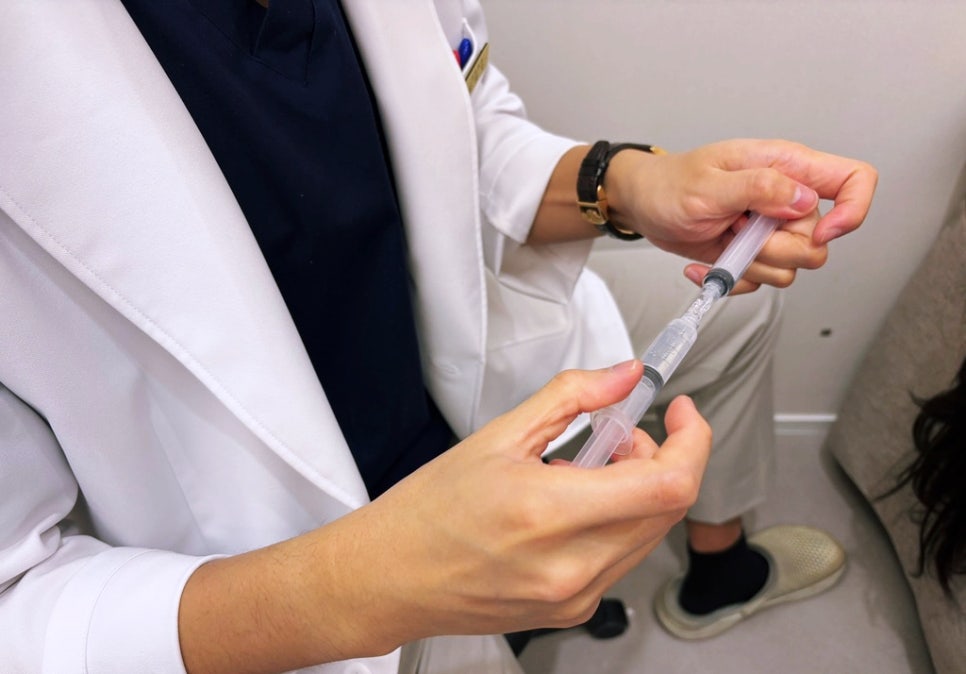 Relieve Clinic Director Taeo Park’s Botox procedure photo
Adjusting the dosage and injection position
Rather than the expression "designing the Botox dosage for the jaw,"
to be precise,
the key is adjusting the dosage and injection position to match the muscle’s range and depth.
If the left and right muscles differ in size,
injecting the same amount can instead cause asymmetry,
and excessive injection may lead to reduced chewing strength
or unnatural results.
Conversely, too little dosage
can result in almost no noticeable change.
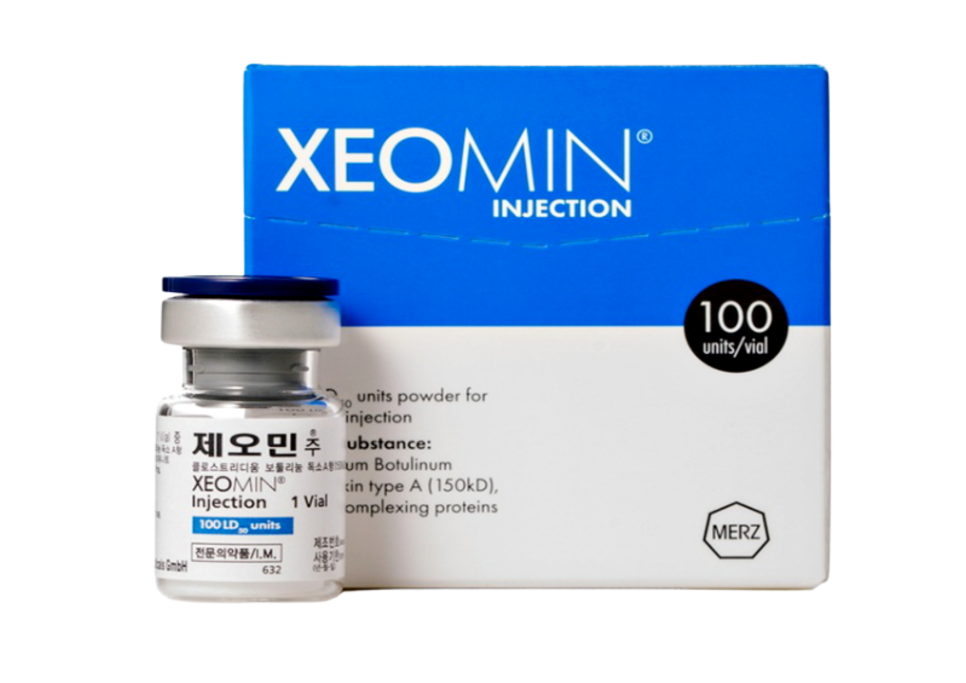
At Apgujeong Relieve Clinic,
the most popular option for jaw Botox procedures is
Xeomin Botox.
The reason Xeomin is often chosen for square jaw (masseter) procedures
is not simply because it is a "good product,"
but because it has a structure that is advantageous from the perspective of muscle characteristics and long-term management.
Xeomin is
a pure neurotoxin form with complex proteins removed.
In general, Botox products are
structured as neurotoxin + supporting protein (complexing protein),
but Xeomin does not contain this supporting protein,
which makes it advantageous in reducing immune reactions in the body.

Criteria that create differences in results
Square jaw Botox is a procedure that anyone can receive,
but it does not guarantee the same results for everyone.
Whether the cause is bone, muscle,
or both working together,
the procedure and approach itself will differ.
Therefore, rather than simply choosing based on price or dosage,
it is necessary to first check what condition your current jaw structure is in.
If you are concerned about your jawline,
you need to first determine whether Botox is appropriate in your current state
and how much change is possible,
and only after consulting with a specialist
and going through an objective assessment
can a result that is natural without being excessive be achieved.
Thank you.
This was Director Taeo Park of Relieve.
< Related post >
▼