Hello.
I’m Dr. Park from Relive, who dislikes pain.
When the seasons change
or there are environmental changes,
the dermatology procedures people ask about most often are
skin boosters and collagen boosters.
There are so many types,
and many people find them hard to distinguish.
In general, they are simply thought of as
"procedures that put collagen into the skin."
But in reality, it is a little different.
More precisely,
rather than the concept of filling in collagen itself,
it is closer to the process of
changing the environment inside the skin
so that it can
"make new collagen."
The skin is originally
a tissue that heals itself.
The problem is that as we age,
this recovery speed gradually
slows down...
As time passes,
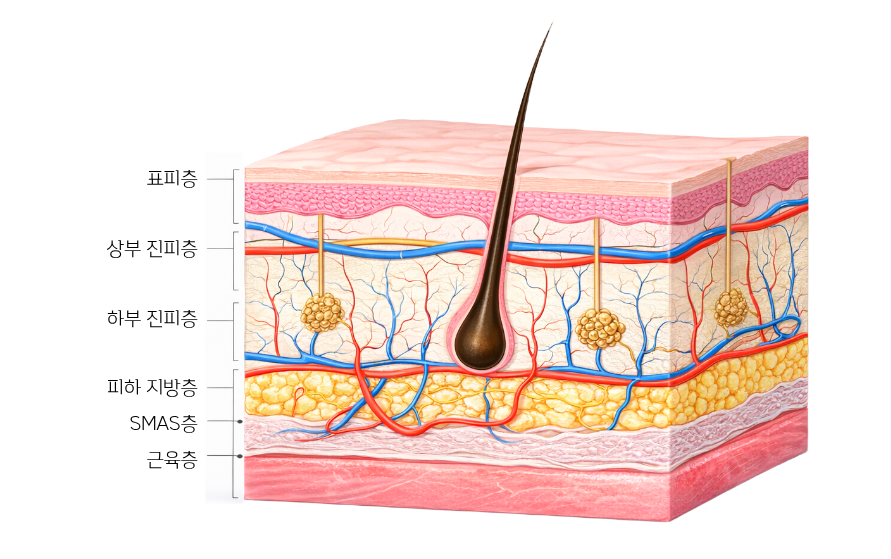
fibroblast activity in the dermis decreases,
the collagen arrangement breaks down,
and the very structure that helps maintain
skin elasticity becomes weaker.
The changes that appear from this point on
are not just wrinkles, right?
Pores become larger,
the skin becomes thinner,
fine lines increase,
elasticity declines,
and an overall deterioration in skin condition
begins.
It is easy to think of collagen boosters
as something created to reverse this process.
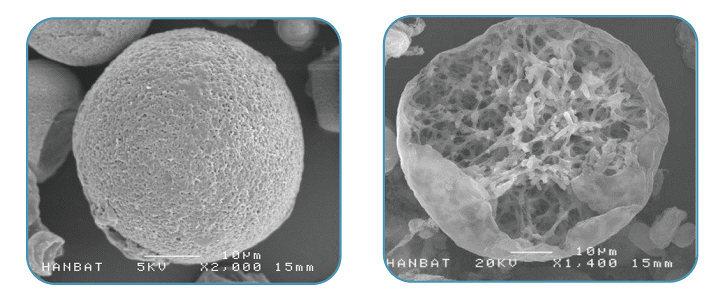 Juvielook particles
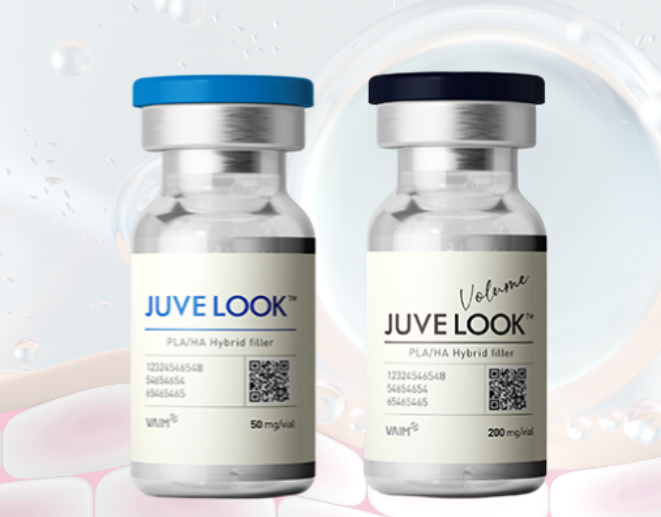 Juvielook Skin / Juvielook Volume (PDLLA series + HA hyaluronic acid base)
When a certain component enters the skin,
the body does not simply recognize it
as a foreign substance.
It is received like a danger signal,
as if it means that "this area needs to recover,"
which activates fibroblasts
and leads to the process of
new collagen production.
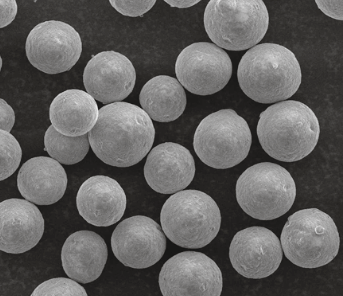 Radiesse particles
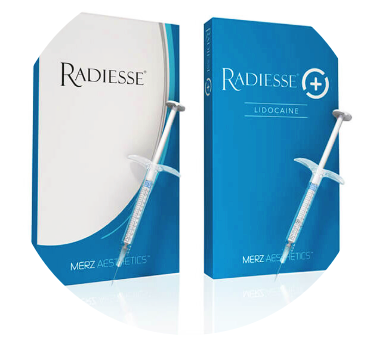 Radiesse (CaHA series)
That is why collagen boosters
are a little different in tone from procedures
that change dramatically right away after injection.
Over time,
they are closer to a structure in which
skin density, elasticity, texture, and fine lines
change gradually.
The main ingredients that are often discussed
also work in slightly different ways,
and you can refer to the summary in the table below.
| Category | Direction of Action | Characteristic Changes | Key Point |
|---|
| PDLLA series | Stimulates collagen production | Increases skin density and elasticity | A gradual change that slowly builds over time |
| CaHA series | Forms a supporting structure + induces collagen | Improves elasticity and volume | Creates a relatively firm supportive feel |
| PN/PDRN series | Restores the skin regeneration environment | Improves skin texture, fine lines, and recovery ability | Focused on restoring damaged skin condition |
| ECM series | Stabilizes the dermal environment | Supports skin texture, moisture, and elasticity | Organizes the skin’s basic foundation |
| HA-based skin booster | Improves the moisture environment | Hydration, glow, and texture improvement | You can immediately feel the increased moisture |
The types of skin boosters
cannot be judged simply by saying
"this product is definitely good."
Whether the skin is thin,
whether there is volume loss,
whether elasticity is the issue,
or whether post-inflammation skin recovery is needed
—of course the procedure should differ depending on the situation.
In actual treatment,
even with a collagen booster,
injection depth, concentration, dosage, and
selection of the skin layer can greatly change the result.
So from a doctor’s perspective,
what is checked first is not the product name,
but determining the current skin structure
and the direction of aging.
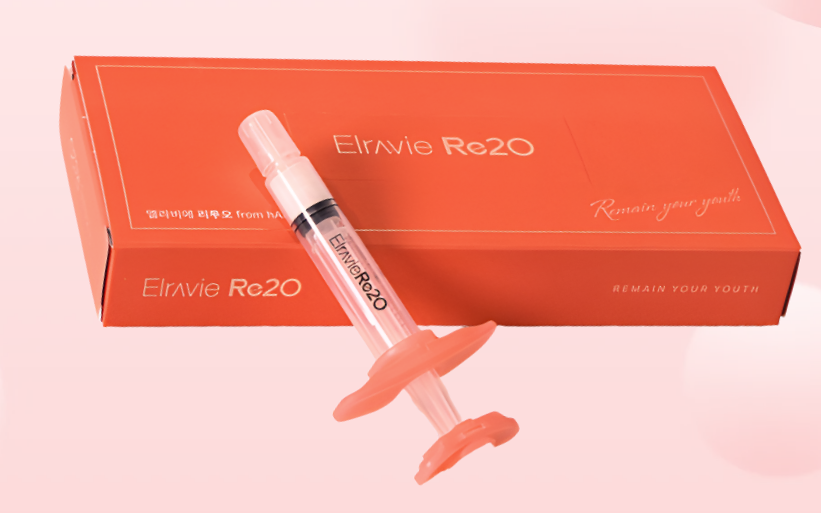 Elravie ReTuo (ECM series)
In the end, before being a procedure that simply fills something in,
it is better to understand collagen boosters as
a process that creates the essential environment
for the skin to recover again.
Thank you for reading this long post.
This was Dr. Park.