If your skin becomes unusually sensitive,
and the area around your mouth frequently develops sores,
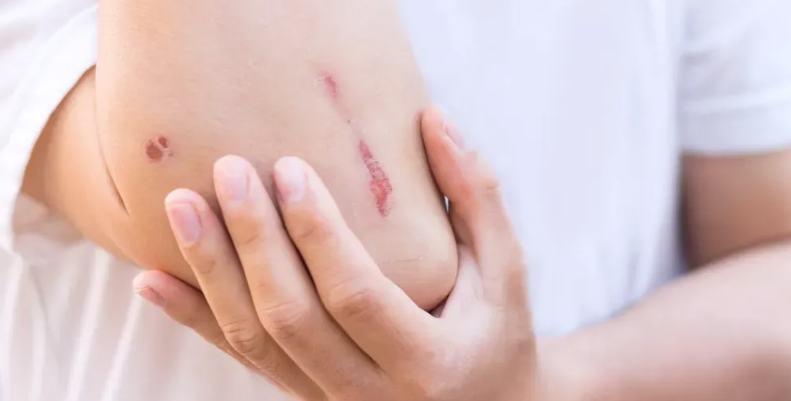
even small wounds do not heal easily,
causing you concern.
It is easy to think of these symptoms
as simple fatigue or seasonal skin problems
and dismiss them as unimportant,
but they may be medical signs
indicating a deficiency of
“zinc,” a trace element in our bodies.
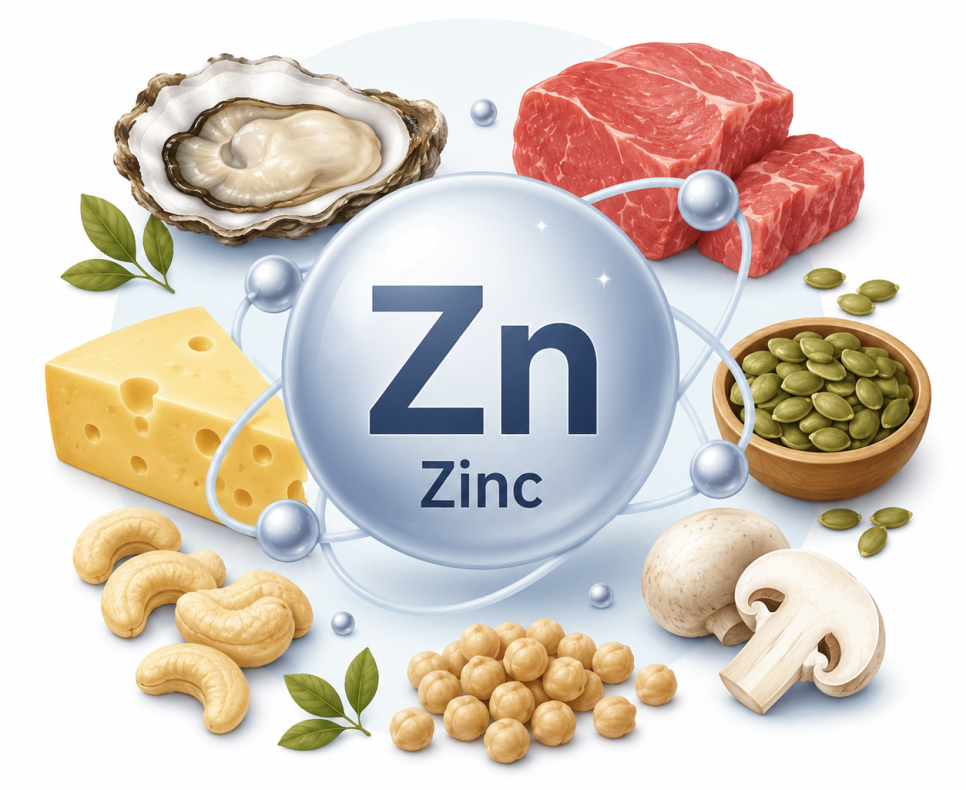
- Zinc, a Key Catalyst for Cell Regeneration and Immunity
Zinc is an essential trace mineral
involved in activating more than 300 enzymes
in the body.
In particular, it plays an essential role in DNA synthesis, cell division, immune regulation,
and
the tissue wound-healing process.
When zinc becomes deficient,
cell proliferation throughout the body and the immune system
come under strain,
and these signs
appear as skin-related and systemic symptoms.

Signs of Zinc Deficiency That Appear Throughout the Body
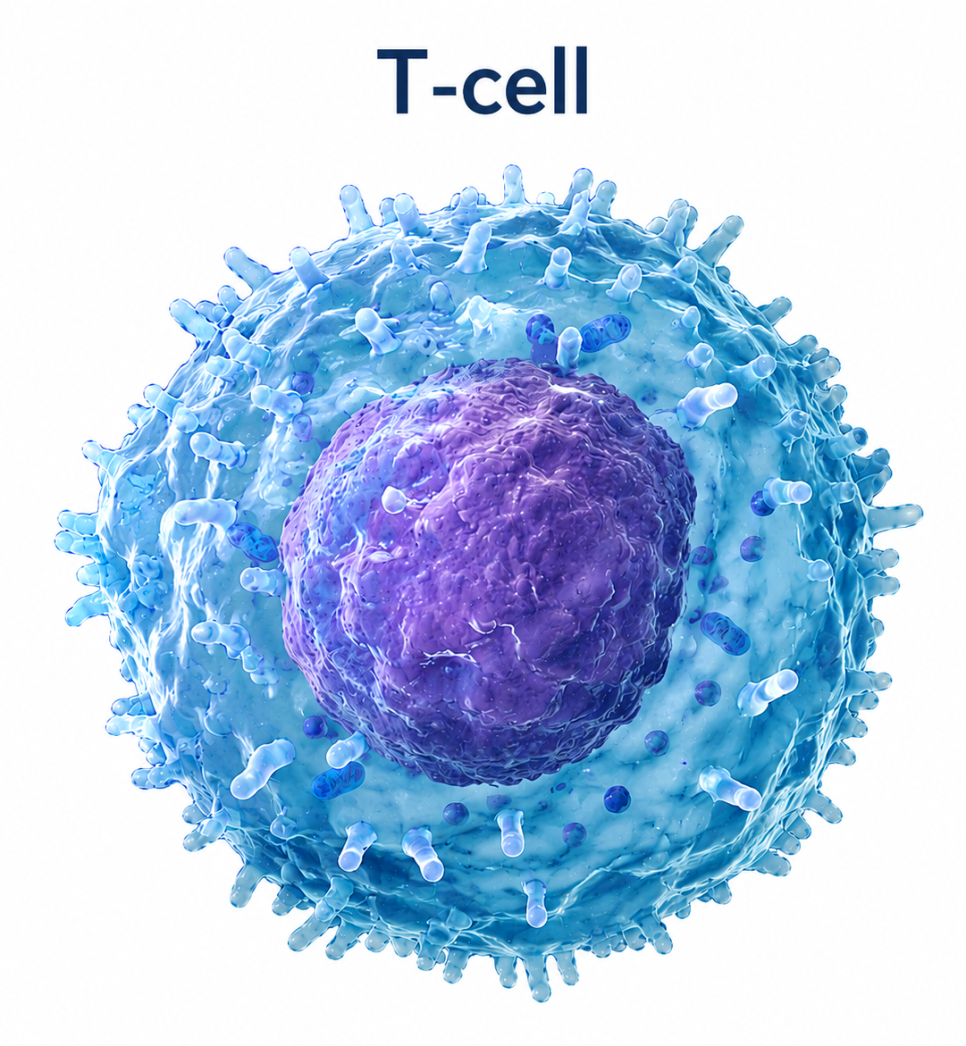
: The activity of immune cells such as T cells and macrophages
decreases, resulting in frequent colds,
and canker sores (oral ulcers) may recur chronically.
- Sensory and metabolic abnormalities
: As the regeneration of cells responsible for taste slows,
reduced taste sensation and loss of appetite may occur.
- Changes in the extremities
: As the function of rapidly dividing scalp and nail cells
declines, hair loss may occur,
while nails may split easily and develop white spots.
In particular,
people with chronic intestinal disease,
strict vegetarians (the phytic acid in plants
interferes with zinc absorption),
those following overly restrictive diets, and people with chronic alcohol use
need to take special care
because their bodies’ zinc absorption rates can decline sharply.

- The Effects of Zinc Deficiency on the Skin Barrier
From a dermatological perspective, zinc is
a “natural anti-inflammatory agent”
and a “skin-barrier recovery agent.”
The pathological changes in the skin
that occur when zinc is deficient, and their mechanisms,
can be summarized as follows.
| Main Skin Symptoms | Underlying Medical Mechanism |
|---|
| Delayed wound healing | Reduced synthesis of collagen, which is essential for wound healing, and inhibited proliferation of fibroblasts |
| Worsening acne and inflammation | Weakened regulation of sebaceous gland function and increased secretion of inflammatory cytokines, making the inflammatory response difficult to control |
| Weakened skin barrier | Reduced differentiation and recovery rate of epidermal keratinocytes, making the skin vulnerable to external irritants |
| Angular cheilitis and dermatitis | Reduced immune response and mucosal regeneration capacity in the oral mucosa and the skin around the mouth |
| Hair loss and weakened nails | Reduced cell division in hair follicles and nail matrix cells, causing growth to stop |
Zinc is also a component
of the antioxidant enzyme SOD,
which helps reduce oxidative stress.
Therefore, when zinc is deficient,
the skin is left unprotected against harmful reactive oxygen species,
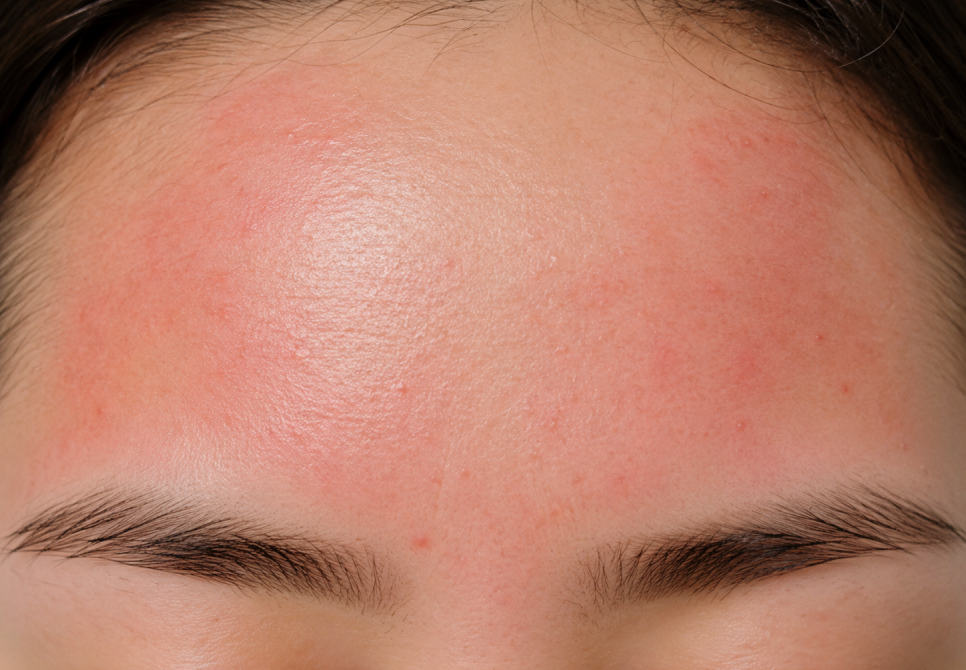
becomes red easily,
and enters a state of chronic sensitivity.
- Avoid Excess. Balance Is Important
As the importance of zinc
has gained attention,
many people take high doses of supplements
indiscriminately.
However, medical analysis shows
that excessive zinc intake
can actually be harmful,
so be sure to remember this.

※ Side Effects of High-Dose Zinc Intake
: If the zinc concentration in the body
becomes excessively high, it can interfere with the absorption of
copper, a companion mineral,
and may cause copper-deficiency anemia or
neurological abnormalities.
It may also cause acute gastrointestinal problems, vomiting,
and reduced immune function.
Therefore, intake should be considered in light of the recommended daily allowance for adults
(men: 11 mg, women: 8 mg)
and the upper intake level (35 mg).

Conclusion. Establishing a Treatment Environment
Skin problems and delayed wound healing
are often not clearly resolved
simply with “one nutritional supplement”
or “a specific procedure.”
In clinical practice, a patient’s eating habits,
digestive health (intestinal absorption rate),
sleep patterns, and stress levels
are evaluated comprehensively.

If you are suffering from unexplained chronic skin inflammation
and delayed wound healing,
rather than receiving the dermatological procedure you want without careful consideration
or taking large amounts of supplements based on self-diagnosis,
it is best to first evaluate
your nutritional balance and overall health
through a systematic consultation with a specialist.