A garden is a space that shows the beauty of nature.
However, if it is neglected, weeds quickly grow and pests and diseases can appear.
Atopic dermatitis is like a garden with a twisted interior.
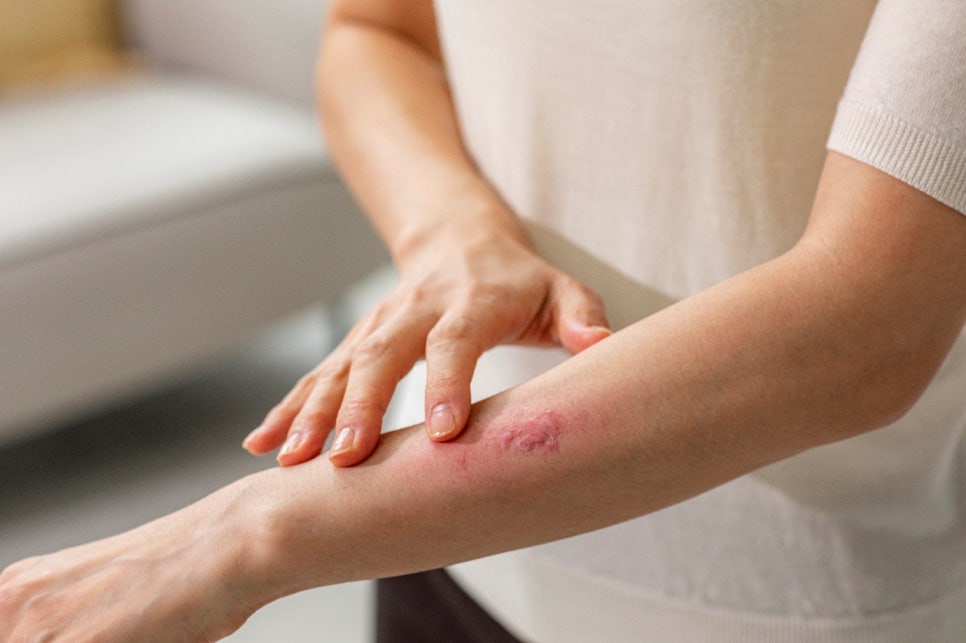
When people hear “atopic dermatitis,” many think it is simply a condition where the skin is itchy and dry.
Of course, it is true that atopic dermatitis is a skin condition that causes itching and dryness.
However, repeated itching can cause severe physical discomfort, and in serious cases, it can lead to sleep deprivation and chronic fatigue.
It can even cause psychological conditions such as depression and anxiety.
In addition, if atopic dermatitis is treated as a minor issue and left alone, small problems can gradually grow larger and develop into secondary bacterial infections. The skin itself can also become rough, like an elephant’s skin.
That is why, if you are stressed by repeated itching and skin rashes, it may be advisable to visit a clinic and plan appropriate treatment.
Today, the Sinpung Station atopic dermatitis dermatology clinic will explain in an easy-to-understand way why atopic dermatitis occurs, how it is treated, and how it should be managed, so please read the rest of this post to the end.
We hope this will be helpful for patients with atopic dermatitis.
- Causes of atopic dermatitis
- How to care for atopic skin
- Treatment methods for atopic dermatitis

Causes of atopic dermatitis?
A collection of many puzzle pieces
When people think of atopic dermatitis, many assume, “Isn’t it just because the skin got dry?”
But atopic dermatitis is not a skin condition caused by such a simple reason alone.
First, it is known as a skin condition that is strongly influenced by genetics.
In particular, if both parents have atopic dermatitis, there is about a 79% chance that their children may inherit it.
In addition, atopic dermatitis is closely related to environmental factors and can easily worsen due to dry weather, fine dust, and allergenic substances.
On top of that, house dust mites, certain foods, and polluted environments can worsen the skin barrier and cause atopic symptoms to progress more quickly.
Psychological stress caused by atopic symptoms is also one of the factors that can trigger or worsen atopic dermatitis.


How can you prevent and manage atopic dermatitis?
To care for the garden that is your skin...
Atopic skin is like a delicate plant that dries out easily and is vulnerable to pests and diseases.
If it is not properly cared for and protected, the plant can quickly wither. Likewise, if you are stressed by atopic dermatitis, you need to maintain steady care to prevent symptoms from worsening.
First, atopic skin has a weakened skin barrier, which makes dryness and inflammatory reactions more likely to occur.
For that reason, it may be advisable to apply moisturizer at least 2 to 3 times a day to prevent moisture loss from the skin.
This can also naturally strengthen the skin barrier and greatly help prevent atopic symptoms from worsening.
And, as mentioned earlier, atopic dermatitis can react sensitively to environmental factors such as house dust, mites, and fine dust, so it would be advisable to keep your home clean and wash carpets and bedding frequently.
Using an air purifier to clean indoor air can also be helpful.
Lastly, because atopic dermatitis can easily worsen due to certain foods, it is a good idea to check through allergy testing which foods may trigger it and avoid them completely.



Atopic dermatitis: never scratch it.
For patients with atopic dermatitis, the hardest thing to endure is probably the itching.
Of course, resisting the urge to scratch is easier said than done.
However, scratching the skin can create wounds and worsen inflammation.
That is why, rather than scratching the affected area indiscriminately, it may be advisable to visit a clinic and plan appropriate treatment.
First, atopic dermatitis treatment may include steroid ointment treatment, which many people are familiar with.
Because steroid ingredients help suppress inflammatory reactions in the skin, repeated treatment can help reduce itching and red rashes caused by atopic dermatitis.
If necessary, antihistamines may also be taken to help control itching.
However, if symptoms do not improve even with these methods, phototherapy using specific wavelengths may be needed.
Phototherapy is carried out by using ultraviolet light of a specific wavelength to control the inflammatory reaction in the skin, which is the underlying cause of atopic dermatitis.
This can regulate both the skin’s inflammatory response and immune response at the same time, so an overall improvement in skin problems can be expected.
However, if symptoms worsen to the point of oozing or heavy bleeding, treatment for that condition may need to come first, so it would be best to visit a clinic for a detailed consultation.

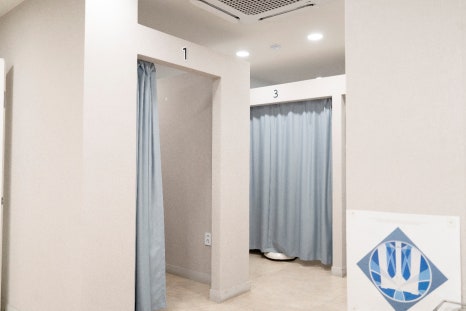
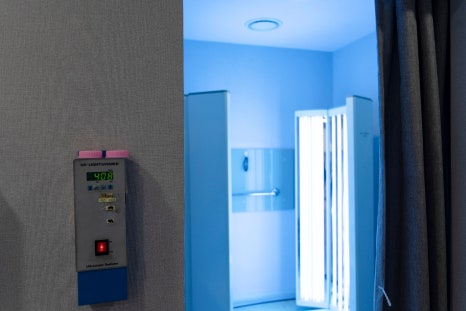
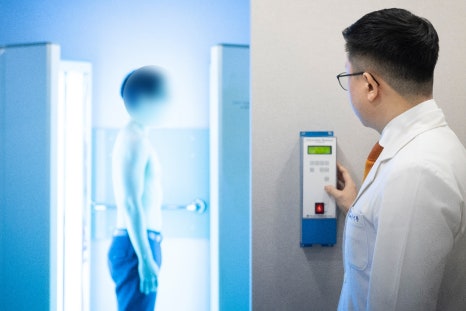
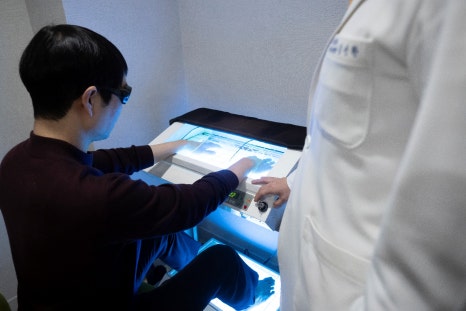
The phototherapy mentioned earlier by Sinpung Station atopic dermatitis dermatology does not involve any separate surgical procedure, so it has the advantage of being relatively comfortable to receive.
However, because it is a treatment that uses ultraviolet light, if the treatment intensity is too strong, the skin may suffer minor or major damage.
In some cases, the treated area may even be burned.
Therefore, after a thorough skin examination, it is advisable to receive treatment in a method that is appropriate for you.
Also, after treatment, the skin may react more sensitively to ultraviolet light, so you should pay extra attention to sun protection.
If you have any questions beyond what was covered today by Sinpung Station atopic dermatitis dermatology, please ask in the comments.
We will answer kindly. Thank you.
| This post was written for informational purposes in compliance with Article 56, Paragraphs 1 to 15 of the Medical Service Act. All treatments carry a risk of side effects and complications depending on the individual. Before treatment, be sure to make a decision only after sufficient consultation with medical staff who have extensive experience. |