How do you feel when you hear the word atopic dermatitis?
Atopic dermatitis is a skin condition that many people are familiar with.
However, because it is such a well-known skin condition, there are quite a few people who think of it as something not very serious.
But atopic dermatitis is a chronic skin disease that can deeply affect a patient’s daily life and quality of life, going beyond itching and rashes.
Repeated scratching and irritation can damage the skin and, as a result, cause inflammation, infection, and scarring.
Even severe itching can interfere with deep sleep and lead to ongoing discomfort.
In addition, if symptoms appear on highly visible areas such as the face or hands, patients may lose confidence in their appearance and become reluctant to interact with others.
In this way, atopic dermatitis is by no means a minor condition, and it is something we must manage carefully and approach responsibly.
Through the article that follows from the recommended dermatology clinic in Dangsan-dong, I will explain in detail the causes of atopic dermatitis and treatment methods, so if you have atopic dermatitis, please read the rest of the article closely.
- Causes of atopic dermatitis and skin care methods
- Treatment with steroid ointment for atopic dermatitis
- Precautions for steroid ointment treatment for atopic dermatitis


What are the causes of atopic dermatitis and how can it be managed?
Atopic dermatitis can be said to be the result of a complex combination of internal and external factors.
In particular, it is known to be closely related to external environmental factors.
Dry air, fine dust, and allergens are major triggers for atopic dermatitis, so it is best to be careful at all times to avoid exposure to these factors.
Also, during dry winter weather like now, it is advisable to use a humidifier to maintain an appropriate indoor humidity level.
In addition, using an air purifier may also help prevent the skin from being exposed to fine dust and allergens.
Because atopic dermatitis can easily worsen due to certain foods, it is a good idea to keep observing which foods make the itching worse.
Lastly, since stress is a major enemy of atopic dermatitis, I recommend managing stress through walking, yoga, or light exercise.


Can atopic dermatitis be treated with steroid ointment?
Atopic dermatitis is a chronic inflammatory skin disease.
In other words, it is a skin condition caused by inflammatory reactions in the skin.
Therefore, in order to improve it, a treatment method that can address skin inflammation is needed.
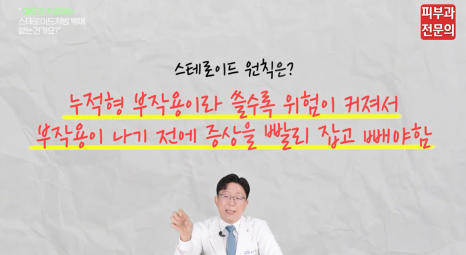
Steroid ointment is a treatment tool widely used for various skin conditions, including atopic dermatitis.
It has the characteristic of being applicable to the inflammatory skin reactions that are the root cause of atopic dermatitis.
Also, through this function, it may help relieve skin rashes, itching, and similar symptoms.
In addition, because it can be used relatively easily at home, it has the advantage of not requiring daily visits to the hospital.
Furthermore, steroid ointments are divided into seven levels according to strength, and the appropriate strength can be selected depending on the symptoms.
In short, you can understand this as allowing customized application according to each symptom.

What should you be careful about during steroid ointment treatment?
Steroid ointments have the characteristic of helping relieve various skin symptoms.
However, excessive or improper use can cause unexpected problems.
In particular, overuse of steroids can make the skin abnormally thin and sensitive.
Eventually, as the skin becomes more vulnerable to external irritation, atopic dermatitis symptoms may actually worsen.
In addition, as the blood vessels on the skin surface dilate, red marks may remain at the treatment site, and the skin may also become noticeably atrophic.
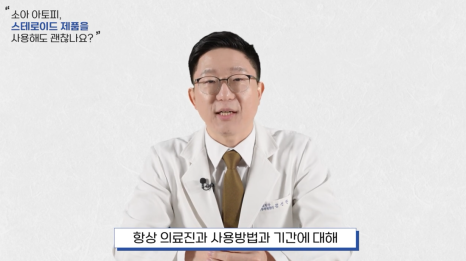
Therefore, if you want to expect safe and stable results, it is advisable to use steroid ointment according to the instructions of the medical staff.
First, if you apply the ointment all over the body, it may have small or large effects on normal skin tissue, so be sure to use the medication only on the affected area.
Also, if you apply too much ointment or use it for a long period of time, the risk of exposure to various side effects may increase, so it is important to follow the prescribed amount and schedule.
Lastly, if any abnormal skin reaction occurs during treatment, you should immediately inform the medical staff and receive appropriate care.
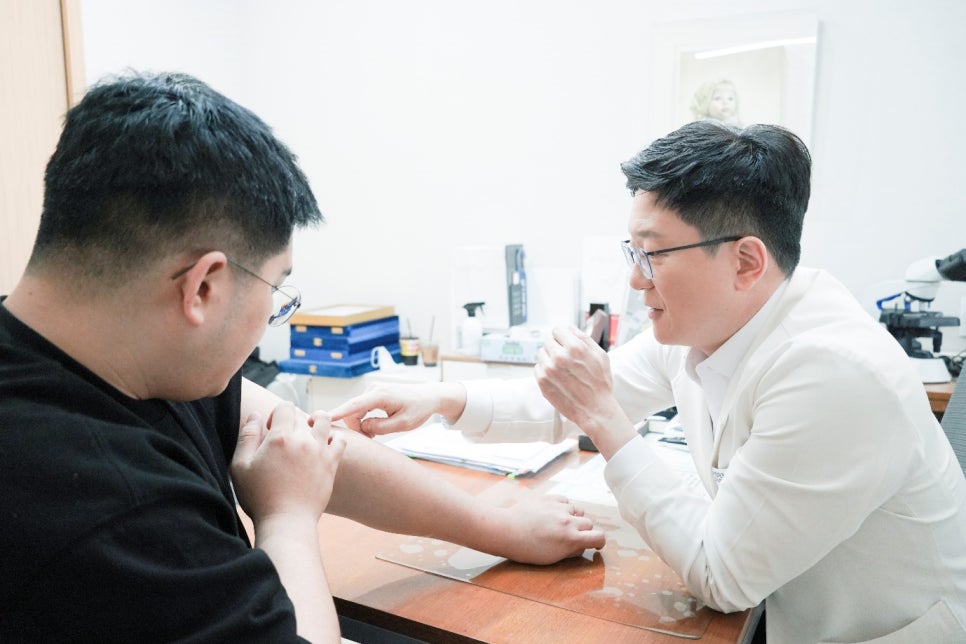
Atopic dermatitis is a complex condition that deeply affects quality of life and emotional well-being.
If you took the time to learn about and understand atopic dermatitis through the column from the recommended dermatology clinic in Dangsan-dong, now is the time to move on to the stage of action.
The process of managing atopic dermatitis is by no means an easy path.
It is a "journey" that requires constant effort amid itching, inflammation, and the fear of recurrence.
The most important thing in managing atopic dermatitis is the "power of small actions."
Managing the skin with moisturizer, adjusting bathing habits, and correcting environments that trigger allergies are all small actions, but together they can create big changes.
So please be sure to keep in mind the information shared today by the recommended dermatology clinic in Dangsan-dong and make an effort to care for your skin.
I hope today’s column was helpful, and I will now conclude the article.
Thank you for reading to the end.
| This post was written for informational purposes in compliance with Article 56, Paragraphs 1 to 15 of the Medical Service Act. All treatments carry a risk of side effects and complications depending on the individual. Before treatment, please be sure to make a thorough consultation with experienced medical staff before making a decision. |