Have you ever felt heartbroken seeing your child rub against their body in discomfort and lose sleep every night because of itching, or seeing red rashes spread across their cheeks, arms, and legs while they looked close to tears?
Parents reading this article will likely find themselves deeply relating to that feeling of pain.
Pediatric atopic dermatitis is not just a simple skin problem; it is a complex condition that can have a major impact on a child’s entire life.
When pediatric atopic dermatitis occurs, children may have trouble sleeping because of itching, which can lead to reduced concentration and even severe psychological stress.
In some cases, repeated scratching can worsen the condition to the point that the skin becomes inflamed, oozes fluid, and forms scabs.
In addition, when atopic dermatitis appears on highly visible areas, it can become a major appearance-related complex for children who are growing up.
The biggest concern here is that if pediatric atopic dermatitis is not managed in time, it can lead to atopic dermatitis in adulthood.
So if you are worried about your child’s atopic dermatitis symptoms, it may be advisable to visit a clinic as soon as possible and plan appropriate treatment.
Today, at Seoul Pediatric Atopy Clinic, we will explain in detail the causes of pediatric atopic dermatitis, suspicious symptoms, and the treatment methods accordingly, so please read the following article carefully.
- Differences between pediatric atopic dermatitis and adult atopic dermatitis
- Causes of pediatric atopic dermatitis and how to prevent worsening
- Precautions for steroid ointment treatment for pediatric atopic dermatitis


What makes pediatric atopic dermatitis different from adult atopic dermatitis?
As the name suggests, pediatric atopic dermatitis is a skin condition that mainly appears in young children.
It also has the characteristic of showing symptoms that are somewhat different from adult atopic dermatitis.
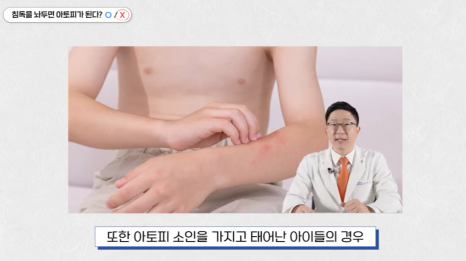
First, from around 2 months to 2 years of age, red rashes often appear on both cheeks. After the age of 2, severe itching and red rashes may occur in the inner areas of the elbows and knees, the wrists, and other joint areas.
In addition, as the seasons change, the skin around the ears may crack or become inflamed.
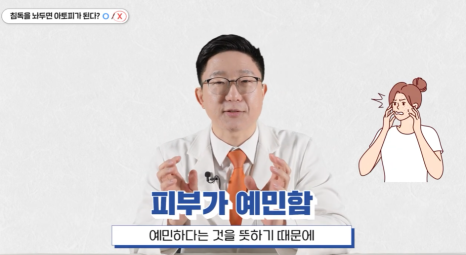
Furthermore, in children born with an atopic tendency, the skin may be extremely sensitive, and as a result, drool rash may appear more severely than in other children.
Also, heat rash may occur severely or continue for a long time without improving.
Therefore, if children show these symptoms, they may be clues indicating the onset of pediatric atopic dermatitis, so please visit a clinic and receive a detailed diagnosis.
What are the causes of pediatric atopic dermatitis, and how can worsening be prevented?
Pediatric atopic dermatitis is like a complex puzzle.
This puzzle is formed by a combination of genetic factors, environmental factors, and the immune system.
First, let me explain the genetic factor, which can be considered the largest piece.
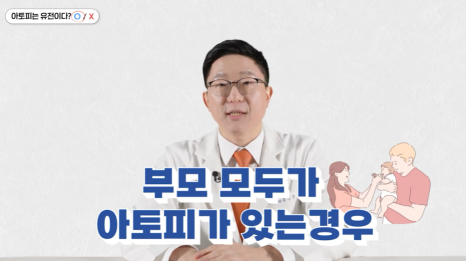
Atopic dermatitis is reported to be closely related to genetic factors, and it is known that if even one parent has a history of atopic dermatitis or allergies, the child’s likelihood of developing atopic dermatitis can become much higher.
In addition, dry environments take moisture away from the skin, which in turn rapidly weakens the skin barrier and can cause atopic dermatitis symptoms to appear more severely.
Beds, carpets, and sofas that children frequently come into contact with can also have a major impact on the onset and worsening of atopic dermatitis.
Therefore, it is a good idea to protect your child’s skin through humidifiers, wet towels, and moisturizers, and it would be advisable to wash blankets, carpets, and sofas frequently.
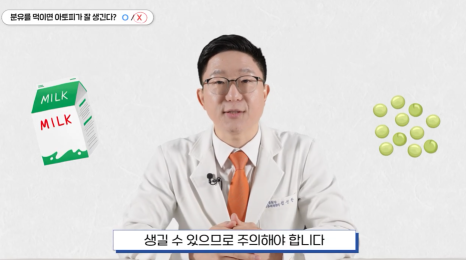
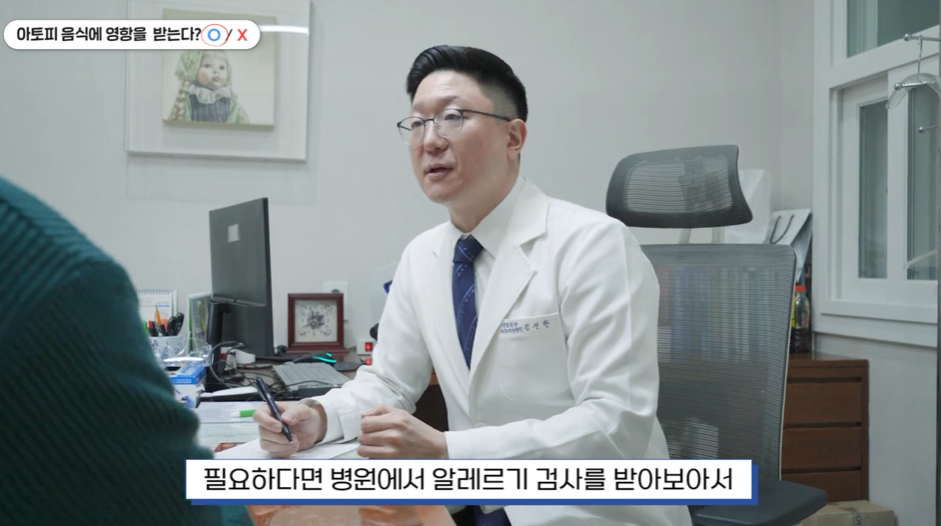
Also, dairy products and irritating instant foods can trigger or worsen atopic dermatitis symptoms, so it is good to keep observing carefully which foods make your child’s symptoms worse.
If you want to know in detail which allergy-causing substances trigger atopic dermatitis, it may be helpful to visit a clinic and undergo testing.
We covered atopic allergy testing in a recent column, so please refer to the link attached below.
Is steroid ointment treatment for pediatric atopic dermatitis dangerous?
Pediatric atopic dermatitis can be treated with steroid ointment.
Steroid ointment has the characteristic of helping greatly relieve itching by suppressing inflammatory reactions within the skin.
However, because steroid ointment is often associated with concerns about side effects, many guardians feel resistant to steroid treatment.
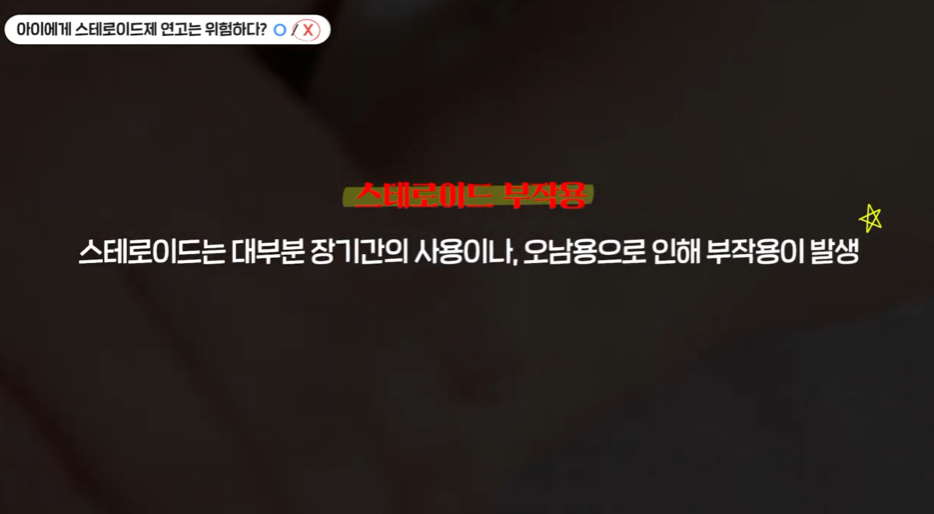
Steroid side effects can be broadly divided into skin atrophy, vasodilation, and more.
However, these occur when steroids are used for a long period or excessively, so if the medication is used correctly according to the medical staff’s instructions, the likelihood of such side effects is extremely low.
First of all, applying steroid ointment thickly does not mean you can expect better results, so you must apply an appropriate amount in a thin layer.
Also, steroid ointments are classified into many different types depending on their strength, and since low-strength ointments that can be used by infants and children have also been developed, it is important to use an ointment suited to your child’s symptoms through sufficient consultation.
Please remember that steroid ointment is not something to fear, but rather a ‘helping hand’ that should be used properly with the right understanding.
Pediatric atopic dermatitis is a skin condition that causes great stress for both children and parents.
It is hard to put into words how painful it is for a child struggling with itching and for a parent who feels distressed while watching that child.
Improving pediatric atopic dermatitis requires consistency and careful attention.
When small habits such as applying moisturizer every day and keeping the environment clean build up, a child’s skin can gradually become more stable.
And when the child scratches their skin, you should help them avoid doing so, and when itching becomes severe, you should take emergency measures such as cold compresses.
Also, please remember that a parent’s positive attitude and love can greatly help a child overcome the difficulties caused by atopic dermatitis with more confidence.
If you have any questions beyond what Seoul Pediatric Atopy Clinic shared today, please leave them in the comment box below.
We will answer kindly.
Thank you for reading Seoul Pediatric Atopy Clinic’s article to the end.
| This post was written for informational purposes in compliance with Article 56, Paragraphs 1–15 of the Medical Service Act. All treatments carry risks of side effects and complications depending on the individual. Before treatment, please be sure to make a decision after having sufficient consultation with experienced medical staff. |