A clean complexion is like a clean, well-wiped window.
When the window is clean, sunlight pours into the room, making the space look bright and cheerful.
But what happens if the window is left with blotchy stains and dust builds up on it?
Even if the view outside is beautiful, it may not be properly seen.
The same goes for our skin.
When the skin is clear, not only your appearance but also your inner confidence can shine.
However, when a small troublemaker called acne appears, everything becomes unbalanced and can create a very negative image.

Acne may seem like a simple skin concern, but in reality, it is a skin condition that causes psychological and emotional stress for many people.
In particular, acne that appears on the face can have a very serious impact on first impressions.
It can also affect confidence and interpersonal relationships.
In this way, acne is by no means a minor issue; it is a serious condition that can gradually reduce quality of life.
That is why you should not take it lightly and should actively plan treatment.
Today, at a Seoul acne care dermatology clinic, we would like to share information that may be helpful for those who are stressed by red, inflamed acne.
We hope the following article will be helpful for those who want to improve acne.
- Characteristics of non-inflammatory acne and inflammatory acne
- Treatment methods for inflammatory acne
- Precautions after inflammatory acne treatment
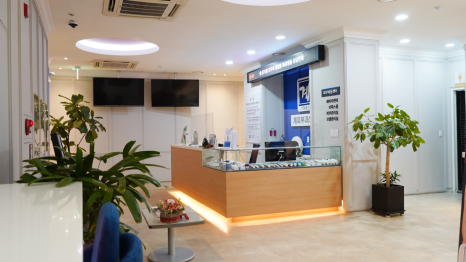
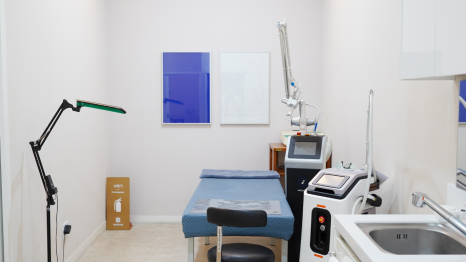
Types of acne: non-inflammatory vs. inflammatory, let's understand them properly!
Acne is divided into inflammatory and non-inflammatory types depending on how the symptoms appear.
Among them, non-inflammatory acne is commonly called small white bumps, blackheads, or whiteheads.
It occurs when sebum and dead skin cells harden on the skin surface and block pores, and it is characterized by the absence of redness or pain.
And with thorough cleansing, you can expect the symptoms to gradually improve.
However, inflammatory acne is a different story.
Inflammatory acne occurs when acne bacteria multiply in the lesion area and an inflammatory reaction appears as a result.
It is often located deep under the skin and may be accompanied by dull pain and yellow pus.
In addition, if you squeeze it with your hands or a tool, the contents inside may be expelled.
Those who have read this far may be thinking, "Wouldn't it just be okay to squeeze the acne?"
However, forcibly extracting acne can cause major or minor damage to the skin, and the inflammatory reaction can spread to surrounding tissue.
It can even lead to depressed scars and pigmentation caused by damage to the dermis.
That is why you should not try to squeeze acne yourself, and instead visit a clinic to receive appropriate treatment.
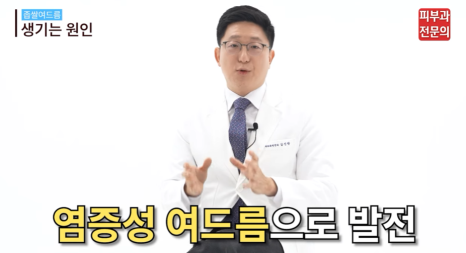
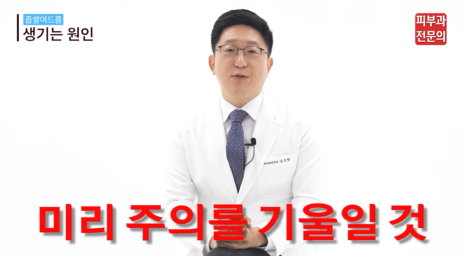
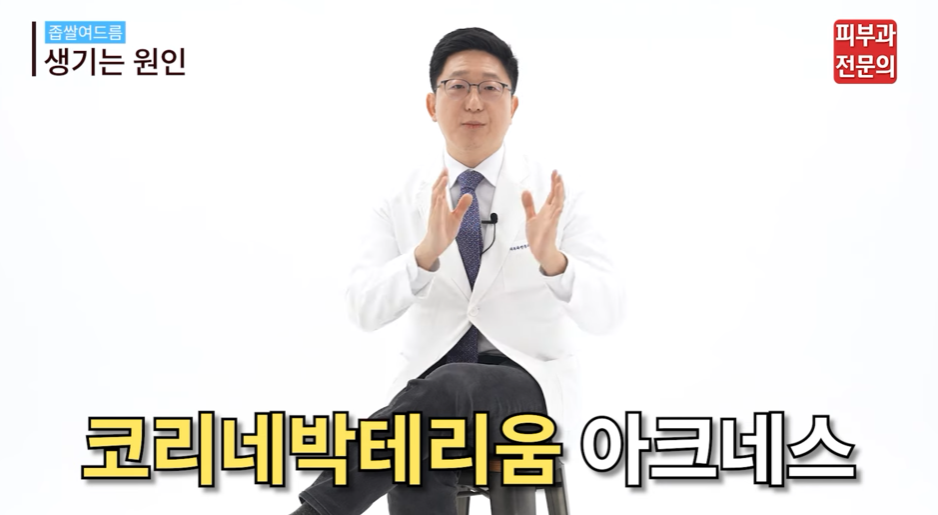
How should inflammatory acne be treated?
As mentioned earlier, inflammatory acne becomes red and swollen, and even touching it with your hand can cause throbbing pain.
And if you try to treat it yourself, it can cause significant damage to the skin and lead to secondary problems.
This is why you should visit a dermatology clinic and set up a treatment plan whenever possible.
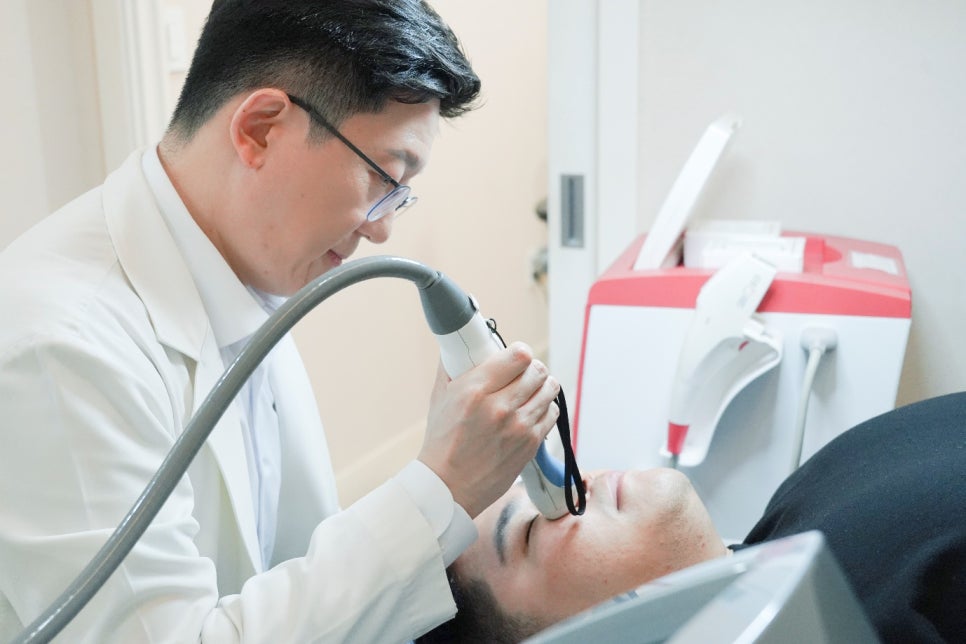
Treatment for inflammatory acne can first be done through an "anti-inflammatory injection."
As the name suggests, the anti-inflammatory injection uses a "steroid-based medication" that can be applied to acne bacteria.
When injected into the lesion area, it can help control the inflammatory reaction that is the root cause of acne, improving the raised acne lesions.
However, if too much is injected without carefully checking the severity of the symptoms, a localized area of the skin may become atrophic.
Of course, this usually improves naturally over time, but while the skin atrophy remains, the patient may have to endure significant psychological stress, so the medication should be injected in the necessary area in an appropriate amount.
Acne: how can recurrence be prevented?
Acne is not simply a problem of sebum and dead skin cells; it is a skin condition influenced by multiple factors.
Because of this, the likelihood of symptoms recurring is relatively high compared to other skin conditions.
Therefore, after acne treatment, you need to prevent recurrence through consistent skin care.
First, because acne is a skin condition caused by excessive buildup of sebum and dead skin cells, you should perform thorough cleansing every day to remove the sebum and dead skin cells accumulated on the skin.
It may also be advisable to use cosmetics that do not clog pores.
In addition, sugary foods, greasy foods, and dairy products can worsen acne, so it is good to frequently consume fresh vegetables and fruits.
Lastly, when the skin becomes dry, sebum production may actually increase and acne symptoms may worsen, so balancing the skin's oil and moisture levels can be helpful.
 Previous image
Next image
Previous image
Next image
Acne care is like a marathon.
You have to keep your own pace and run toward the final destination: healthy skin.
When daily cleansing, proper moisturizing, a healthy diet, and treatment from medical professionals come together, you can expect your overall skin to become healthy and clear.
So, based on the information shared today by the Seoul acne care dermatology clinic, we hope you will establish a consistent treatment plan.
If you still have questions beyond what was covered above, please ask in the comments below.
We will answer sincerely.
Thank you for reading this post from the Seoul acne care dermatology clinic to the end.
| This post was written for informational purposes in compliance with Article 56, Paragraphs 1 through 15 of the Medical Service Act. All treatments carry the risk of side effects and complications depending on the individual. Before treatment, please be sure to make a sufficient consultation with experienced medical staff before making a decision. |