When many people hear the word vitiligo,
they think,
'It will be difficult to treat.'
'It will be hard to treat.'
For this reason, it is not uncommon for people to give up on treatment.
Of course, it is true that vitiligo treatment takes a long time.
However, if you give up on treatment and leave the symptoms untreated, they may spread rapidly and cover the entire body.

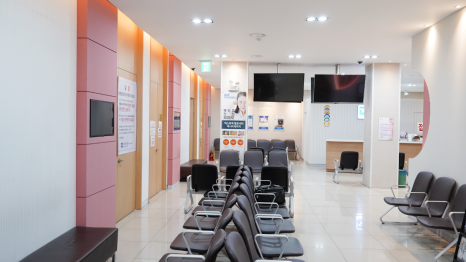
In the past, treatment options for vitiligo were quite limited.
However, thanks to many studies and advances in medicine, various treatments that can be applied to vitiligo have been developed.
And if you receive treatment suited to your skin condition, you can expect the noticeable white patches to gradually improve over time.
Vitiligo is not an incurable disease that is difficult to treat, as many people think.
And the moment you decide to treat vitiligo, you are already halfway to success.
What matters most, however, is consistency, a positive mindset, and the right treatment plan.
Today, I wrote this article to offer a little help to those planning vitiligo treatment at a dermatology clinic near Yangpyeong Station.
If you want clear and healthy skin, the following article may be helpful, so please read attentively from here on.
-Today's column outline-
- Vitiligo: symptoms by type
- Causes of vitiligo and how to prevent worsening
- Vitiligo treatment method [excimer laser treatment]
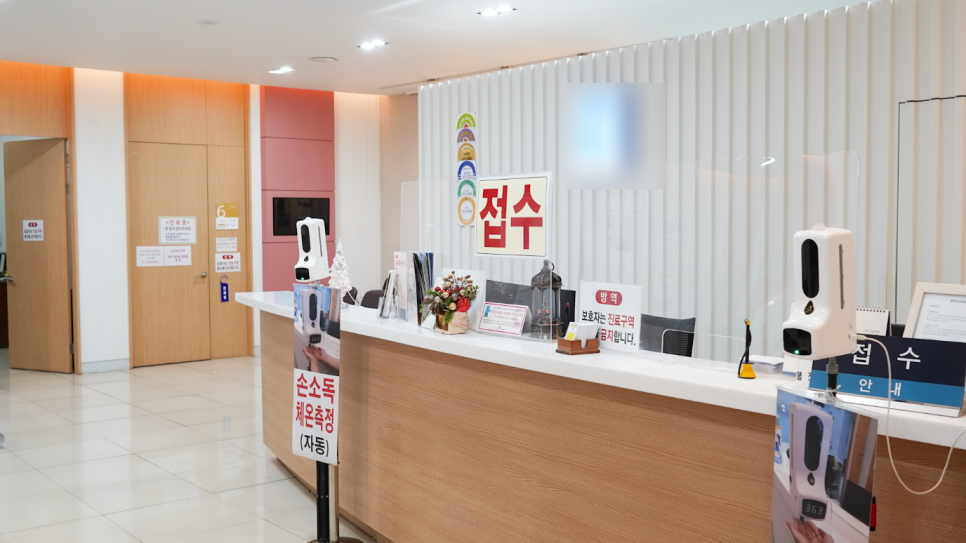
Vitiligo: is it simply a skin condition that causes white patches?
Vitiligo is a skin condition that causes clearly defined white patches to appear on various parts of the skin.
However, you should not think of it simply as a "skin condition that shows white patches on the skin."
A distinguishing feature of vitiligo is that it shows different symptoms depending on the type.
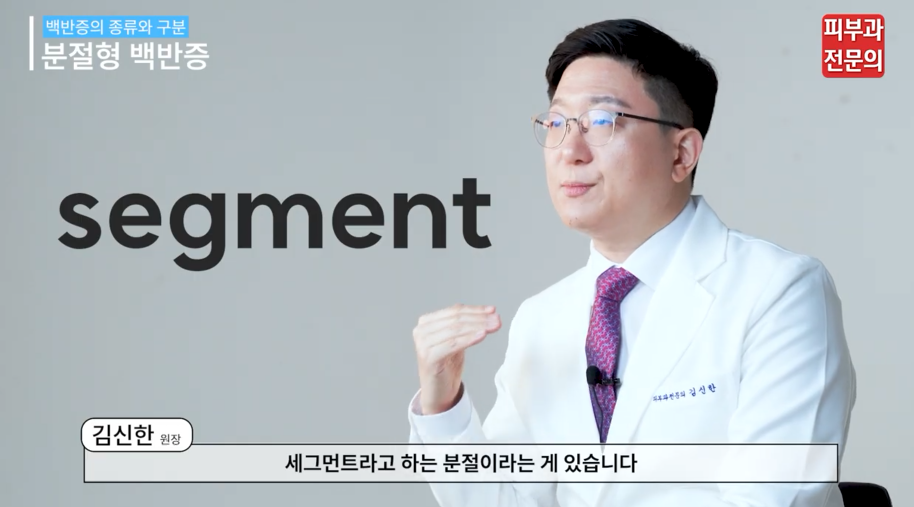
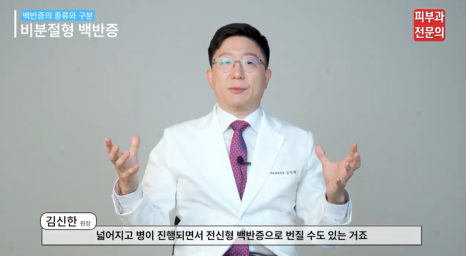
First, vitiligo is broadly divided into segmental, non-segmental, and mixed types.
In the case of segmental vitiligo, white patches form along a specific body segment, as the name suggests.
In other words, it appears in a fixed pattern, such as on one arm, one leg, or a part of the face.
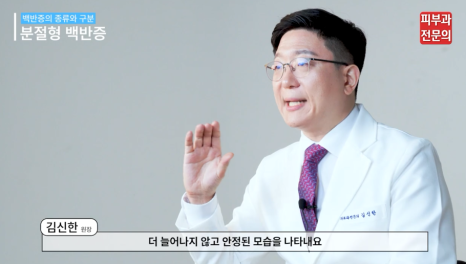
It also tends to occur at a young age and may spread quickly before stabilizing after 1 to 2 years.
By contrast, non-segmental vitiligo can occur anywhere on the body. It often appears locally at first, but over time it has a higher chance of gradually spreading.
In severe cases, the symptoms can spread throughout the body, and treatment and management may take a long time.
What causes vitiligo, and how can worsening be prevented?
Our skin contains a pigment called melanin.
And melanocytes are what produce this melanin pigment.
Vitiligo is a skin condition in which these melanocytes are lost, causing the skin to gradually turn white.
So why do these melanocytes disappear?
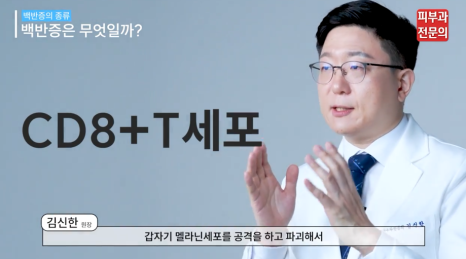
Our body has an immune system that protects us from outside bacteria and viruses.
However, when something goes wrong in the body, this immune system may mistake even our normal cells for enemies and attack them.
In particular, if it attacks the innocent melanocytes, pigment can be lost from various parts of the skin, leading to noticeable depigmented patches.
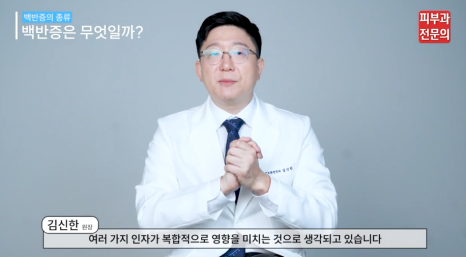
For that reason, it may be advisable to focus on stress control and fatigue management so that the body can maintain a healthy immune system.
Also, external stimuli such as physical friction, chemicals, and ultraviolet rays can be causes of vitiligo, so it is a good idea to take care to avoid irritating the skin.
Lastly, as many people know, vitiligo is closely related to ultraviolet rays, so paying attention to sun protection regardless of the season will be helpful.
Vitiligo: what are the treatment options?
Vitiligo treatment is generally carried out using medications such as ointments.
In early vitiligo treatment, steroid ointments or immunomodulators are used.
However, if you feel that symptoms are not improving even with these methods, it may be advisable to visit a clinic and undergo phototherapy.
Phototherapy is divided into ultraviolet photochemotherapy and excimer laser treatment.
Among these, excimer laser treatment uses energy at a wavelength of 308 nm and may help stimulate melanocytes in the skin.
In addition, it can help regulate the problematic immune system and contribute to suppressing the progression of vitiligo.
This can suppress the underlying cause of vitiligo while allowing melanin pigment to reform, so you can expect the noticeable white patches to gradually improve.
In addition, because no separate surgical procedure is performed, a quick return to daily life may be possible.
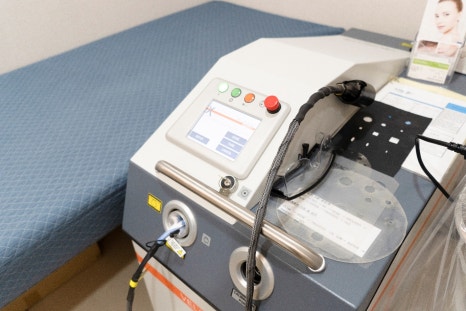
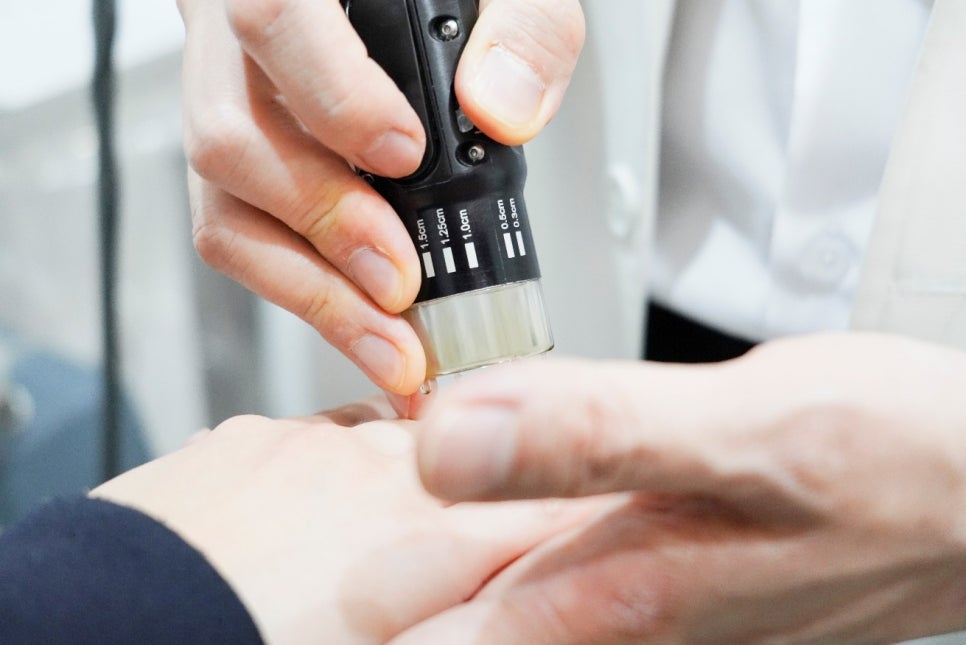
Excimer laser is a treatment with several advantages.
However, because vitiligo is a skin condition that develops as various factors accumulate over time, it is difficult to expect major changes in a short period.
Just as your body does not suddenly change after exercising only a few times, excimer laser treatment must also be received regularly and consistently to expect satisfactory improvement in symptoms.
Therefore, it may be advisable to plan treatment according to the guidance of the medical staff.
Please remember that the most important thing is not to give up and to continue treatment consistently.
If you have any questions beyond what was shared today in the recommendation for a dermatology clinic near Yangpyeong Station, please ask through the comment box below.
We will kindly answer you.
Thank you for reading the Yangpyeong Station dermatology clinic recommendation to the end.
| This post was written for informational purposes in compliance with Article 56, Paragraphs 1 through 15 of the Medical Service Act. All treatments carry a risk of side effects and complications depending on the individual. Before treatment, be sure to make a full consultation with a medical professional who has extensive experience before making your decision. |