Healthy skin is like a strong castle wall.
But if a small crack appears in that wall, it may no longer provide proper protection.
Our skin is the same.
When skin is healthy, it can be protected from external irritants, but if a problem occurs beneath the surface, the risk of exposure to various skin conditions can increase.
Among them, vitiligo is a condition in which parts of the skin turn white, and it is a skin problem experienced by more people than you might think.
If one day you look in the mirror and notice a small spot on your skin, what would you think?
'Did I get too much sunlight?'
'Did my cosmetics cause this?'
Various concerns may come to mind.
Vitiligo is more than a simple change in pigmentation, and because it can have a significant impact on the entire body, it may be advisable to begin appropriate treatment early.
Today, we will clearly organize the causes of vitiligo, ways to prevent worsening, and treatment methods.
We hope this article from Yeongdeungpo-gu Office Station Dermatology will be helpful for those planning vitiligo treatment.
- Vitiligo: What happens if it is left untreated
- How to prevent vitiligo from worsening
- Vitiligo ointment treatment, precautions for ointment treatment

Vitiligo early symptoms: What happens if it is left untreated
Vitiligo is a skin condition in which white patches form as melanocytes, which determine skin color, are lost.
This condition is characterized by symptoms that begin as small and mild at first.
You can think of it as if the color in part of a picture has been erased, causing part of the skin to turn white.
However, if these symptoms are considered a simple skin change and left untreated, they can rapidly worsen and cause various problems.
In particular, if non-segmental vitiligo is left untreated, the symptoms may spread throughout the body over time, leading to an appearance-related complex.
In addition, these symptoms may lead to psychological stress, causing greater concern about social attention and a loss of confidence in interpersonal relationships.
Treatment time and cost may also increase.
Therefore, no matter how small the spot may be, please do not take it lightly and visit a clinic for a detailed examination.
How can vitiligo be prevented from worsening?
When they first discover vitiligo, many people think, 'It will probably get better if I just wait.'
And they end up leaving the symptoms untreated.
But as mentioned earlier, vitiligo is more than just a 'pigment change.'
Also, once melanocytes are destroyed, they do not naturally regenerate, so it is best to carry out consistent management to prevent symptoms from developing or worsening.
First, strong sunlight can contribute to the loss of melanocytes, so it is good to apply a sunscreen with SPF 30 or higher regularly.
Also, when going outside, it is advisable to protect the skin by wearing a hat, long clothing, sunglasses, and similar items.
Lastly, because vitiligo is a type of autoimmune disease, it is advisable to manage fatigue and stress so that a healthy immune system can be maintained.
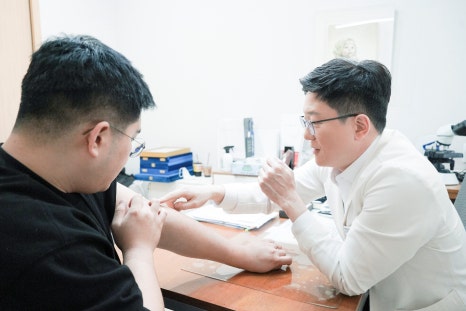

Can vitiligo ointment treatment be tried?
As mentioned earlier, vitiligo is a chronic skin condition caused by a malfunction in the immune system.
For this reason, a treatment method that can be applied to such a problem is needed.
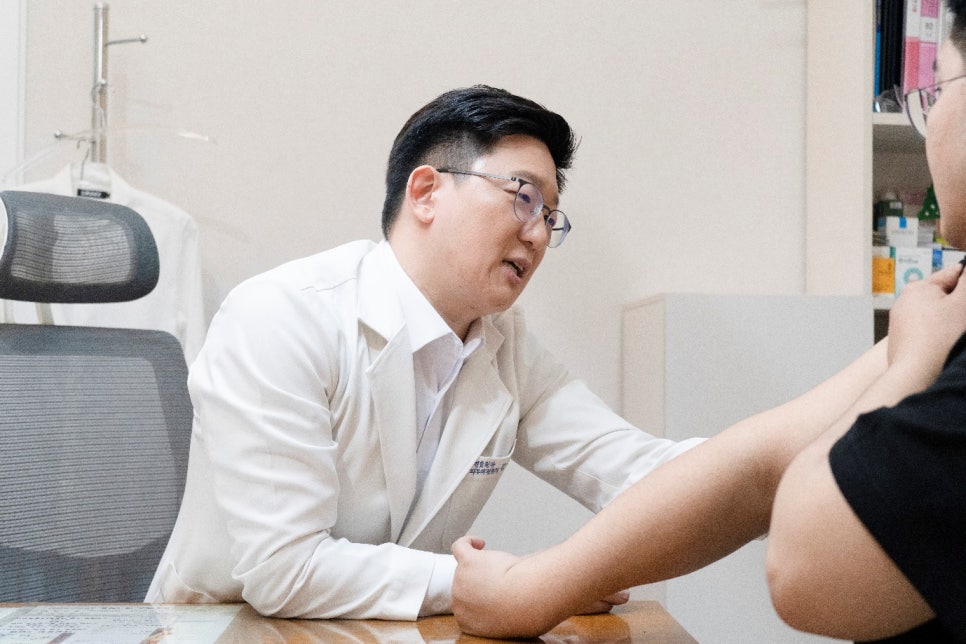
Immunosuppressive ointment treatment can help reduce the excessive immune response so that melanocytes are no longer attacked.
Through this, the progression of vitiligo can be slowed, and the appearance of new depigmented patches can be prevented.
In addition, by promoting melanocyte regeneration, the borders of depigmented patches may gradually become less distinct.
Also, many immunosuppressive ointments are non-steroidal products, so even those concerned about steroids can proceed without too much worry.
However, vitiligo is not a skin condition in which symptom improvement can be expected overnight.
Also, the ointment must be applied consistently for at least 3 to 6 months before the effects of natural melanocyte recovery can be expected.
If you stop using it abruptly, vitiligo symptoms may worsen again, so it is advisable to continue treatment while consulting with medical staff.
Finally, you should avoid vigorous massage after applying the ointment, and if necessary, combining photochemotherapy or excimer laser treatment may be helpful.



Vitiligo treatment is not something that ends in a short period of time, but rather a process that requires long-term, consistent management.
Therefore, after starting treatment, instead of becoming discouraged and giving up because there are no noticeable changes, it is better to continue treatment and management.
It is also important to view yourself positively and maintain the mindset that things can improve day by day.
In addition, vitiligo treatment is carried out differently depending on the pattern of symptoms, so it is best to undergo a thorough skin examination first and then plan the appropriate treatment.
We hope the information shared today by Yeongdeungpo-gu Office Station Dermatology has been helpful^^
If you have any questions beyond the above, please ask in the comments below.
Thank you for reading the post from Yeongdeungpo-gu Office Station Dermatology to the end.
| This post was written for informational purposes in compliance with Article 56, Paragraphs 1 to 15 of the Medical Service Act. All treatments carry a risk of side effects and complications depending on the individual. Before treatment, be sure to have a thorough consultation with experienced medical staff before making a decision. |