Our skin is like a precisely designed factory.
In this factory, new cells are made on a regular cycle, and old cells naturally shed.
Through this process, healthy and clear skin is maintained.
But what happens if this factory suddenly starts running too fast?
Just as a factory overproducing products eventually fills up its warehouses, thick scales can build up all over the skin.
In severe cases, bumpy red rashes may appear on the skin surface, and itching and pain can also accompany them.
Eventually, the skin may no longer perform its original functions, which can have a major impact on quality of life.
If you are reading this article by a dermatologist near Mullae Station, you may be feeling stressed because of these skin symptoms.
With that in mind, today, as a dermatologist near Mullae Station, I would like to explain in detail about psoriasis, a skin disease that occurs when there is a problem with the skin cell turnover cycle.
If you think the skin symptoms you are experiencing may be caused by psoriasis, I hope you will focus on reading today’s column.
- Symptoms that may indicate psoriasis
- Psoriasis phototherapy
- What you should know to help prevent psoriasis from recurring
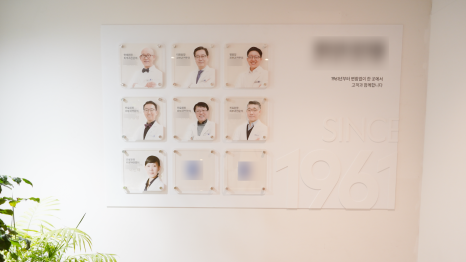

Symptoms that may indicate psoriasis - Your skin can change like this.
Psoriasis is a chronic condition that occurs in our skin and is caused by excessive production of skin cells.
The main symptom of this condition is thick, scale-like skin.
These symptoms can create a very unclean appearance, as if dust has accumulated on an old book.
In addition, some areas of the skin become red, and inflammatory reactions occur, which can lead to mild itching.
Psoriasis mainly occurs in areas with a lot of friction, such as the elbows, knees, and scalp, and as time passes, its symptoms can spread throughout the body.
In severe cases, the skin can gradually become as thick as an elephant’s skin, the skin surface can crack open, and bleeding can occur through those cracks.
It can also cause secondary complications such as arthritis, cardiovascular disease, and depression.
Therefore, I can say that it is best not to take psoriasis lightly and to visit a hospital early to plan appropriate treatment.
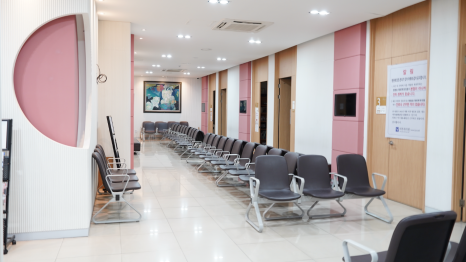


Can psoriasis be treated with light?
Early-stage psoriasis may improve with ointment treatment.
However, if symptoms do not improve with ointment treatment alone, phototherapy may be advisable.
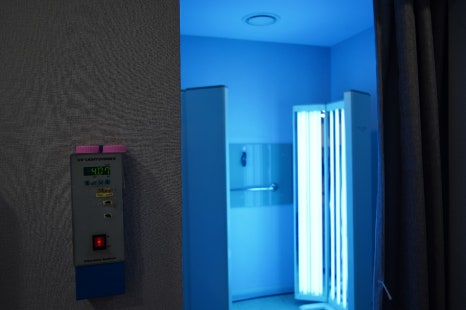
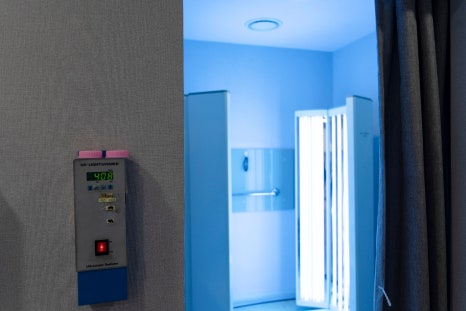
Phototherapy is a treatment method that uses ultraviolet light of a specific wavelength.
By this point, many readers may be thinking, “Isn’t ultraviolet light bad for the skin?”
But contrary to what many people know, moderate amounts of ultraviolet light can help suppress skin inflammation.
Phototherapy is a treatment that makes use of ultraviolet light’s anti-inflammatory function, and its goal is to suppress excessive skin cell proliferation and inflammatory reactions.
In addition, as the skin cell turnover cycle becomes normalized through this process, improvement can be expected in thick scales and red rashes.
Also, since no separate surgical procedure is performed, it has the advantage of causing relatively little treatment pain.
(*The degree of pain felt varies greatly from person to person, so please use this only as a reference.)
However, not everyone can expect satisfactory results from phototherapy.
In particular, if symptoms are severe enough that the skin is oozing, inflammation treatment may need to be performed first, so please visit a hospital and receive detailed guidance.
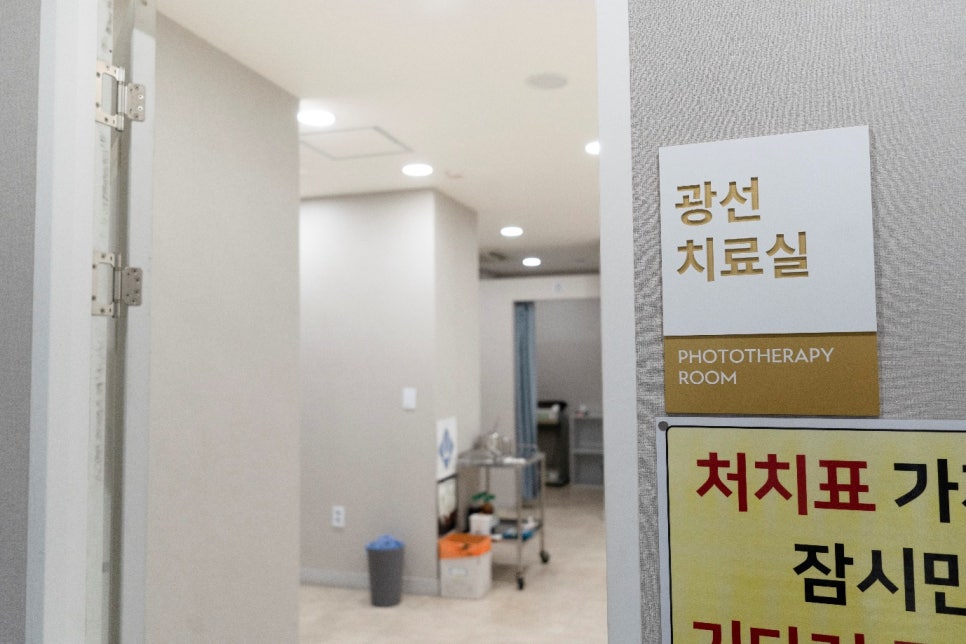
Psoriasis, did you think it was over?
After receiving treatment for psoriasis, many people think, “That’s it, it’s over!”
But psoriasis is not a condition that ends just because it has been treated.
Because psoriasis often reappears without you even realizing it, continuous management is essential, not just removing the symptoms.
First of all, psoriasis is not just a problem that occurs on the skin surface; it is a type of chronic disease caused by abnormalities in the immune system.
Therefore, it is advisable to manage stress and fatigue so that your immune system can remain healthy.
A healthy diet also helps greatly in preventing psoriasis from recurring, so please try to eat plenty of green and yellow vegetables, tomatoes, and blueberries.
Also, as many people know, dry skin is one of the major factors that worsens psoriasis.
So, to keep your skin from drying out, it is good to pay even more attention to moisturizing than usual, and please apply moisturizer within 3 minutes after showering to maintain skin hydration.
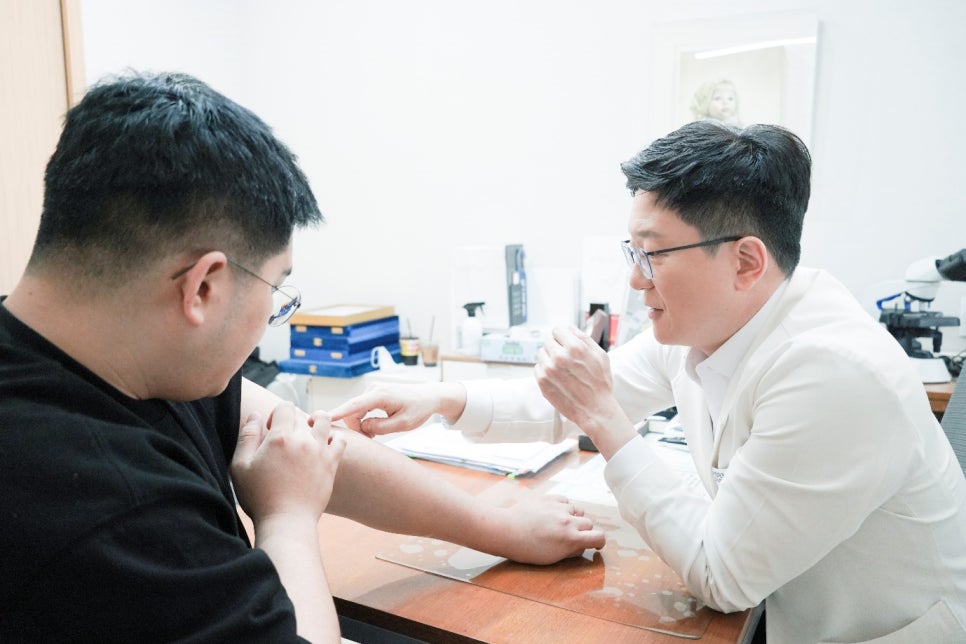

Psoriasis does not end just because treatment is over.
Just as weeds grow back even after being pulled out, psoriasis can recur at any time if it is not managed consistently.
So, please carry out careful skin care so that symptoms do not recur. ^^
And while self-management is important for psoriasis, getting help from medical professionals is just as important.
Therefore, even if the symptoms seem to have disappeared, do not let your guard down and make sure to visit a dermatologist regularly to check your current condition.
If you have any questions in addition to what the dermatologist near Mullae Station shared today, please ask through the comments below.
We will kindly answer.
Thank you for reading to the end.
| This post was written for informational purposes in compliance with Article 56, Paragraphs 1 to 15 of the Medical Service Act. All treatments carry risks of side effects and complications depending on the individual. Before treatment, be sure to have 충분히 consult with medical professionals with extensive experience before making your decision. |