Have you ever seen a puzzle that is perfectly put together?
A well-made puzzle comes together piece by piece to create a complete picture.
Our skin is the same way.
Maintaining smooth, even skin tone is the foundation of healthy skin.
But what if white patches appear all over the skin, as if pieces of a puzzle were missing?
It would look awkward, like an important color had been left out of a painting, and you would probably feel very flustered.

Skin color can be lost for many reasons, and one of them is vitiligo.
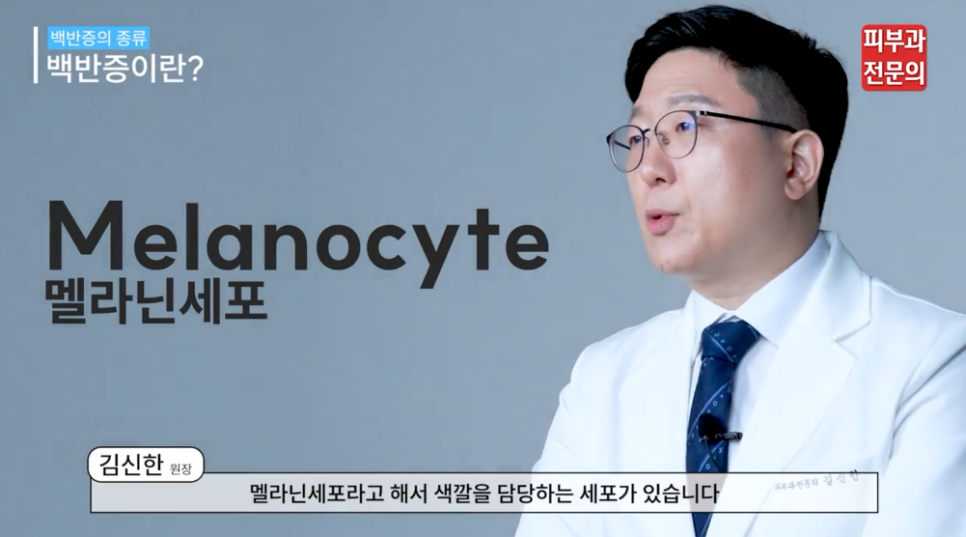
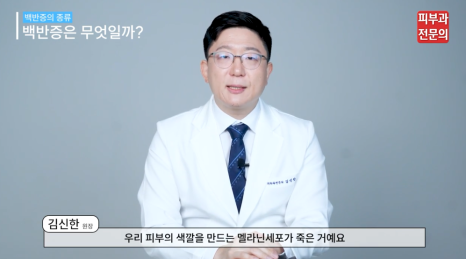
Vitiligo occurs when melanocytes, the cells that produce melanin pigment, stop functioning or disappear.
As a result, the skin loses its original color and turns white.
This symptom is often thought of as only a cosmetic issue, but in fact it can have a major impact on quality of life.
In particular, it can make people feel uncomfortable about others' attention, lead them to keep wearing long sleeves and long pants even in summer, and even lower confidence and self-esteem because of appearance-related complexes.
That is why it is best not to take it lightly and to plan treatment as early as possible.
Today, as a dermatologist specializing in vitiligo laser treatment, I would like to share information that may be helpful for patients with vitiligo.
Please read this article from a vitiligo laser dermatology specialist to the end and take away information that may help you plan treatment.
- Causes of vitiligo onset and worsening
- Vitiligo excimer laser treatment
- How to prevent vitiligo recurrence


Causes of Vitiligo Onset and Worsening
What if immune cells rebel?
Our bodies stay healthy through the cooperation of countless cells.
But what if the immune cells that are supposed to protect the body suddenly rebel and attack our healthy skin?
This "immune rebellion" is one of the main causes of vitiligo.
Vitiligo is a skin condition that occurs when the immune system makes the wrong judgment.
To explain in more detail, it happens when immune cells mistake normally functioning melanocytes for foreign invaders and attack them.
Because of this, people with autoimmune diseases such as thyroid disease or diabetes may be at higher risk of developing vitiligo.
Also, if a parent or sibling has vitiligo, the likelihood of developing these symptoms can be relatively high.
In addition, strong sunlight, external friction, and chemical products are also known to have a major effect on the development of vitiligo.

Why Is Early Treatment of Vitiligo Important?
Information on Excimer Laser Treatment
Once melanin is lost, it does not naturally regenerate.
Of course, in segmental vitiligo, after a certain period of time, the lesions may stop spreading and symptoms may settle to some extent.
However, unfortunately, in non-segmental vitiligo, the depigmented patches tend to gradually increase in size over time, and in severe cases, they can affect the entire body.
That is why you should plan treatment as soon as possible to protect the remaining melanocytes and encourage pigment regeneration.
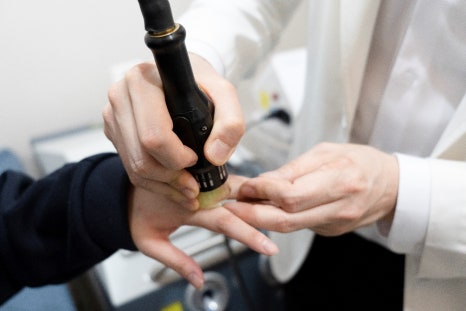
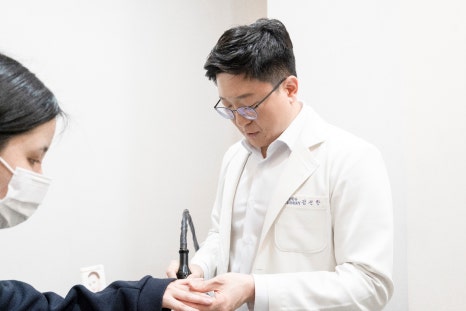
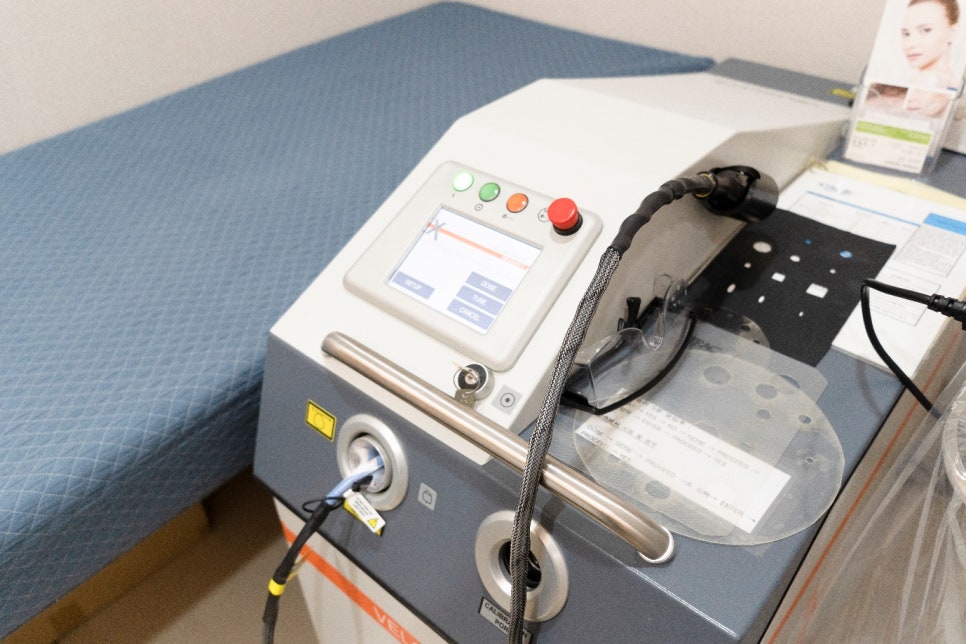
Excimer laser treatment is a treatment method that can be applied to various skin conditions, including vitiligo.
It uses ultraviolet light at a wavelength of 308 nm and may help promote the recovery of melanocytes.
In addition, because the laser energy targets only the affected area, it has the advantage of minimizing effects on the surrounding normal skin tissue.
On top of that, since no separate surgical procedure is involved, even those concerned about pain can undergo treatment more comfortably.
However, as with anything, too much of it can be harmful. If excessive amounts of light are delivered, the skin can suffer greater or smaller damage and may be exposed to side effects such as burns.
So after a thorough skin examination, it is important to receive treatment at a strength that is appropriate for you.
Vitiligo Treatment,
Why Is Consistency the Answer?
As mentioned earlier, vitiligo involves damage to the melanocytes themselves.
Because of this, it may take some time to reactivate melanocytes and regenerate pigment.
However, if consistent care is not provided during this process, it will be difficult to expect satisfying results, and vitiligo symptoms can easily recur.
That is why treatment should be combined with ongoing care.
First, excessive exposure to ultraviolet rays can worsen vitiligo, so it may be advisable to regularly apply sunscreen with SPF 50 or higher.
Also, wearing a hat, long-sleeved clothing, and sunglasses when going बाहर can help.
And if you rub or scratch the skin too hard, irritation can be caused and pigment in that area may be lost, so you should avoid actions that may irritate the skin.
Finally, stress, lack of sleep, and poor eating habits can disturb the immune system, so it is good to get about 7 to 8 hours of sleep a day, and I recommend managing stress through meditation, yoga, or light walks.


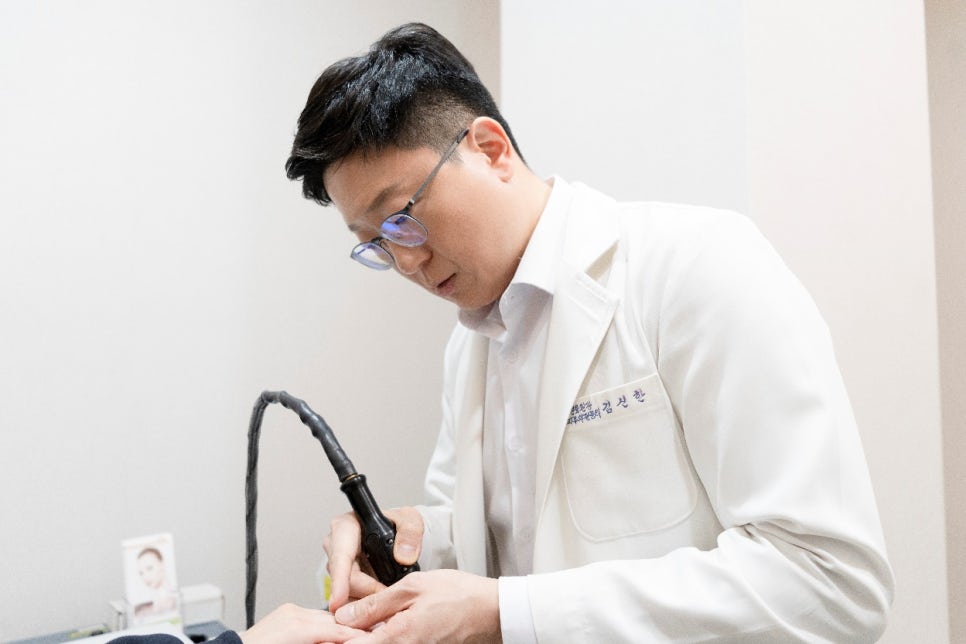
Vitiligo has the characteristic that the severity of symptoms and the speed of progression differ from person to person.
Also, depending on the pattern of symptoms, different treatment methods may be applied.
Because of this, if treatment is handled in a one-size-fits-all way, it may be difficult to expect the level of improvement patients hoped for.
Therefore, it is important to establish a one-on-one treatment plan that fits the patient's symptoms through a thorough skin examination.
Also, above all, the most important thing in vitiligo treatment is not to give up.
Because the expected effects of vitiligo tend to appear relatively slowly, I hope you will continue treatment with patience.
I hope today's information from a dermatologist specializing in vitiligo laser treatment was helpful.
If you still have questions beyond what was covered above, please leave them in the comments below.
I will answer kindly.
Thank you for reading to the end.
| This post was written for informational purposes in compliance with Article 56, Paragraphs 1 to 15 of the Medical Service Act. All treatments carry the risk of side effects and complications depending on the individual. Before treatment, be sure to have a sufficient consultation with a medical professional with extensive experience before making a decision. |