Skin health is not just a cosmetic factor, but an important element that affects quality of life and confidence.
What happens, then, when a problem arises with the skin?
Vitiligo is a type of chronic skin condition, and it can have a major impact not only on visible changes, but also on psychological well-being.
In severe cases, it can lower confidence and have a major effect on social relationships.
Also, because vitiligo often worsens over time, if treatment is delayed, the affected area may become wider.
That is why early treatment is important: it can help prevent symptoms from worsening and reduce the psychological burden as well.
Those who clicked on this Skin Vitiligo Laser Clinic post are likely also feeling stressed because of vitiligo symptoms like these.
In the article below, I will explain in an easy-to-understand way why vitiligo occurs and how it should be treated and managed, so please stay focused from here on.
- Causes of vitiligo onset and worsening
- How to prevent vitiligo
- Information about vitiligo excimer laser treatment
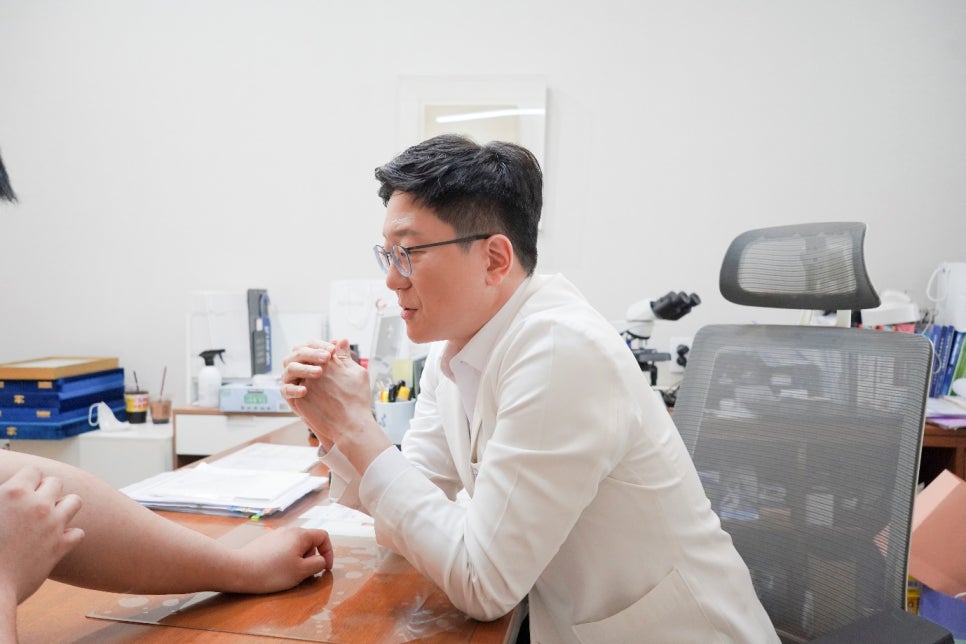
Vitiligo: What causes it to occur and worsen?
If you suddenly look in the mirror one day and notice white spots on a certain area of your skin, you may think, “What is this?”
You might also consider it a mild symptom and leave it alone.
However, if these spots gradually spread and become wider across the body, you may suspect vitiligo, a chronic skin condition.
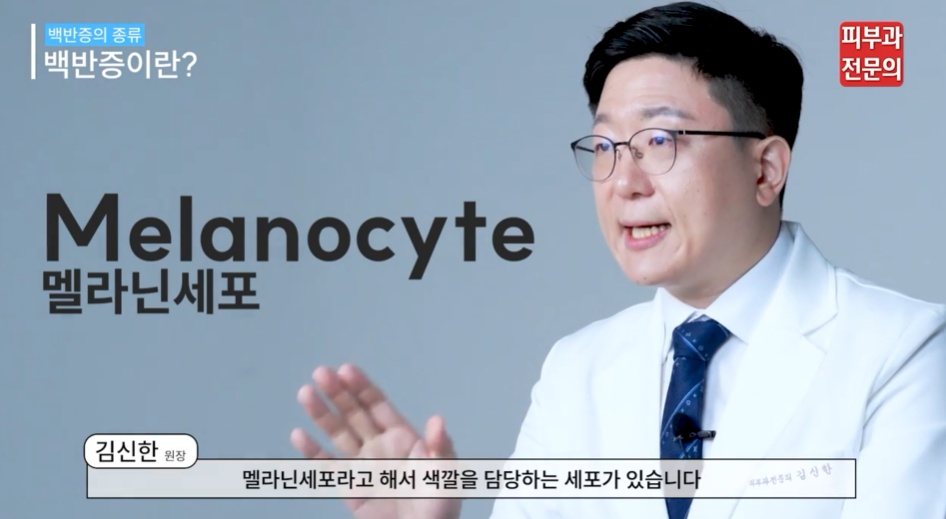
First, our skin has tiny factories called melanocytes that produce skin pigment (melanin).
Thanks to these cells, our skin tone remains even, and the skin can be protected from strong ultraviolet rays.
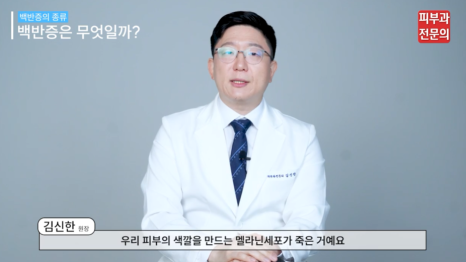
But what happens if this melanin factory suddenly stops?
As a result, various parts of the skin may lose color and turn white.
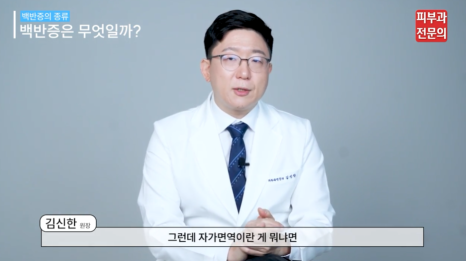
Problems in melanocytes are known to be closely related to the immune system in the body.
More specifically, the immune system plays an important role in blocking bacteria and viruses that invade from outside and removing abnormal cells inside the body.
However, if this immune system suddenly goes into rebellion and attacks healthy melanocytes, pigment is not produced and the skin may turn white.
And if there are family members with vitiligo, this phenomenon may appear even more noticeably.
Vitiligo: Is there any way to prevent it?
As mentioned earlier, vitiligo is a skin condition caused by the loss of melanocytes.
And the reasons this happens vary widely, including external irritation and lifestyle habits.
That is why correcting lifestyle habits that may trigger or worsen vitiligo can be the most appropriate approach.
First, the factor we emphasize most to vitiligo patients is ultraviolet rays.
Melanocytes normally protect the skin, but affected areas in vitiligo have fewer melanocytes, so they may be more vulnerable to ultraviolet exposure.
Therefore, it may be advisable to apply SPF 50+ sunscreen carefully 2 to 3 times a day to help prevent the onset or worsening of vitiligo.
Also, physically blocking strong ultraviolet rays with a hat, parasol, or long-sleeved clothing can be helpful.
We often say that “stress is the root of all illness.”
In fact, stress can trigger autoimmune responses, which may then appear as vitiligo symptoms.
That is why it is good to relieve stress through regular exercise, and it can also help to calm the mind through meditation, yoga, and deep breathing.
Lack of sleep can also be a cause of stress, so please make sure to get 7 to 8 hours of sleep a day.
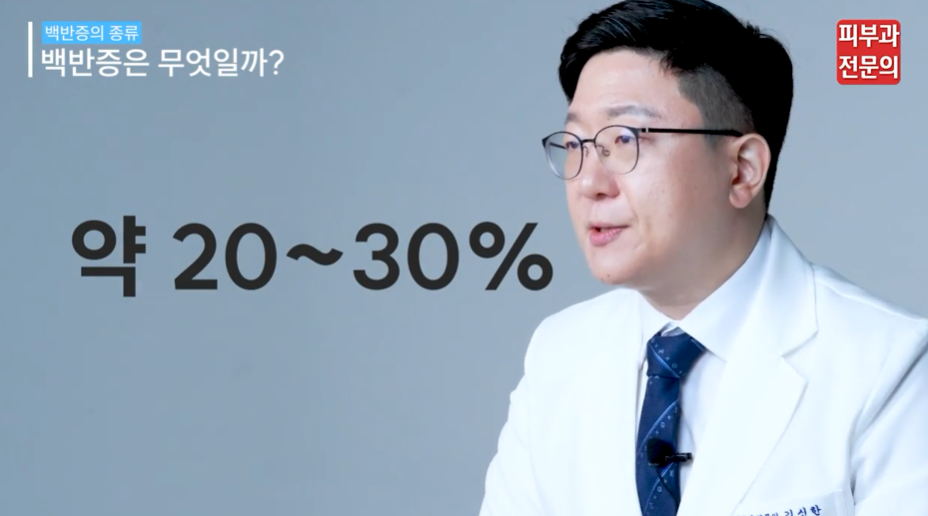
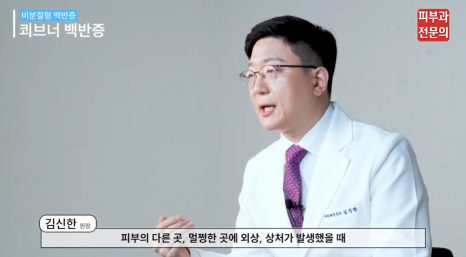
Lastly, some vitiligo patients experience worsening lesions when the skin becomes irritated, which is called the Koebner phenomenon.
That is why it is best to avoid actions that may cause friction on the skin, and please also avoid scratching the skin.

Vitiligo: What should be done for treatment?
Vitiligo has the characteristic that its symptoms may gradually worsen over time.
Therefore, it is advisable to plan active treatment early.
There are several methods used to treat vitiligo, but today I would like to talk about excimer laser treatment, which is performed using a specific type of energy.
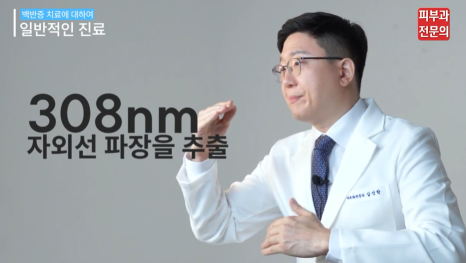
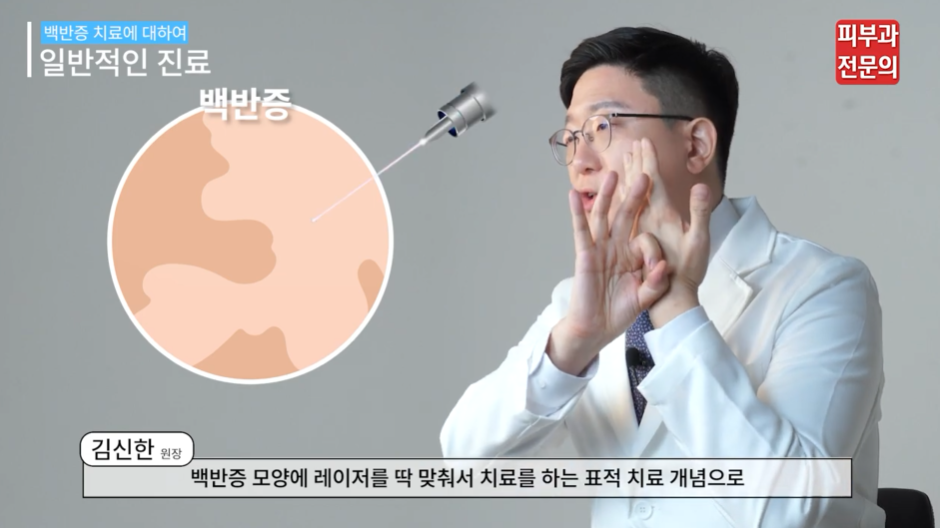
Excimer laser treatment uses a 308nm wavelength and may help activate melanocytes.
In short, you can think of it as a treatment method that wakes up dormant melanocytes so that melanin can once again produce new pigment.
The time required for excimer laser treatment is short, about 5 to 10 minutes, and one of its advantages is that daily life can resume immediately after treatment.
However, if symptoms do not improve with laser treatment alone, it is recommended to combine it with immunosuppressive treatment, so please visit the clinic and receive detailed guidance.
If you would like to know more about immunosuppressive treatment for vitiligo, please check the link below.

The most important things in vitiligo treatment are “early diagnosis” and “consistent treatment.”
If treatment begins as soon as vitiligo symptoms appear, the likelihood of melanocyte recovery increases, and it may help slow the progression of symptoms.
However, vitiligo treatment can vary slightly depending on the patient’s condition, so after a thorough skin examination, it is best to receive treatment in a way that suits you.
If any of you reading this Skin Vitiligo Laser Clinic post are struggling with vitiligo symptoms, I hope you continue treatment with a positive mindset.
Thank you for reading the Skin Vitiligo Laser Clinic column to the end.^^
| This post was written for informational purposes in compliance with Article 56, Paragraph 1 through 15 of the Medical Service Act. All treatments carry a risk of side effects and complications depending on the individual. Before treatment, be sure to have a thorough consultation with experienced medical staff before making a decision. |