Today, I’d like to talk about teenage acne, something many of us have experienced at least once, or something that still makes us sigh every time we look in the mirror.
Think of your skin as a clean blank sheet of paper.
At first, this sheet is white and smooth, but what if, one day, red blotches start appearing one by one, as if black ink were spreading all over it?
Acne is like those blotches on a pure white sheet of paper.
And it also tends to occur frequently during the teenage years.
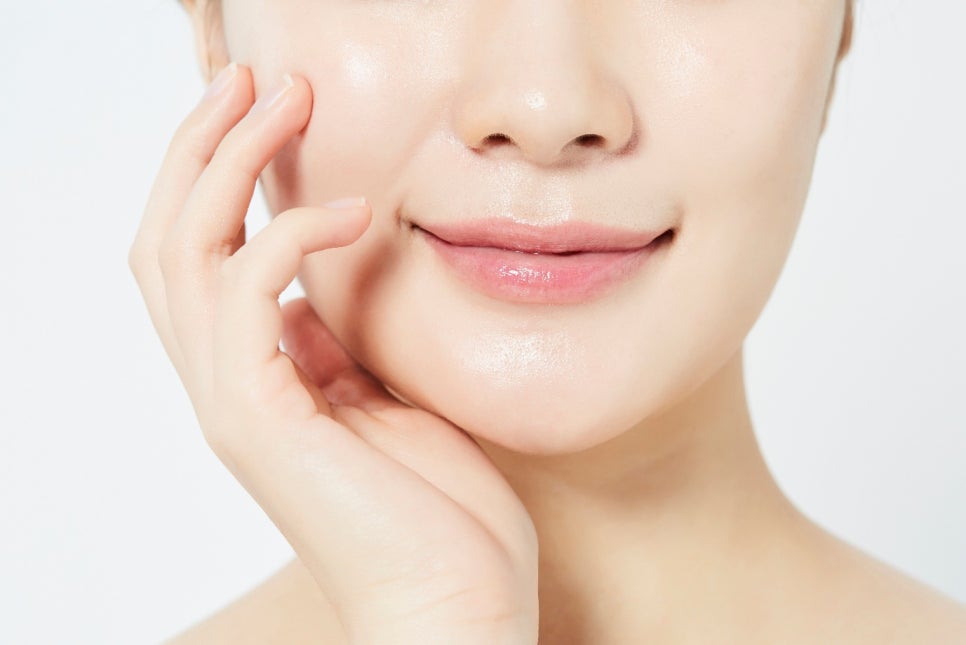
The reason acne is especially likely to develop during adolescence is simple.
Adolescence is the period when our bodies grow from childhood into adulthood.
During this process, hormones increase rapidly, and the hormones produced in excess at this time can stimulate the sebaceous glands.
In simple terms, the skin’s oil factories start working at full blast, producing too much sebum, and that sebum blocks the pores.
As a result, bacteria multiply inside the pores and inflammation develops, causing red, painful acne to break out across the face.
For those of you reading this now, I imagine you may be deeply concerned about teenage acne affecting yourself or your children.
With that in mind, today’s article will cover a variety of information related to teenage acne.
I hope this post from a Seoul teen acne dermatology clinic can be of help to those of you struggling with teenage acne.
- Why teenage acne should not be left untreated
- How to treat teenage acne with ointments
- What to remember to help prevent teenage acne from recurring
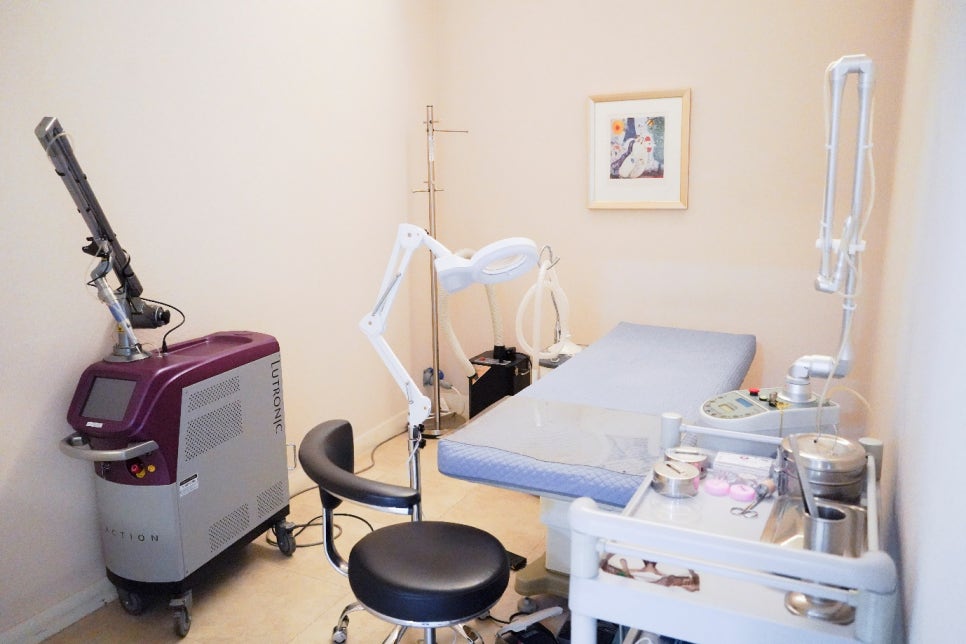
Will teenage acne go away on its own if you just leave it alone?
Have you ever heard something like this?
"Acne naturally goes away as you grow up!"
"It’ll all disappear after puberty. Don’t mess with it and just leave it alone!"
This is half right and half wrong.
Of course, some acne improves naturally over time, but in some cases it leaves deep marks on the skin and continues until adulthood.
Acne is not simply something that appears on the surface of the skin.
Because the symptoms are visible on the outside, it can have a major impact on appearance.
It can also create a great deal of discomfort when speaking face to face with someone at close range.
In addition, if you use heavy makeup to cover acne, the thick layer of cosmetics can block the pores and ultimately make the acne worse.
Leaving acne alone while assuming it will improve on its own is like leaving wet clothes out without drying them on a rainy day.
If you leave wet clothes sitting in a corner without drying them, mold will start to grow on them.
Teenage acne can also become a bigger problem if it is not managed in time, so please visit a clinic early and plan active treatment.
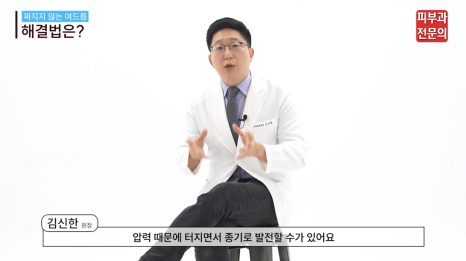
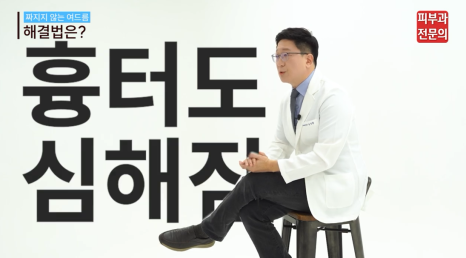
Acne ointment treatment for teenagers: antibiotics & retinoids
If you come across internet advice saying, “Just apply this and your acne will disappear completely!” and start self-treating blindly, your symptoms may worsen rapidly without you realizing it.
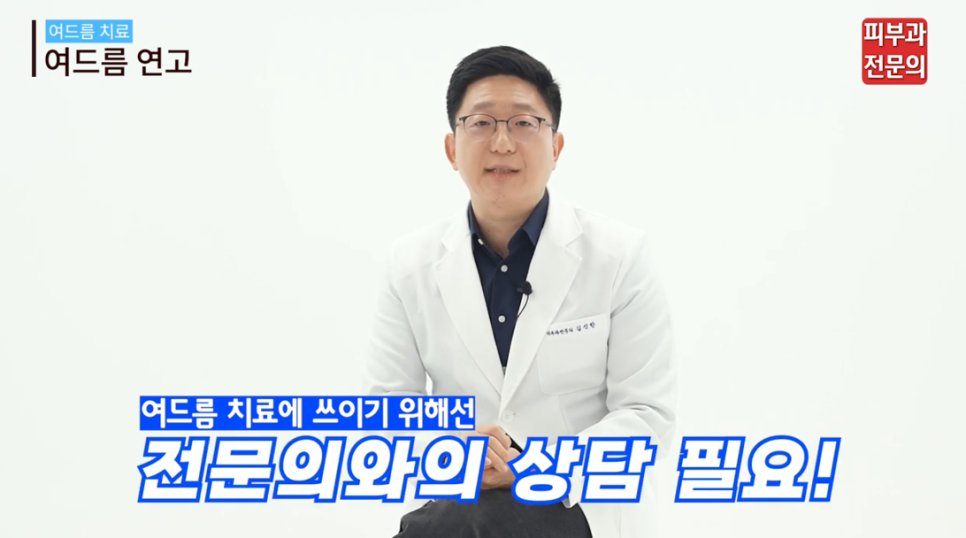
That is why, if you are planning ointment treatment, it is best to visit a clinic and receive a prescription that suits your condition.
First, acne medications are divided into many types depending on their ingredients.
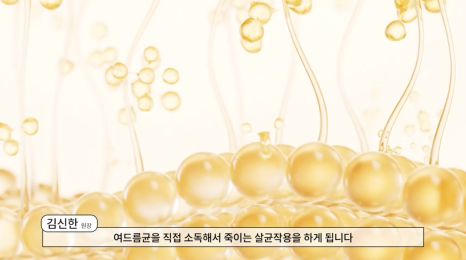
To begin with, antibiotic ointments help suppress acne-causing bacteria, and through this, they can help improve acne accompanied by pain.
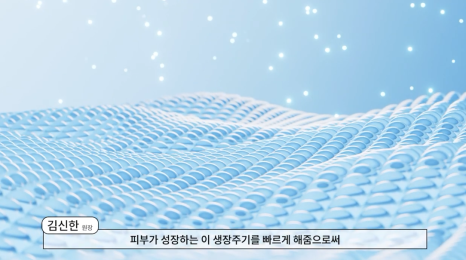
In addition, retinoid ointments can help control comedonal acne by removing dead skin cells and correcting clogged pores.
However, with retinoid ointments, there is an adjustment period during the first two weeks of use, and during this time, thicker dead skin may appear than before treatment, or you may feel strong irritation.
Therefore, it is advisable to discuss this thoroughly with medical staff before receiving treatment.
Acne is not over just because you’ve gotten it under control once.
Acne is a skin condition with the risk of recurrence, so it can flare up again at any time.
In particular, if the skin becomes a favorable environment for acne-causing bacteria to live in, acne can return before you know it.
That is why it may be best to maintain a healthy skin condition through consistent care.
First, oily skin is the perfect environment for acne-causing bacteria to live in.
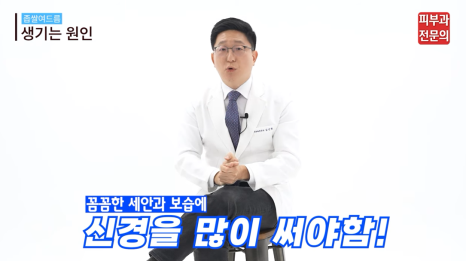
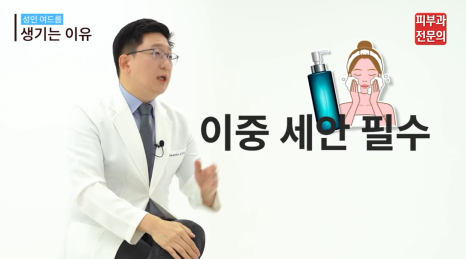
For that reason, it is a good idea to cleanse thoroughly once or twice a day.
However, washing too much can dry out the skin, which may in turn increase sebum production.
So it is best to cleanse with moderate strength, and using a mildly acidic cleanser formulated for acne can be helpful.
Also, after washing, you should apply enough moisturizing cream to balance the skin’s oil and moisture levels.
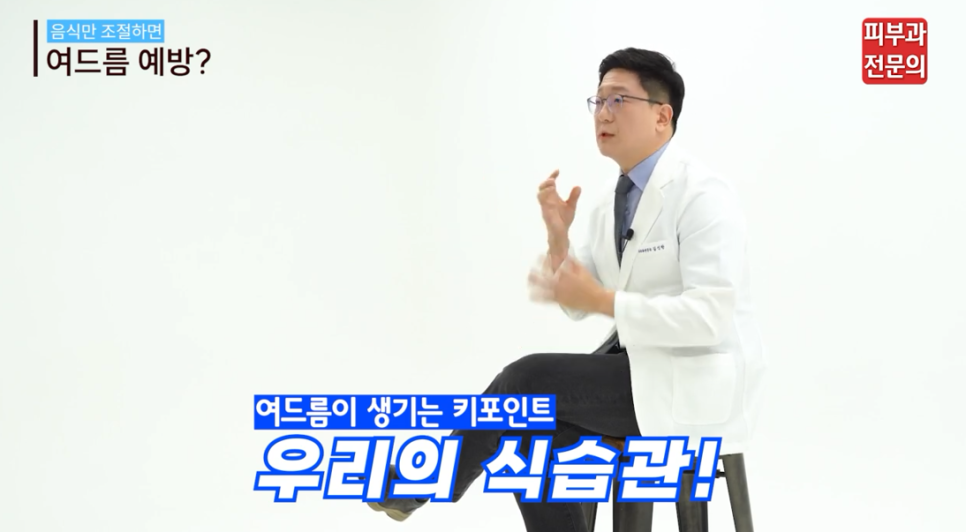
Since the foods we eat can also directly affect the skin, it is advisable to avoid chocolate, flour-based foods, fast food, greasy foods, and the like as much as possible.
In addition, dairy products such as milk and cheese can disrupt hormonal balance and may trigger acne recurrence, so please also refrain from consuming dairy products.
The fight against teenage acne is not a short-term battle, but a long-term one.
And to treat it, you need not only to eliminate the surface breakouts, but also to regulate the skin’s internal environment and prevent symptoms from recurring.
Also, rather than expecting short-term results, it will be helpful to develop habits that keep the skin healthy.
Please do not forget that the small habits we practice every day come together to determine skin health.^^
If you have any questions other than the information shared today by the Seoul teen acne dermatology clinic, please ask in the comments below.
We will kindly answer.
Thank you for reading the Seoul teen acne dermatology clinic post to the end.
| This post was written for informational purposes in compliance with Article 56, Paragraphs 1 to 15 of the Medical Service Act. All treatments carry the risk of side effects and complications depending on the individual. Before treatment, be sure to have a thorough consultation with medical staff with extensive experience before making a decision. |