If you clicked on this article, you may be dealing with skin that keeps flaking white and thick scales that continue to build up, causing stress.
Our skin is an organ that continuously regenerates 24 hours a day, 365 days a year.
And the stratum corneum, the outermost layer of the epidermis, naturally sheds over time and is replaced by new skin layers.
However, if your skin becomes rougher than usual and you feel a white, lifting sensation, there is a high possibility that something has gone wrong with the cycle of keratin production.
In particular, if you have been managing it consistently and enough time has passed, but the condition does not improve and instead seems to worsen, you may want to suspect a chronic skin disease called psoriasis.
Psoriasis is a skin condition that causes red rashes and thick scales, and one of its defining features is that the symptoms are visible to the naked eye.
As a result, if symptoms appear in highly exposed areas, they can become a source of appearance-related insecurity and cause severe psychological stress.
So if you are feeling stressed by thick scales that do not improve no matter how much you care for them, it is a good idea to visit a clinic and receive appropriate help.
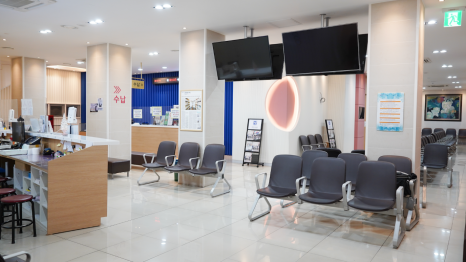
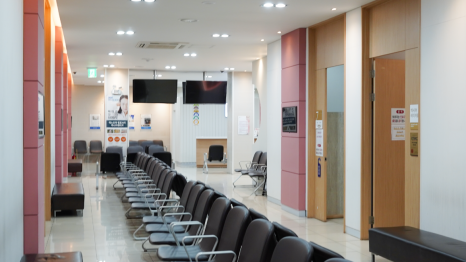
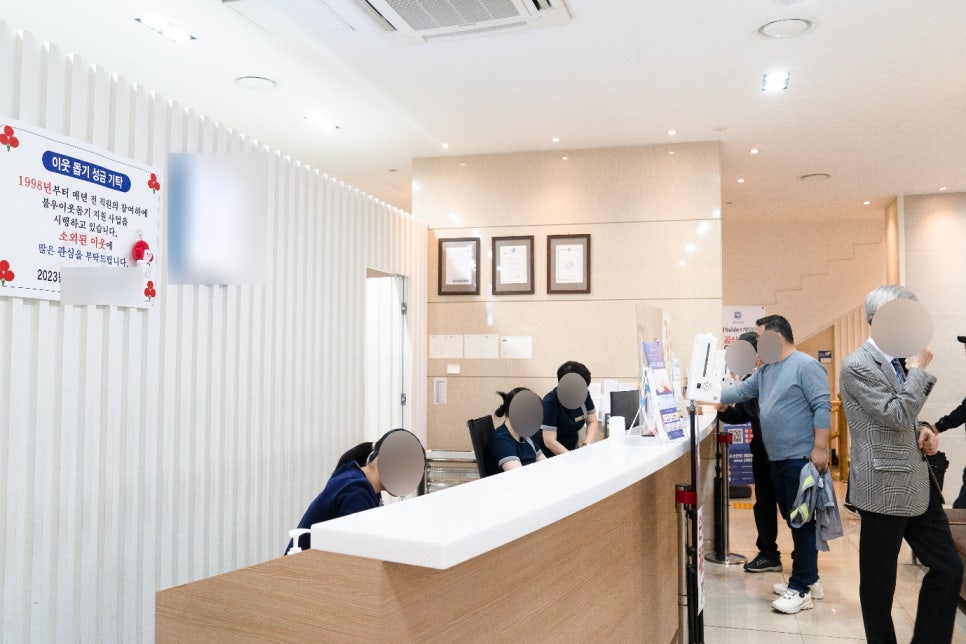
Today, Yeongdeungpo Times Square Dermatology Clinic would like to share information that may be helpful for those who are stressed by psoriasis symptoms, so please pay close attention from here on.
-
Suspected symptoms by psoriasis type
-
What happens if psoriasis is left untreated, and how to prevent worsening
-
Psoriasis light therapy methods and precautions
If you suspect psoriasis,
be sure to check for these symptoms!
Psoriasis is a skin condition that causes thick scales and red rashes.
However, there are many different skin conditions that can show these symptoms, so it is necessary to know in detail what features psoriasis has.
First, psoriasis is divided into several types depending on the form of the symptoms.
Plaque psoriasis, first of all, shows lesions in the form of plaques, and tends to occur mainly in areas with frequent friction such as the elbows, knees, and scalp.
On the other hand, guttate psoriasis can appear as small, drop-shaped red spots all over the body, and it often develops suddenly after infections such as colds or sore throats.
Compared with plaque psoriasis, the spots are smaller and can feel like the lesions are spread broadly.
In addition, pustular psoriasis is characterized by blisters filled with pus on the skin, and it can appear concentrated on the palms and soles.
Pustular psoriasis is more painful than plaque psoriasis or guttate psoriasis and is characterized by a stronger inflammatory response.
Finally, erythrodermic psoriasis, which I will explain last, is one of the more severe forms of psoriasis, and the entire body can become red with severe shedding of scales.
In addition, symptoms such as chills and fever may occur, so you should visit a clinic as soon as possible and receive appropriate treatment.

What happens if psoriasis is left untreated
How to prevent it from occurring and worsening
If you take psoriasis lightly and leave it untreated, a small spark can gradually grow into a wildfire.
Of course, early psoriasis starts as small red spots, but over time they can gradually become larger and the lesions can spread to surrounding areas.
In addition, it can affect not only the skin but also the joints, and may cause psoriatic arthritis.
In short, you can understand that it can have a serious negative impact on the entire body.
First of all, psoriasis is a type of autoimmune disease that occurs when the body's immune system attacks normal skin cells.
As a result, skin cells regenerate 5 to 6 times faster, forming thick scales in various areas of the skin.
Therefore, it may be advisable to maintain a healthy immune system through regular exercise, 충분한 rest, and sleep.
Also, dry environments are one of the biggest factors that worsen psoriasis, so it is good to apply a sufficient amount of moisturizing cream at least 2 to 3 times a day.
Lastly, alcohol and smoking can increase inflammatory responses and disrupt the immune system, so please try to avoid drinking and smoking as much as possible.

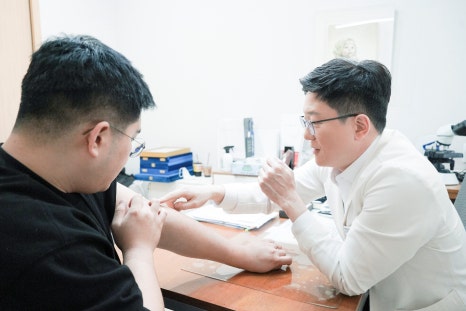

Psoriasis treatment: consistency is the answer.
Treatment methods and expected effects
Psoriasis is not just a simple skin condition, but a chronic disease caused by abnormalities in the immune system.
Therefore, treatment should not only care for the surface of the skin, but also address the underlying cause properly.
Psoriasis treatment is broadly divided into four stages.
First, if psoriasis occurs in localized areas such as the elbows, knees, or scalp, and the symptoms are not severe, improvement can be expected through steroid ointments and vitamin D analog ointments.
However, if the lesions are widespread and the symptoms are severe, ointment treatment alone may make it difficult to expect satisfactory improvement.
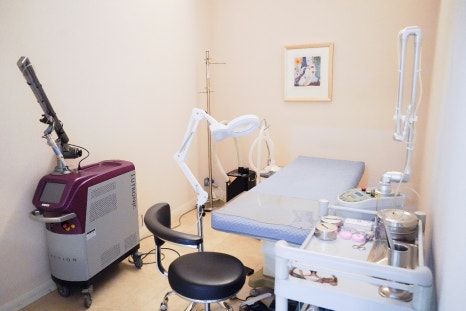
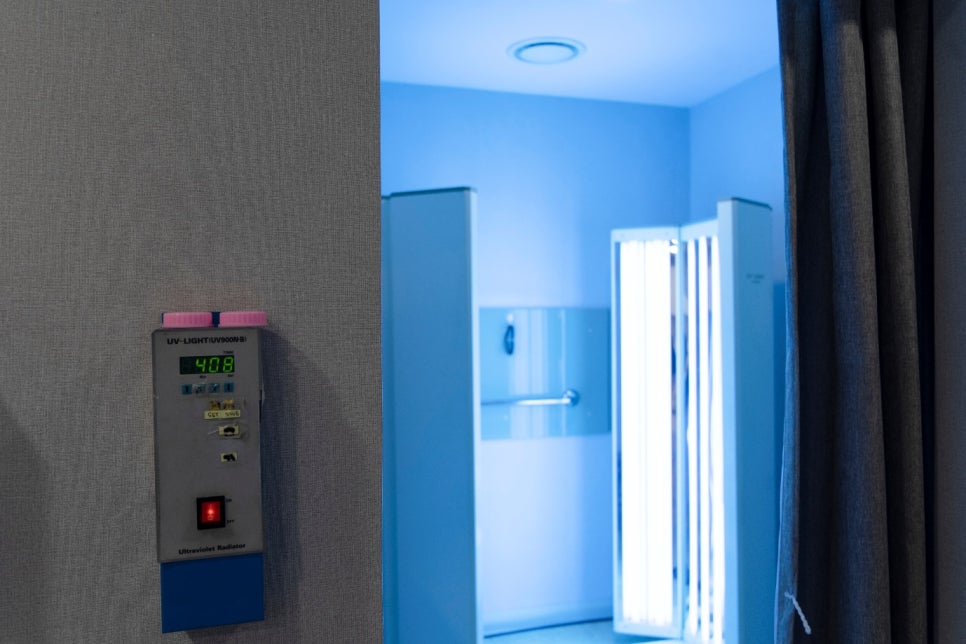
In that case, more active treatment is needed. The light therapy explained today is a treatment method for skin diseases that uses a wavelength of 311 nm.
This treatment is carried out by applying mineral oil, petroleum jelly, and similar substances to the affected area, then exposing it to ultraviolet light of a specific wavelength.
In this way, the skin's immune response and inflammatory response are regulated, and improvement in psoriasis symptoms can be expected.
It also has a very attractive advantage in treating lesions that are widely spread across the body.
However, because light therapy is a treatment method that requires consistency to produce satisfactory results, it may be advisable to keep this in mind when planning treatment.
And if an excessive amount of light is applied, the skin may instead receive significant irritation, so it is important to follow the treatment schedule and number of sessions instructed by the medical staff.
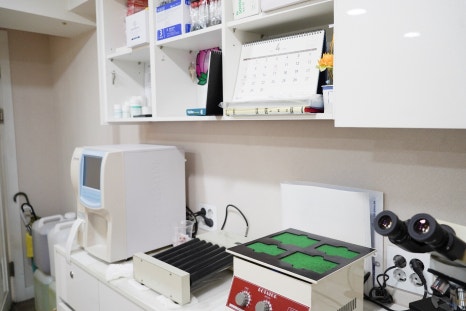
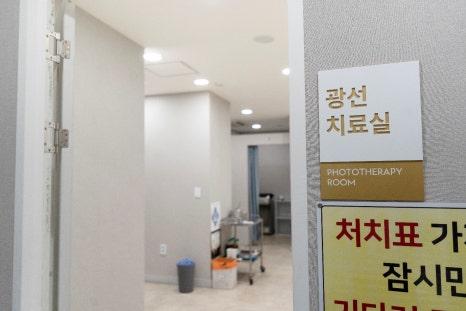
Psoriasis is not a condition that ends just because it has been treated once.
Its purpose should be to control symptoms and reduce the likelihood of recurrence through consistent care and treatment.
Please remember that psoriasis is not a condition that improves in just a few days like a cold, and that it is important to receive treatment steadily with patience.
I hope that patients with psoriasis who are reading the posts from Yeongdeungpo Times Square Dermatology Clinic will love themselves more and continue striving for a healthy life.
If you have any questions beyond the content above, please ask in the comments below.
We will kindly answer them.
Thank you for reading Yeongdeungpo Times Square Dermatology Clinic’s post to the end.
| This post was written for informational purposes in compliance with Article 56, Paragraph 1 to Paragraph 15 of the Medical Service Act. All treatments carry a risk of side effects and complications depending on the individual. Before treatment, please be sure to have a thorough consultation with medical professionals with extensive experience before making a decision. |