Atopic dermatitis is probably something you have heard of at least once.
Because it is such a common skin condition, searching for atopic dermatitis online brings up a flood of information.
Diet management, lifestyle improvements, and all kinds of folk remedies...
But how far should you really trust this information?
Of course, there is plenty of useful information on the internet.
However, there is just as much incorrect information.
Atopic dermatitis is not simply dry skin; it is a chronic condition in which itching and inflammation recur repeatedly.
And it can significantly reduce quality of life, while also causing psychological distress.
What is especially difficult is that if you manage it with the wrong methods, symptoms can rapidly worsen and even trigger unexpected secondary problems.
If you rely on misinformation about atopic dermatitis, you may end up making your symptoms worse or missing the right time for treatment.
That is why, rather than depending only on folk remedies, it may be advisable to receive a skin examination from medical professionals.
Today, at the National Assembly Station Dermatology Clinic, we would like to address common misconceptions about atopic dermatitis and explain proper treatment methods in detail.
We hope the following article will be helpful to those suffering from atopic dermatitis symptoms.
- Today’s column will proceed as follows -
- Incorrect folk remedies for atopic dermatitis
- Atopic dermatitis steroid treatment methods
- Side effects of atopic dermatitis steroids


Is there really any effect from folk remedies for atopic dermatitis?
If you are dealing with atopic dermatitis, you have probably heard this at least once.
“Have you tried this method? I got better by doing this!”
There are countless folk remedies circulating on the internet.
Of course, some folk remedies can help skin health.
But among them are many methods that lack evidence or are actually dangerous because they may worsen symptoms.
In particular, there is a common belief that going into seawater can cure atopic dermatitis.
Of course, after swimming in the sea, the skin may feel softer and itching may seem to decrease temporarily.
However, this is only temporary. The salt in seawater can make the skin even drier, and severe itching may follow.
There is also talk that applying vinegar can cure atopic dermatitis, but vinegar is strongly acidic and can irritate the skin further.
In severe cases, the skin may become even more sensitive, increasing the risk of secondary bacterial infection and potentially leading to various complications.



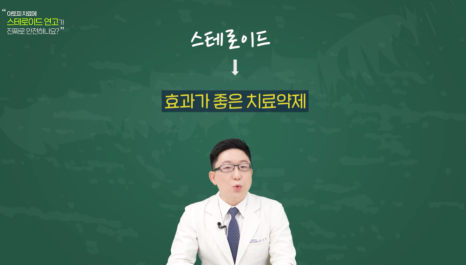
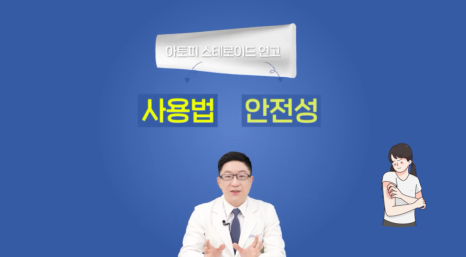
Atopic dermatitis treatment: What is steroid ointment?
Atopic dermatitis is characterized by excessive inflammatory reactions in the skin, accompanied by itching, red rashes, and dryness.
And when you cannot resist the itching and keep scratching the affected area, the skin becomes injured, which can lead to bleeding and oozing.
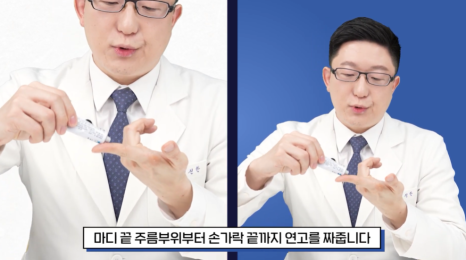
Steroid ointment is a treatment that can help control the inflammatory response, which is the underlying cause of atopic dermatitis.
Also, when steroid ointment with this function is applied to the affected area, the skin can calm down and skin damage can be prevented, allowing the symptoms of atopic dermatitis to gradually improve.
As the itching is reduced as well, the frequency of scratching may decrease.
In addition, because it can be carried out comfortably at home without frequent visits to the hospital, it is not a major burden for modern people who are busy with daily life.

Will atopic dermatitis steroid ointment cause severe side effects?
If you search online for information about steroid ointment, you will find countless stories about side effects.
And after hearing about the side effects, you may think, “It would be better not to receive treatment at all.”
But using steroid ointment does not automatically cause side effects.
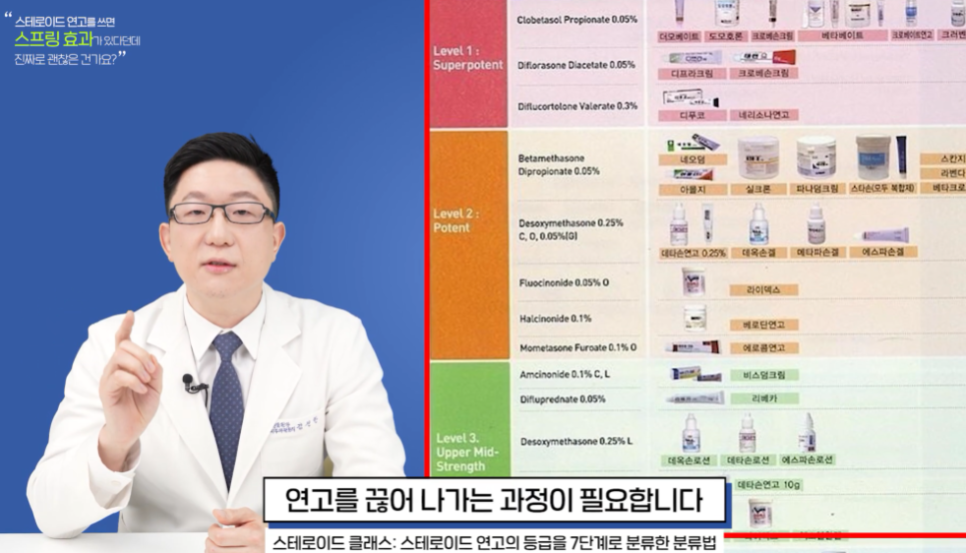
Steroid side effects occur when the ointment has been used for too long or when a too-strong ointment has been used.
In severe cases, the skin may become thinner, blood vessels may expand, and the treated area may change abnormally.
Therefore, to prevent these side effects, it may be advisable to use a medication level that suits your own skin condition.
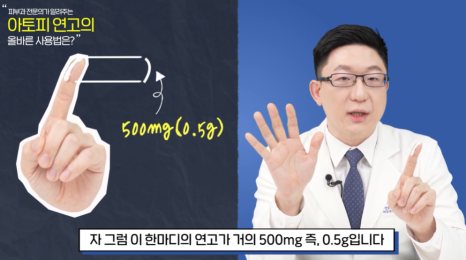
It is also important to follow the usage period and frequency provided by the medical staff when proceeding with treatment.
Lastly, if you suddenly stop using steroid ointment, steroid rebound may occur, causing skin inflammation to become even more severe.
That is why, when reducing use, it may help prevent steroid rebound to taper it down slowly and step by step.
Atopic dermatitis is not a simple skin disease. It is a chronic condition in which itching, inflammation, and dryness repeat, greatly reducing quality of life.
That is why it is not a one-time treatment, but something that requires steady care and treatment.
And rather than relying on unverified folk remedies, I can say that following scientifically proven treatment methods is the most important thing.
Please remember that atopic dermatitis treatment is a process that goes beyond healing the skin and helps improve quality of life.
We hope this column from the National Assembly Station Dermatology Clinic was helpful to atopic dermatitis patients.
If you have any questions beyond the above, please ask in the comment box below.
Thank you for reading the National Assembly Station Dermatology Clinic post to the end. ^^
| This post was written for informational purposes in compliance with Article 56, Paragraphs 1 to 15 of the Medical Service Act. All treatments carry the risk of side effects and complications depending on the individual. Before treatment, please make sure to make a thorough consultation with experienced medical staff before deciding. |