Ultraviolet rays are an essential element for our bodies, helping synthesize vitamin D and strengthening skin immunity.
However, prolonged exposure to ultraviolet rays can increase the risk of skin damage.
In particular, when the skin is exposed to strong sunlight for a long time, pigment can be lost, and white spots may appear on various parts of the skin.
Vitiligo is a representative skin condition that causes these symptoms.
Because of this, many people pay attention to sun protection day and night in order to prevent vitiligo.
However, vitiligo is not a disease caused by a single factor alone; it develops through a complex interplay of many different factors.
Therefore, to prevent vitiligo, it is better not to focus only on sun protection, but to examine several factors in detail.
Today, I’d like to explain the various causes of vitiligo and dermatologic treatment methods in detail.
I’ll organize it in an easy-to-understand way from now on, so please stay focused^^
-
Causes of vitiligo and ways to prevent worsening
-
How vitiligo is diagnosed
-
Vitiligo topical treatment

Vitiligo: what causes it, and how can worsening be prevented?
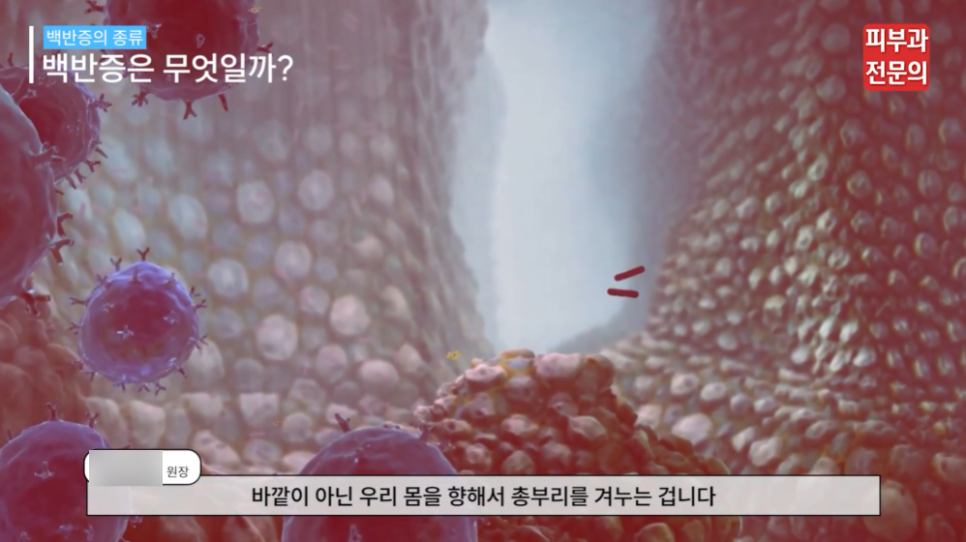
Vitiligo is a chronic skin condition that occurs when melanocytes, which determine skin color, are lost.
It happens when the immune system, which attacks bacteria and viruses that enter from outside, mistakenly identifies normal melanin as a “foreign substance” and attacks it.
Therefore, to help prevent vitiligo, it is advisable to manage stress, maintain regular sleep habits, and keep your immune system healthy.
In particular, eating a balanced diet and combining aerobic exercise with strength training can also be helpful.
Also, if the skin is injured or repeatedly rubbed, melanocytes in certain areas can be damaged.
So, to minimize physical irritation to the skin, it is better to avoid wearing clothes that are too tight and to avoid scratching the skin too hard.
In addition, you should absolutely avoid the habit of scratching the skin, so please keep that in mind.


How can vitiligo be diagnosed?
If one day you look in the mirror and discover white spots on your skin, you may start wondering, “Could this be vitiligo?”
However, there are many skin conditions that show symptoms similar to vitiligo.
In particular, tinea versicolor can cause round or irregular white spots with unclear borders on the back, chest, and neck.
In addition, pityriasis alba, in which the skin becomes dry and flaky and turns white, can also be a cause of white spots.
Because the symptom patterns differ from one condition to another, and different treatments may be applied, it is best to plan treatment after a thorough examination.
A Wood’s lamp examination is mainly used to diagnose vitiligo.
A Wood’s lamp examination is a diagnostic method that uses special ultraviolet light and allows observation of the <specific color of light> that appears differently for each condition.
In the case of vitiligo, the affected area may appear to glow with a blue fluorescent light.
However, not every patient with vitiligo must undergo a Wood’s lamp examination, so it may be best to proceed after consulting with the medical team.



Vitiligo topical treatment: how should it be done?
Depending on the type, vitiligo symptoms may gradually worsen, or they may not worsen at all.
However, even if vitiligo is no longer progressing, that does not mean treatment is unnecessary.
In particular, if white spots appear on areas with a lot of exposure, the external stress may become even more severe, so it is best to plan treatment as soon as possible.
Vitiligo topical treatment can be carried out with steroid ointments and immunomodulators.
Among them, steroid ointments can be very helpful in preventing worsening of vitiligo by suppressing inflammatory reactions in the skin.
And in the case of immunomodulatory ointments, they block immune attacks on melanocytes and help promote pigment recovery, so with repeated treatment, you can expect vitiligo symptoms to gradually improve.
However, as mentioned at the beginning, vitiligo is a disease that occurs due to a lack of melanin, so the skin may react more sensitively to ultraviolet rays.
Therefore, it is a good idea to consistently protect the skin from ultraviolet rays along with ointment treatment.
Also, using ointments excessively can cause small or large amounts of irritation to the skin, so please follow the instructions of the medical team when undergoing treatment.



When you first discover vitiligo, it can feel unsettling.
Every time you look in the mirror, you become more aware of the changed skin, and you may start worrying about whether it will get worse.
However, vitiligo is a skin condition that can be expected to improve through consistent treatment and management.
At that time, your attitude toward vitiligo is the most important thing.
“I won’t get better even if I treat it.”
“Over time, it will only get worse.”
Rather than these negative thoughts,
“I need to keep managing it so I can get better soon!”
A positive mindset is needed.
During treatment, progress may be slow, and the results may not appear as expected.
But if you do not give up and keep managing it, you can still expect enough improvement in symptoms, so please work with the medical team to establish a systematic treatment plan.
I hope today’s post was helpful to you.
Thank you for reading this long post^^