The skin is the first line of defense that protects our body.
And every day, it repeatedly creates countless cells and sheds old ones.
This process is called the desquamation cycle, or skin turnover cycle, and it generally occurs on a 28-day cycle.
Through this process, the skin maintains its natural health.
But what happens if there is a problem with this skin regeneration cycle?
Excess dead skin cells can build up in various areas of the skin, red rashes may appear, and itching and inflammation may occur.
In severe cases, the accumulated dead skin on the skin can become thick, scale-like layers, and the symptoms may worsen to the point of being difficult to look at externally.
Today, at the phototherapy dermatology clinic, I’d like to explain in detail about psoriasis, a skin condition that occurs when there is a problem with the skin turnover cycle.
I’ll organize why psoriasis occurs and what symptoms it shows in an easy-to-understand way, so please focus on reading the following article.
-Today’s column outline-
-
Symptoms by type of psoriasis
-
Causes of psoriasis and how to prevent worsening
-
Precautions for psoriasis phototherapy


What symptoms can psoriasis cause?
When people hear psoriasis, many think,
'Isn’t it just a skin condition where a lot of dead skin builds up on the skin?'
However, psoriasis presents different symptoms depending on the type.
First, plaque psoriasis is the most common type, and it is characterized by plaque-like lesions that appear on areas with a lot of friction, such as the elbows, knees, scalp, lower back, and buttocks.
As the name suggests, guttate psoriasis shows round lesions shaped like water droplets appearing all over the skin.
It often occurs in younger people in their teens to 30s, and in some cases it appears suddenly after tonsillitis, a cold, or pharyngitis.
Pustular psoriasis is characterized by red inflammation on the skin, with small pus-filled blisters, or pustules, forming on top of it, and it commonly appears on the palms and soles.
Not only can it cause severe inflammatory reactions, but you may also feel warmth in various areas of the skin.
In addition, pustular psoriasis can be accompanied by systemic symptoms, and emergency treatment may be needed in such cases, so please be sure to check this point.



Why does psoriasis develop? A malfunction in the immune system?
Our body has a powerful immune system that blocks viruses and bacteria invading from outside.
However, if this immune system malfunctions and recognizes its own skin cells as enemies and attacks them, skin cells that should be replaced slowly may be produced too quickly.
When this happens, dead skin cells do not shed naturally and remain behind, causing thick buildup in various parts of the skin and red patches to appear.
In severe cases, itching may also occur.
Therefore, to prevent the immune system from overreacting, it is best to maintain sufficient sleep and healthy lifestyle habits.
In particular, it is recommended to get about 7 to 8 hours of sleep a day, and creating relaxing routines such as meditation or yoga may be a good idea.
Also, psoriasis can easily worsen in dry environments.
Therefore, it is best to apply enough moisturizer so that the skin can always stay hydrated.
Psoriasis is also known to be related to genetic factors, so if there is a family member with psoriasis, please pay even more attention to moisturizing care.
Psoriasis: Why is prompt treatment necessary? Phototherapy method
If psoriasis is left untreated with the thought that “it will get better over time,” several problems can arise.
In particular, it can affect the joints and become a cause of psoriatic arthritis.
In severe cases, the risk of being exposed to cardiovascular disease may also increase.
Therefore, do not leave psoriasis symptoms untreated, and it is best to visit a hospital and receive treatment as soon as possible.
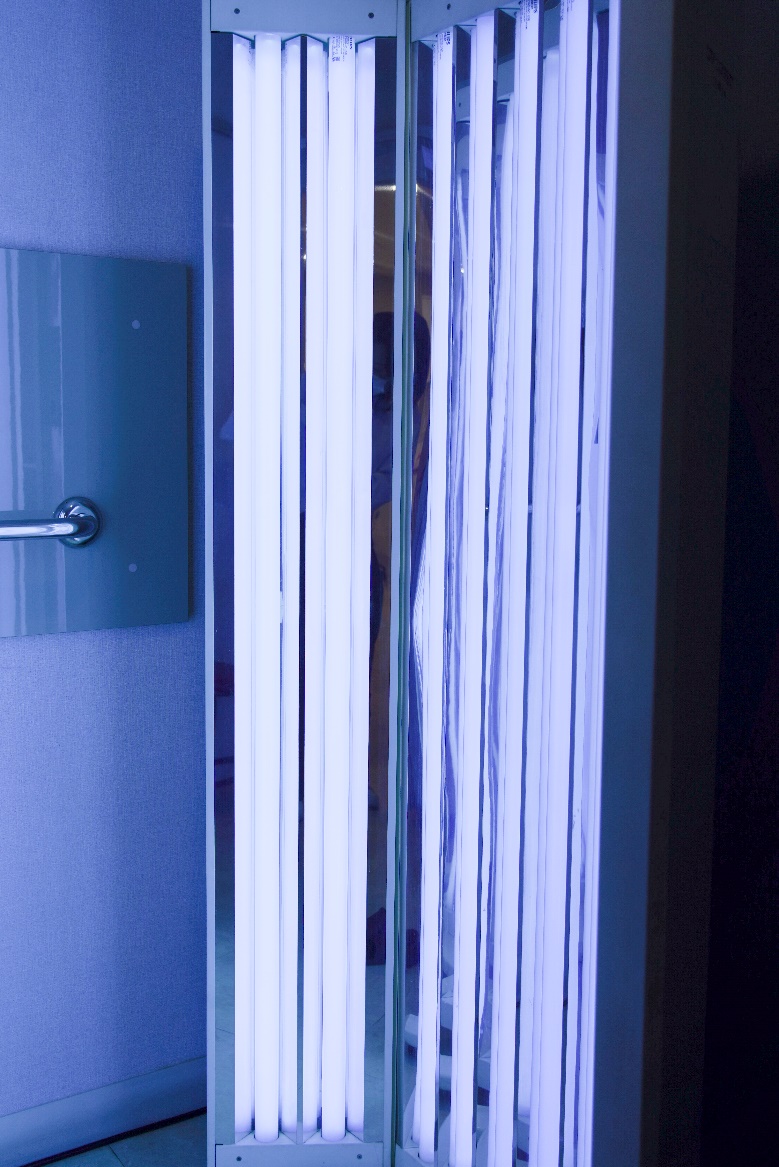
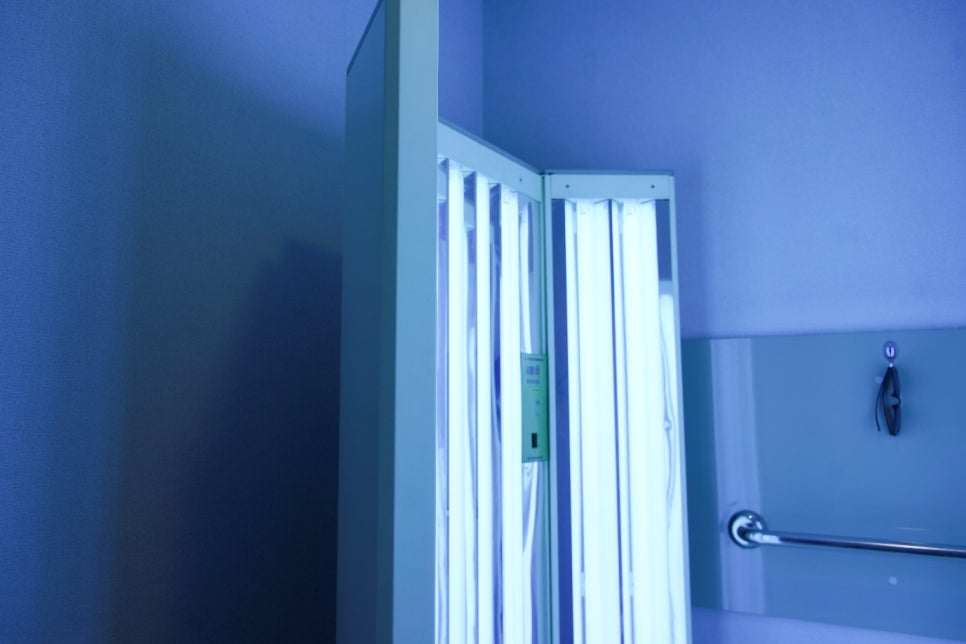
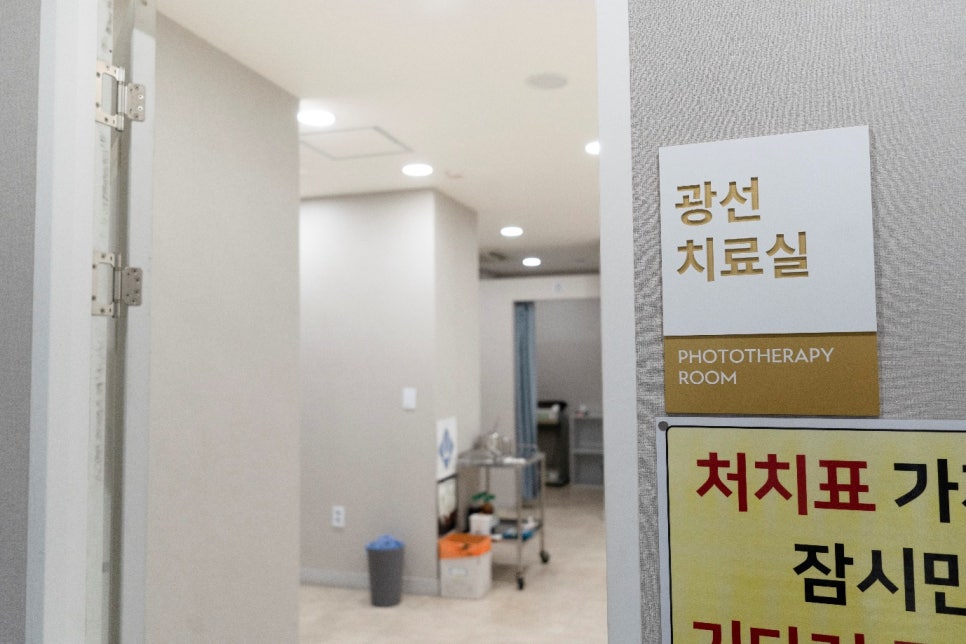
Various methods can be applied when treating psoriasis, but the phototherapy I’ll explain today is characterized by using light of a specific wavelength.
This is carried out using UVB light at a wavelength of 311 nm, and it may help suppress excessive skin cell proliferation.
In addition, by controlling excessive inflammation and immune responses, you can expect the symptoms of psoriasis to gradually improve.
Also, since it does not contain steroid medication, even those who are concerned about steroids can receive treatment with peace of mind.
It may also be useful for treating a wide area at once.
However, because it is a treatment method that uses ultraviolet light, if it is overused, the skin can suffer small or large injuries, and in severe cases, a sunburn may occur.
Therefore, under the diagnosis of medical staff, it may be most important to gradually adjust the intensity of treatment.
 Previous image
Next image
Previous image
Next image
Many people ask, “If I get treatment once, will psoriasis symptoms noticeably improve?”
But because psoriasis is a chronic condition, long-term management is key.
Think of it as a condition that needs ongoing control, much like high blood pressure or diabetes.
At first, the expected effects may seem minimal, but with consistent treatment, you can expect not only symptom relief but also an improvement in quality of life.
So if there are psoriasis patients among those reading this post from the phototherapy dermatology clinic, please keep today’s information in mind and be sure to actively plan treatment.
Thank you for reading the phototherapy dermatology clinic’s column to the end.
| This post was written for informational purposes in compliance with Article 56, Paragraphs 1 to 15 of the Medical Service Act. All treatments carry a risk of side effects and complications depending on the individual. Before treatment, please be sure to have a thorough consultation with medical staff with extensive experience before making a decision. |