Atopic dermatitis is widely known as a skin condition that occurs in young children.
However, atopic dermatitis is not a condition that appears only in children.
Atopic dermatitis is a chronic skin condition that can occur in anyone, regardless of age.
In particular, these days, more and more adults are reporting suffering from itching and red rashes caused by atopic dermatitis.
In adults, atopic dermatitis is characterized by intense itching, and when symptoms appear in areas that are often exposed, it can lead to severe appearance-related insecurity.
It can even become a burden because of other people’s attention, which may significantly interfere with social life.
In severe cases, it can also lead to psychological conditions such as depression and anxiety.
In short, it is not just a simple skin problem, but a disease that can have a major impact on overall quality of life.
Those of you reading this post from the adult atopic dermatitis treatment hospital are likely also feeling stressed by severe adult atopic dermatitis symptoms.
Today, I’ll explain in detail the causes of adult atopic dermatitis and treatment methods, so please read the rest of the article carefully.
- Can untreated childhood atopic dermatitis lead to adult atopic dermatitis?
- How to manage adult atopic dermatitis
- Information on adult atopic dermatitis treatment

Can untreated childhood atopic dermatitis become adult atopic dermatitis?
Some childhood atopic dermatitis gradually improves over time.
However, that is not the case for all children.
In particular, childhood atopic dermatitis that is not properly managed is highly likely to continue into adulthood.
And even if someone did not have atopic dermatitis as a child, it is common to experience it for the first time as an adult.
In particular, if you take frequent showers, cleanse too often, or overdo skincare, it can lead to atopic dermatitis caused by damage to the skin barrier.
In addition, one of the representative causes of adult atopic dermatitis is stress. The more stress builds up, the more the body’s immune system may overreact, worsening skin inflammation.
On top of that, fine dust and air pollution, which are becoming more severe in modern society, can also have a very negative effect on skin health.
Lastly, excessive drinking and smoking can also have a serious impact on skin health, and fast food, processed foods, and instant foods are also being cited as causes of adult atopic dermatitis.
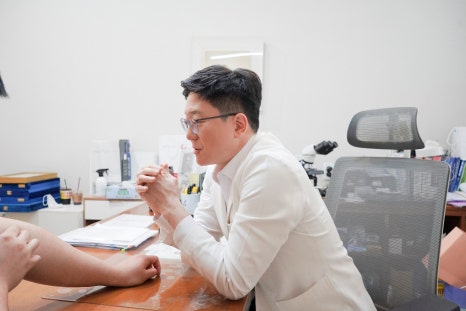

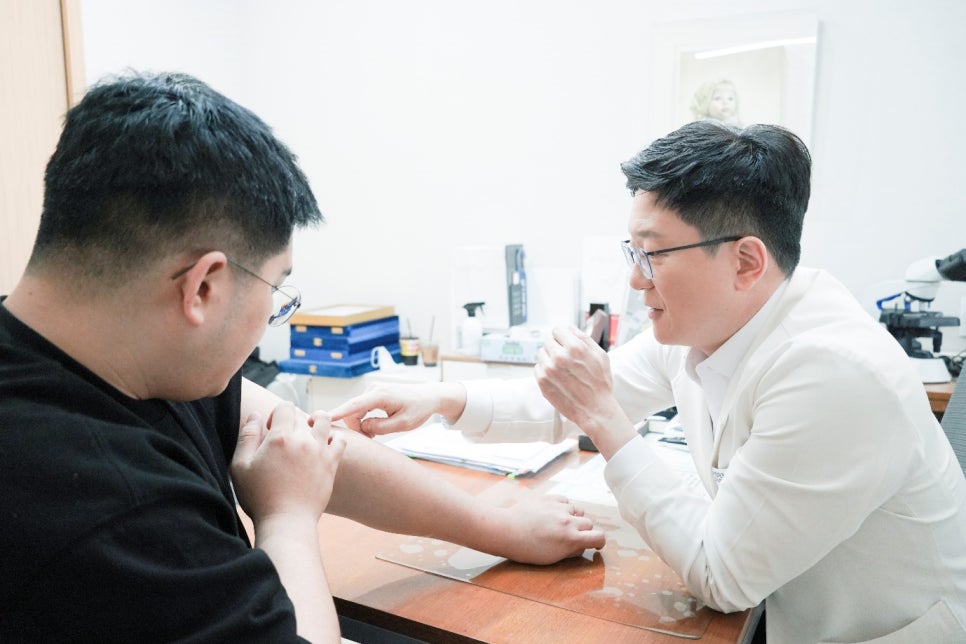
Adult atopic dermatitis: what happens if you scratch it?
The skin protects our body from external irritation.
However, when atopic dermatitis occurs, intense itching can appear, and the vicious cycle of itching -> scratching -> worsening inflammation -> worsening itching can continue.
Repeated scratching damages the skin barrier, reducing its moisturizing function and making the skin even drier.
In severe cases, bacteria and viruses can enter through damaged areas of the skin barrier, leading to secondary infection.
Of course, scratching an itchy area may provide a temporary cooling sensation, but in fact it can have the opposite effect by making the nerves more sensitive and intensifying the itching.
However, it is truly difficult to resist scratching an itchy area.
Therefore, rather than simply enduring the itching, it is better to place a cold wet towel or an ice pack on the affected area for about 5 to 10 minutes.
Also, because dry skin causes even more severe itching, it is helpful to always apply enough moisturizer.
And if your nails are long, you may unconsciously scratch your skin, which can damage the affected area and lead to secondary infection, so it is advisable to keep your nails short and minimize scratching.


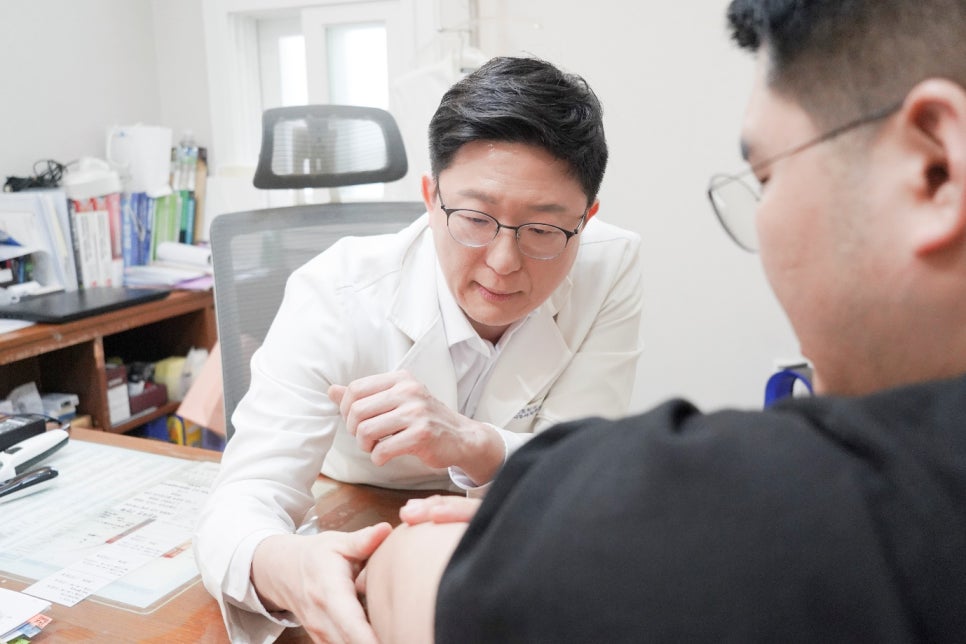
How should adult atopic dermatitis be treated?
The most common treatment for adult atopic dermatitis is to use steroid ointment and immunomodulator ointment.
These two ointments can help control the skin inflammation and immune response that cause atopic dermatitis.
And if the itching is severe, antihistamines can also be used to help control atopic dermatitis symptoms.
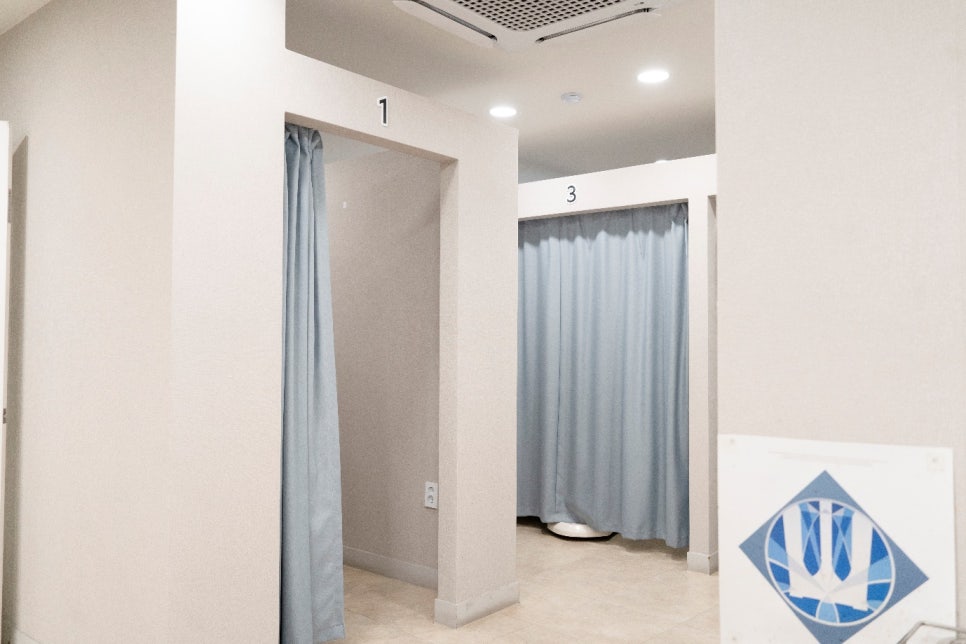
However, if the symptoms cover a wide area, combining ointment treatment with light therapy may be helpful.
Light therapy is carried out by exposing the skin to ultraviolet light of a specific wavelength to suppress the inflammatory response that is the root cause of atopic dermatitis.
Through this, improvement in red rashes and itching caused by atopic dermatitis can be expected.
Also, because no medication is used, people who are concerned about drugs may be able to receive treatment more comfortably.
However, for patients with photosensitivity or cataracts, light therapy may do more harm than good, so please plan treatment after consulting with medical staff.
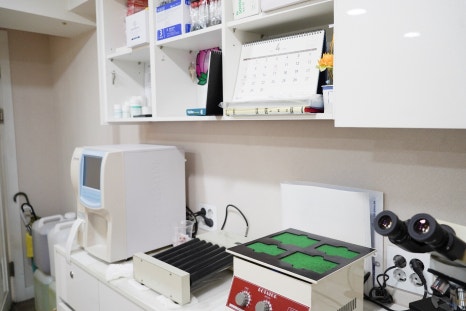
Adult atopic dermatitis is a condition in which our body’s immune system and lifestyle habits are intricately intertwined.
For that reason, treatment may require more than one method rather than just one.
And accepting your skin as it is and managing it consistently may be the most important thing.
Having atopic dermatitis does not mean you need to give up your social life or become discouraged.
So rather than feeling defeated and asking, “Why was I born with skin like this?”, it is much more helpful to think about, “How can I manage it more healthily?”
I hope this column from the adult atopic dermatitis treatment hospital has been helpful for those of you who are feeling stressed by adult atopic dermatitis symptoms.
Thank you for reading the adult atopic dermatitis treatment hospital post to the end.
| This post was written for informational purposes in compliance with Article 56, Paragraph 1 through 15 of the Medical Service Act. All treatments carry the risk of side effects and complications depending on the individual. Before treatment, be sure to have a thorough consultation with experienced medical staff and make your decision afterward. |