Many people think of skin conditions as simply problems that occur on the surface of the skin.
However, in fact, skin conditions are often only the visible symptoms, and their causes frequently begin inside the body.
Among them, the immune system is known to be closely related to many skin conditions.
The immune system is like an army defending a castle; it blocks invading bacteria and viruses from the outside and helps maintain a healthy body.
But what happens if this defense force makes a mistake or becomes confused?
It may mistake the body’s own healthy cells for enemies and attack them.
Vitiligo is a skin condition that begins with this kind of “mistake,” and it is characterized by the appearance of noticeable depigmented patches on various parts of the skin.
In short, it is a chronic condition caused by an imbalance in the body’s internal immune system.
Today, I’d like to take a closer look at the causes of vitiligo and explain treatment methods that can be applied to it.
-
Information on the causes of vitiligo
-
Information on immunosuppressive treatment for vitiligo
-
Information on preventing vitiligo recurrence


Vitiligo: Why does it occur?
If you suddenly notice a white patch on one side of your skin while looking in the mirror, anyone could feel startled.
This happens when the immune system, which should be attacking outside bacteria or viruses, mistakenly attacks healthy melanocytes, leading to a skin condition.
As a result, melanocytes are destroyed, and parts of the skin lose their original color and turn white.
This is also why many people with vitiligo have autoimmune diseases such as thyroid disorders or diabetes.
Vitiligo is also known to be closely related to intense sunlight.
Sunlight plays an important role in producing melanin, but excessive ultraviolet rays can actually damage melanocytes.
In addition, some people with vitiligo develop it on areas of skin after an injury.
This is called the Koebner phenomenon, and it refers to a situation in which, when the skin is injured, the immune system reacts abnormally and damages melanocytes.
Products containing chemical ingredients such as pesticides, hair dye, and some cleansers are also being cited as possible causes of vitiligo.



How is facial vitiligo treated?
As mentioned earlier, vitiligo often occurs due to an excessive immune response.
Therefore, to treat vitiligo symptoms, the immune system’s malfunction must be controlled.
One option to consider here is topical immunosuppressive therapy.
Topical immunosuppressive therapy is carried out by directly applying medication that regulates the immune response to the skin.
Through this, the excessive immune response is suppressed, which can greatly help prevent further loss of melanocytes.
In addition, with continued treatment, you may expect the skin color to gradually return.
Another feature of immunosuppressive ointments is that many of them do not contain steroid ingredients, so the risk of side effects such as skin atrophy and vasodilation is lower.
However, for people whose symptoms have progressed to some extent, combining this with light therapy such as UV treatment or excimer laser treatment may be helpful, so please visit a clinic and receive detailed guidance.
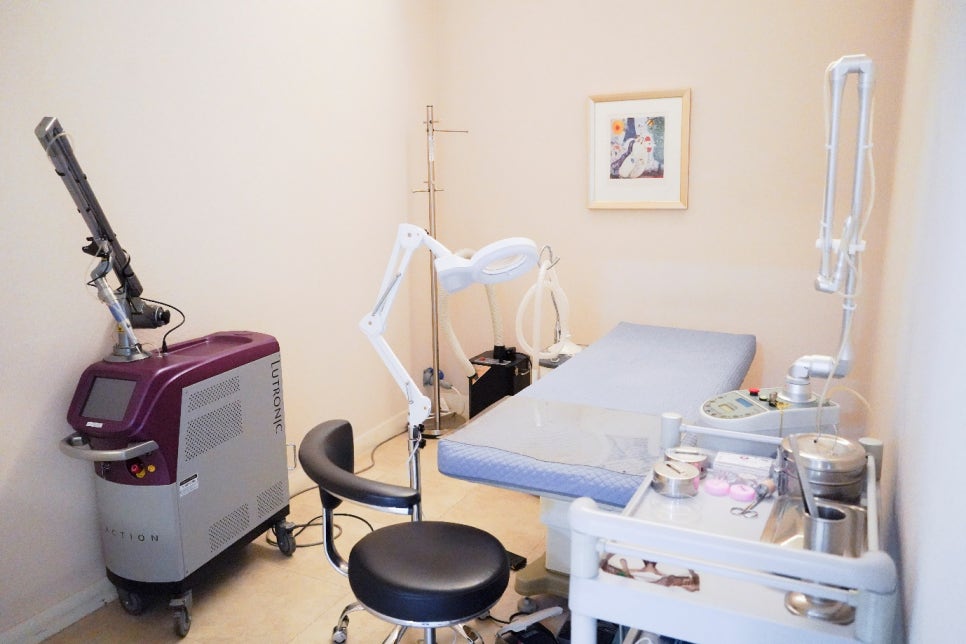


Can it come back even after facial vitiligo treatment?
If you have been receiving facial vitiligo treatment consistently and your symptoms have improved to some extent, but after some time the white patches start to appear again,
“You might wonder,
‘Did I do something wrong with my treatment?’
"
Vitiligo is actually a skin condition with a relatively high recurrence rate.
That is why, after treatment, it is desirable to maintain overall immune balance in the body and help prevent vitiligo from recurring.
In particular, it is good to promote blood circulation and strengthen the immune system through regular exercise, and it is important to maintain immune balance through sufficient sleep.
Also, maintaining a diet rich in vitamin D and antioxidants may help prevent vitiligo from recurring.
In addition, if you scratch or rub the skin vigorously, vitiligo may recur without you realizing it, so it is advisable to minimize irritation to the skin.
And please apply moisturizer carefully to prevent the skin from becoming dry and to maintain the skin barrier.
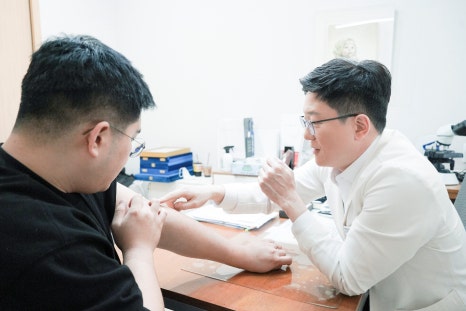

Vitiligo is not a life-threatening disease, but it can be accompanied by psychological stress and social difficulties.
Therefore, please do not take it lightly and plan treatment as soon as possible.
And when treating vitiligo, please approach it not simply as treating the skin, but with the mindset of restoring the body’s overall immune balance.
Please remember that vitiligo is never a problem for the patient alone, and that it is a process that must be carried out steadily together with medical staff.
I hope today’s post has been of even a little help to people with vitiligo.
Thank you for reading to the end.
| This post was written for informational purposes in compliance with Article 56, Paragraphs 1–15 of the Medical Service Act. All treatments carry the risk of side effects and complications depending on the individual. Before treatment, please be sure to consult thoroughly with experienced medical staff before making a decision. |