A smooth, clean complexion affects not only appearance, but also confidence.
For some people, clear skin alone can create a youthful image or give off a healthy, vibrant atmosphere.
In addition, when the skin is clean, makeup goes on better, and it can create a refined look even without much effort.
However, our skin is always exposed to changing environments and various external irritants.
And many factors such as ultraviolet rays, fine dust, stress, poor eating habits, and hormonal changes can cause large and small damage to the skin.
Also, these factors can weaken the skin barrier and cause excess sebum production, which can easily clog pores.
When this happens, acne accompanied by inflammation may develop all over the face.
Acne is a skin problem that almost everyone experiences at least once.
However, if acne is not managed properly at this stage, the inflammation can worsen and the skin can suffer greater damage, leading to dark acne scars.
Those of you reading this article from an acne scar removal dermatology clinic are likely also feeling stressed because of acne scars that cannot even be covered with makeup.
Today, we will explain the causes of acne scars and the treatment methods suited to each type at an acne scar removal dermatology clinic, so please pay close attention from here on.
- Causes of acne scars
- How to treat acne scar pigmentation
- How to treat indented acne scars
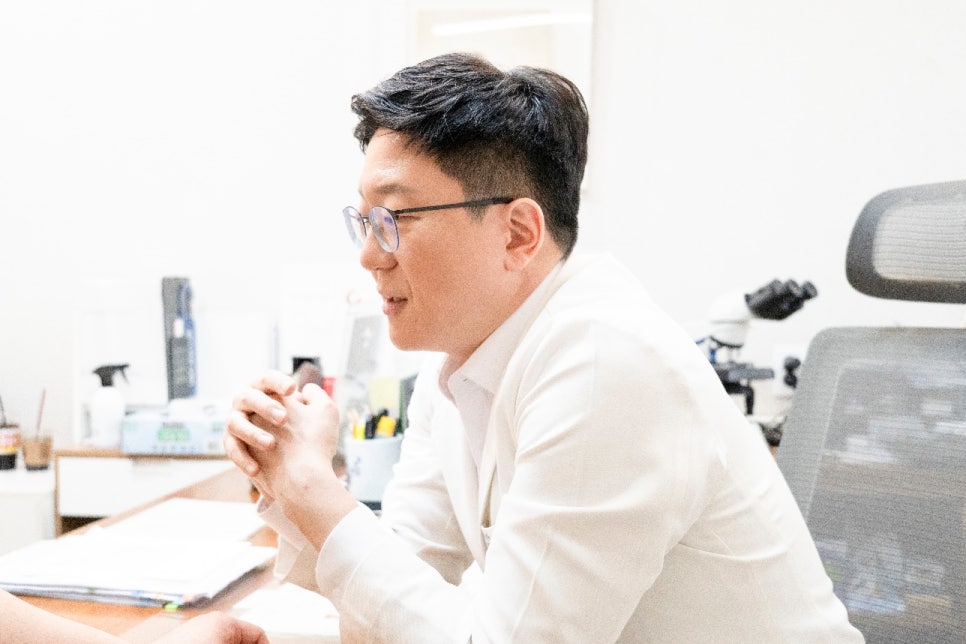
Why do acne scars occur?
One mistake many people make when acne appears is 'squeezing it themselves.'
Of course, when you look in the mirror and see a red, swollen pimple,
'If I pop it now, maybe it will heal faster?'
'If I just remove the pus on the surface, it will be clean!'
you may think.
However, squeezing acne carelessly is a fast way to damage the skin even more.
In particular, if you press acne hard, the inflammation can spread to a wider area, increasing the possibility that the surrounding skin will also be exposed to inflammation.
And if bacteria from your hands enter the skin, acne symptoms can become even worse.
In addition, as the tissue deep in the skin is damaged, the skin may not recover normally, and permanent indented scars or pigmentation may form.
That is why you should not try to squeeze acne yourself; instead, it is best to visit a clinic, analyze the condition of the acne, and then plan treatment accordingly.
We covered acne treatment methods in detail in a recent column, so please refer to the link attached below.
How should acne pigmentation be treated?
When acne develops, an inflammatory response occurs within the skin.
And if the inflammation becomes severe in this process or skin care is not properly performed, dark reddish marks may remain in various areas of the skin.
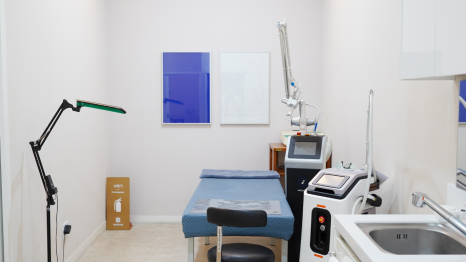
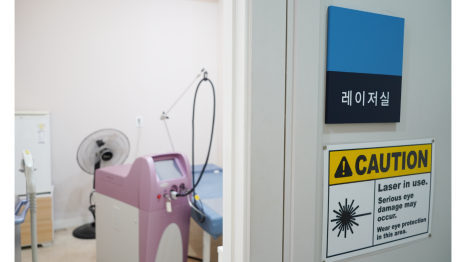
Acne pigmentation can be improved through Pico laser treatment.
This treatment uses a wavelength of 1064nm to selectively remove abnormal melanin in the skin, and through this process, gradual improvement of acne pigmentation can be expected.
And because it does not react at all to the surrounding normal skin tissue, more stable results may also be expected.
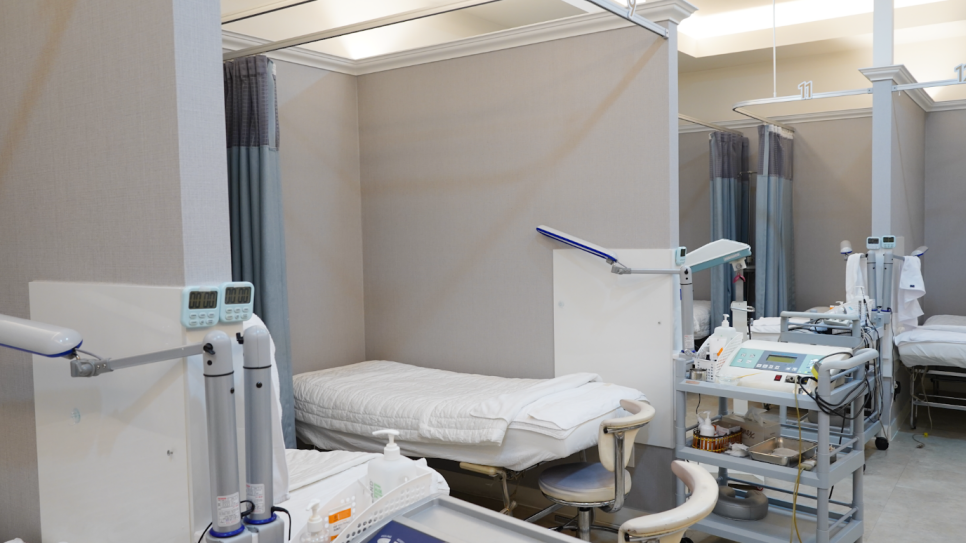
In addition, if blood vessels have grown upward within the skin and formed red scars, Vbeam laser treatment, widely known as a vascular laser, may be considered.
Vbeam laser treatment is performed by removing abnormally grown blood vessels, and because the treatment device is equipped with a cooling system, it can help reduce heat-related damage.
How should indented acne scars be treated?
If acne is squeezed carelessly, extensive damage can occur down to the dermis layer, causing certain areas of the skin to become sunken.
This is called an indented acne scar.
Unlike pigmentation, this is a condition in which the structure deep within the skin itself has collapsed, so even with care, the symptoms may not easily recover.
Therefore, if indented scars have formed, appropriate treatment should be performed to regenerate the skin.
The key to treating indented scars is to refill the sunken skin.
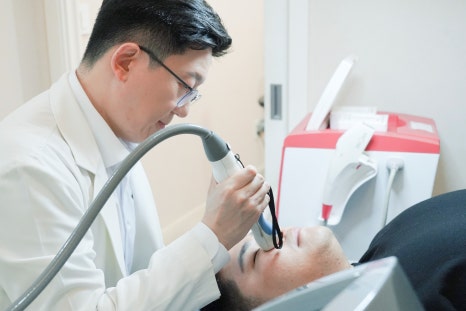
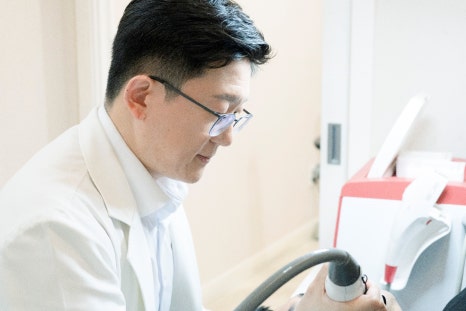
At this point, options to consider include ICON scar laser and Pico laser MLA mode.
These treatments induce collagen regeneration in the localized area, and as a result, they have the characteristic of helping new skin fill in the depressed area.
However, if your symptoms are severe, it may be advisable to combine these treatments with collagen regeneration therapy or subcision, so please visit a clinic and receive detailed guidance.
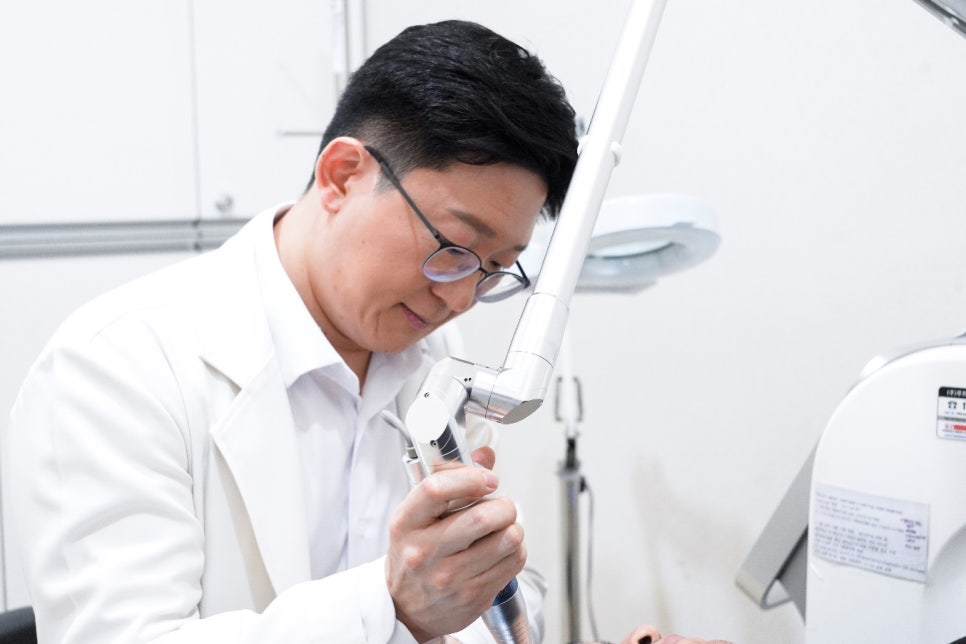
When people hear “acne scars,” many think, “They’ll get better with time.”
However, in most cases, acne scars do not disappear on their own.
Acne scars are not just a cosmetic issue; they are a structural skin problem.
That is why, rather than simply trying to cover the scars, it is better to undergo fundamental treatment and encourage the skin to recover.
However, the most important thing when treating acne scars is patience and consistent care.
So no matter how long treatment takes, do not give up, and please continue treatment according to the medical staff’s instructions.
If you have any questions beyond the information shared today by the acne scar removal dermatology clinic, please ask in the comment box below.
Thank you for reading to the end.
| This post was written for informational purposes in compliance with Article 56, Paragraphs 1 through 15 of the Medical Service Act. All treatments carry the risk of side effects and complications depending on the individual. Before treatment, be sure to have a sufficient consultation with experienced medical staff and make your decision afterward. |